Disaster and Crisis Management Course Studies Discover How Disaster Preparedness Works in Real Life.

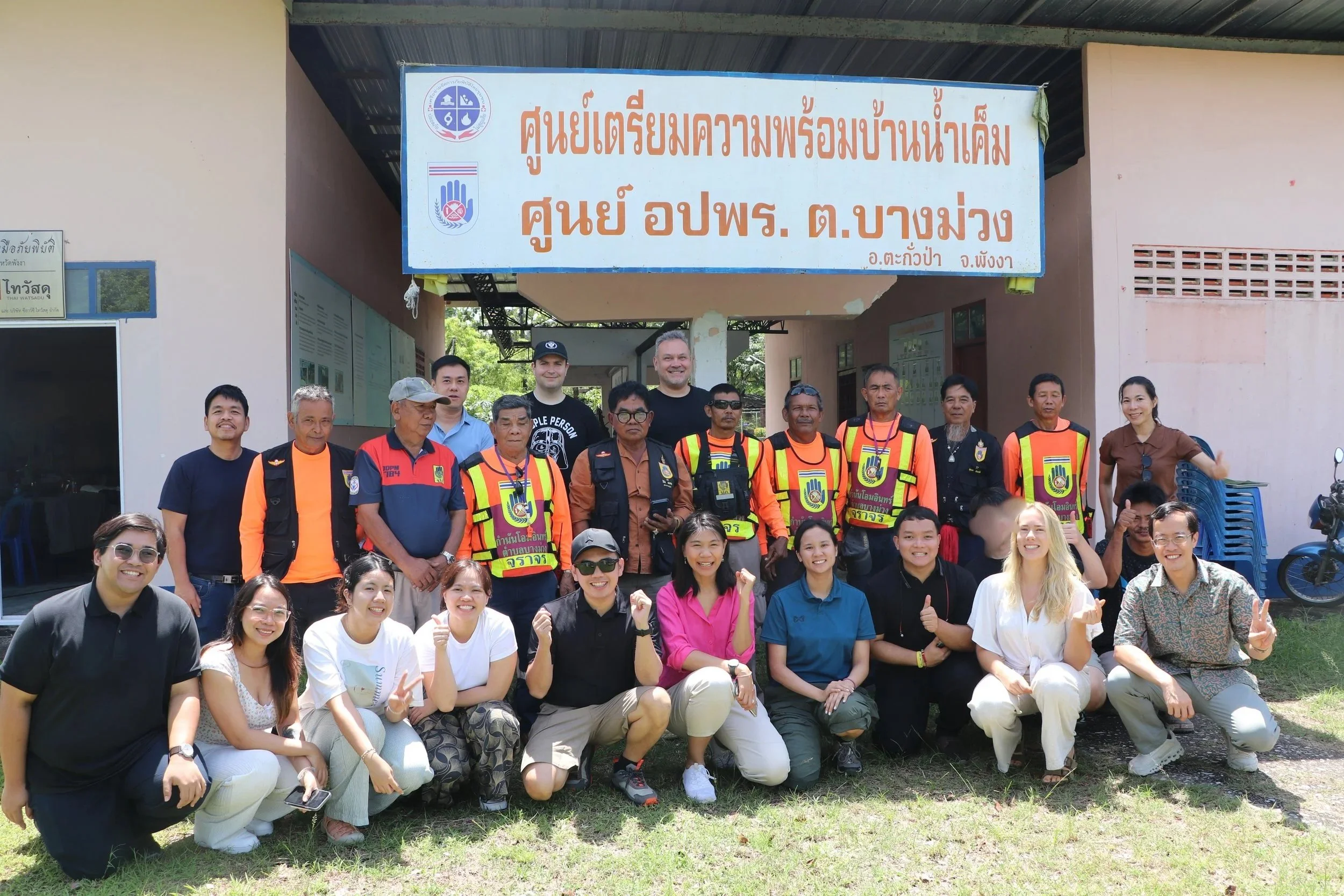
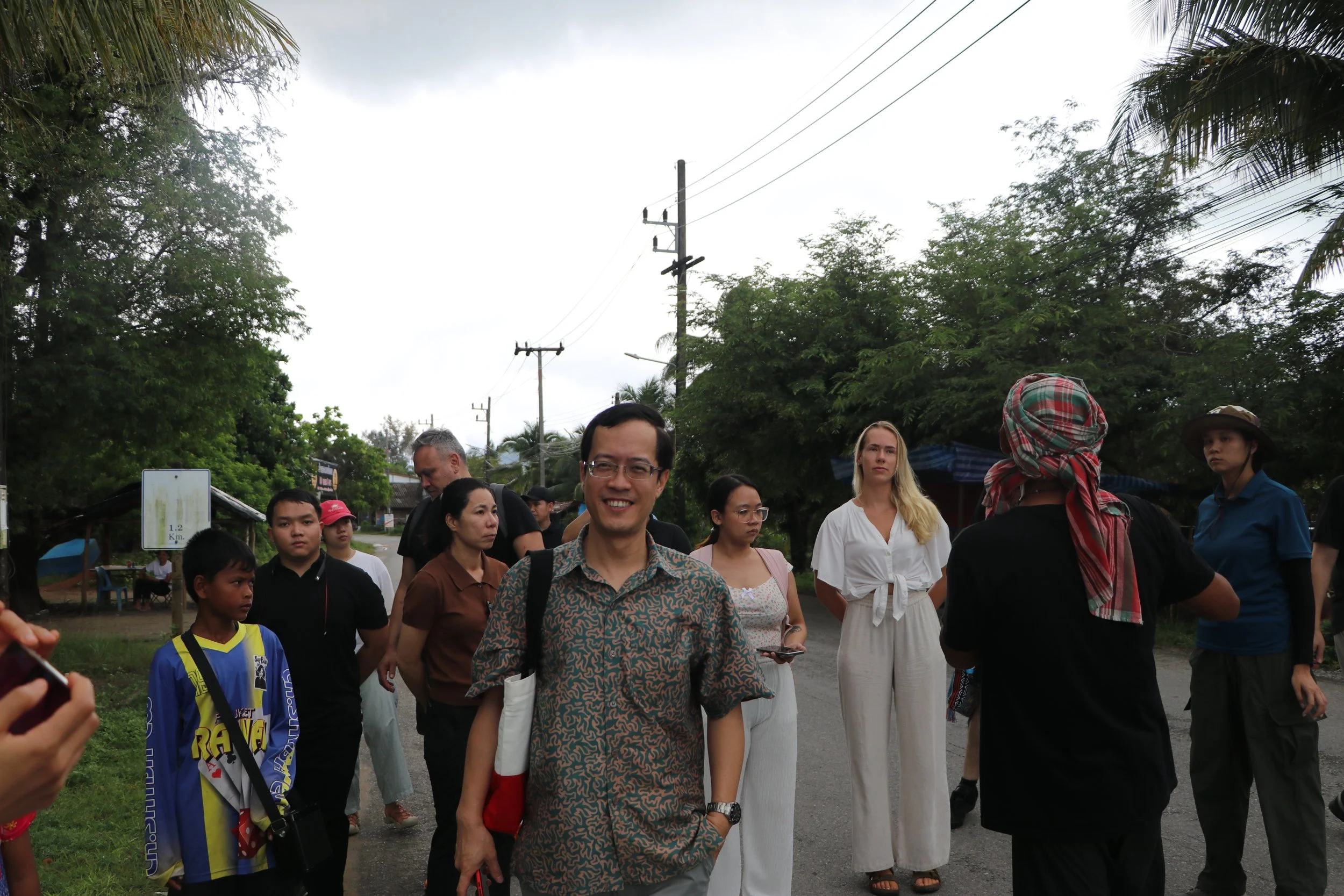
From 17 to 20 October 2025, MAIDS students from the Disaster and Crisis Management course travelled to Phang Nga Province, where a devastating tsunami struck Ban Nam Khem in Takua Pa District on December 26, 2004. Triggered by a 9.0-magnitude earthquake northwest of Sumatra, Indonesia, the tsunami caused catastrophic damage across Thailand's Andaman Sea provinces. Phang Nga was among Thailand’s most severely affected areas, with significant loss of life and destruction to coastal communities.

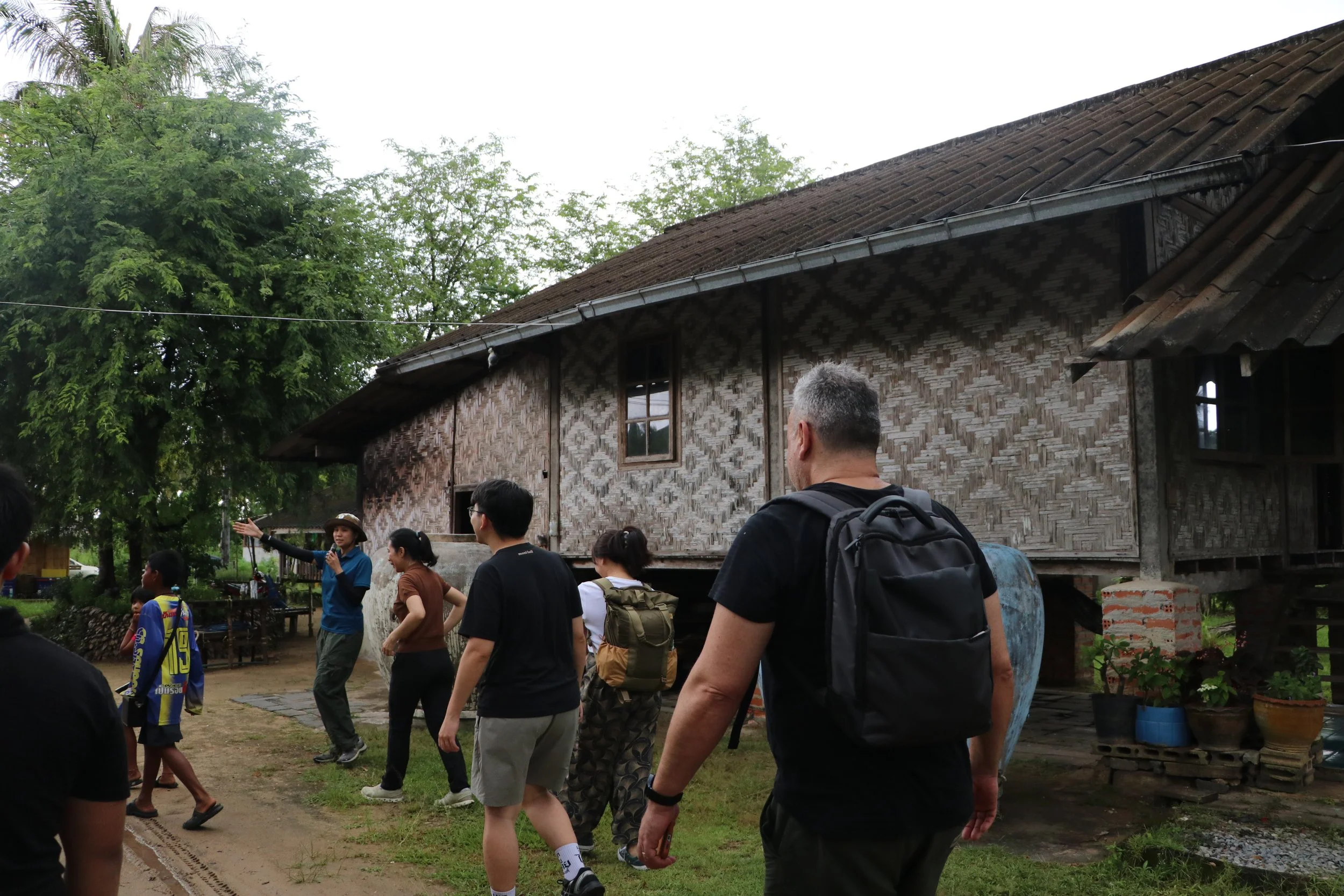
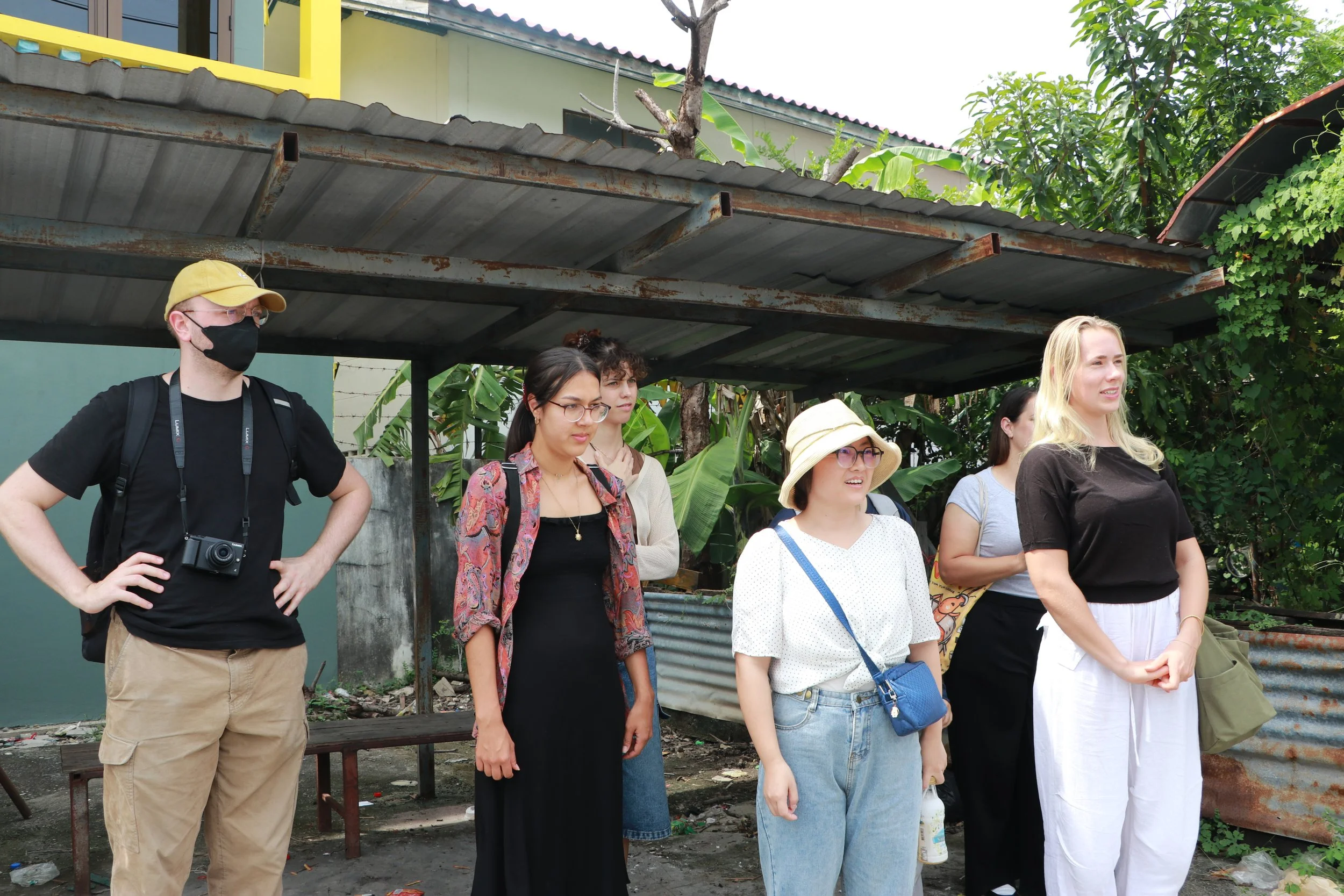
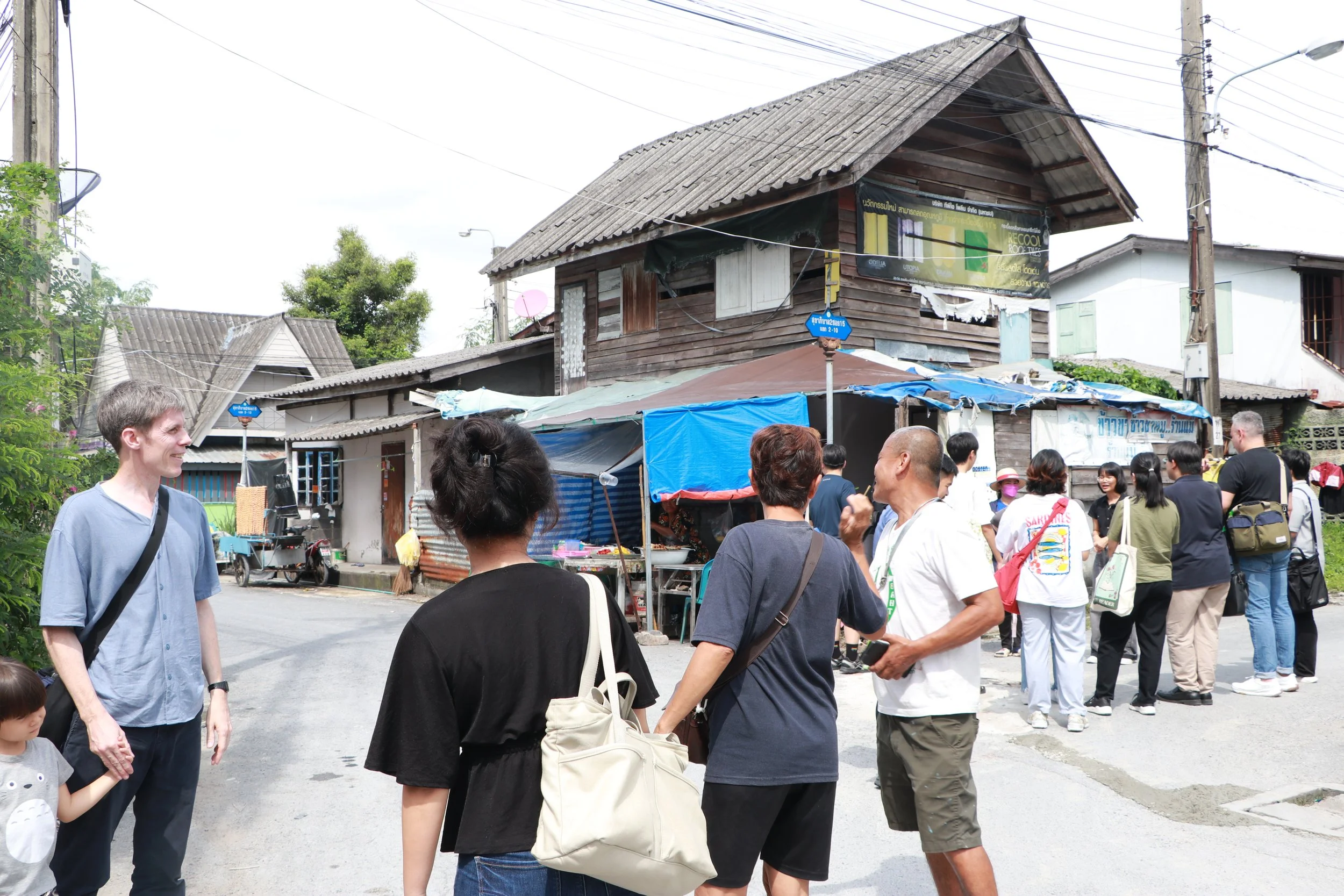
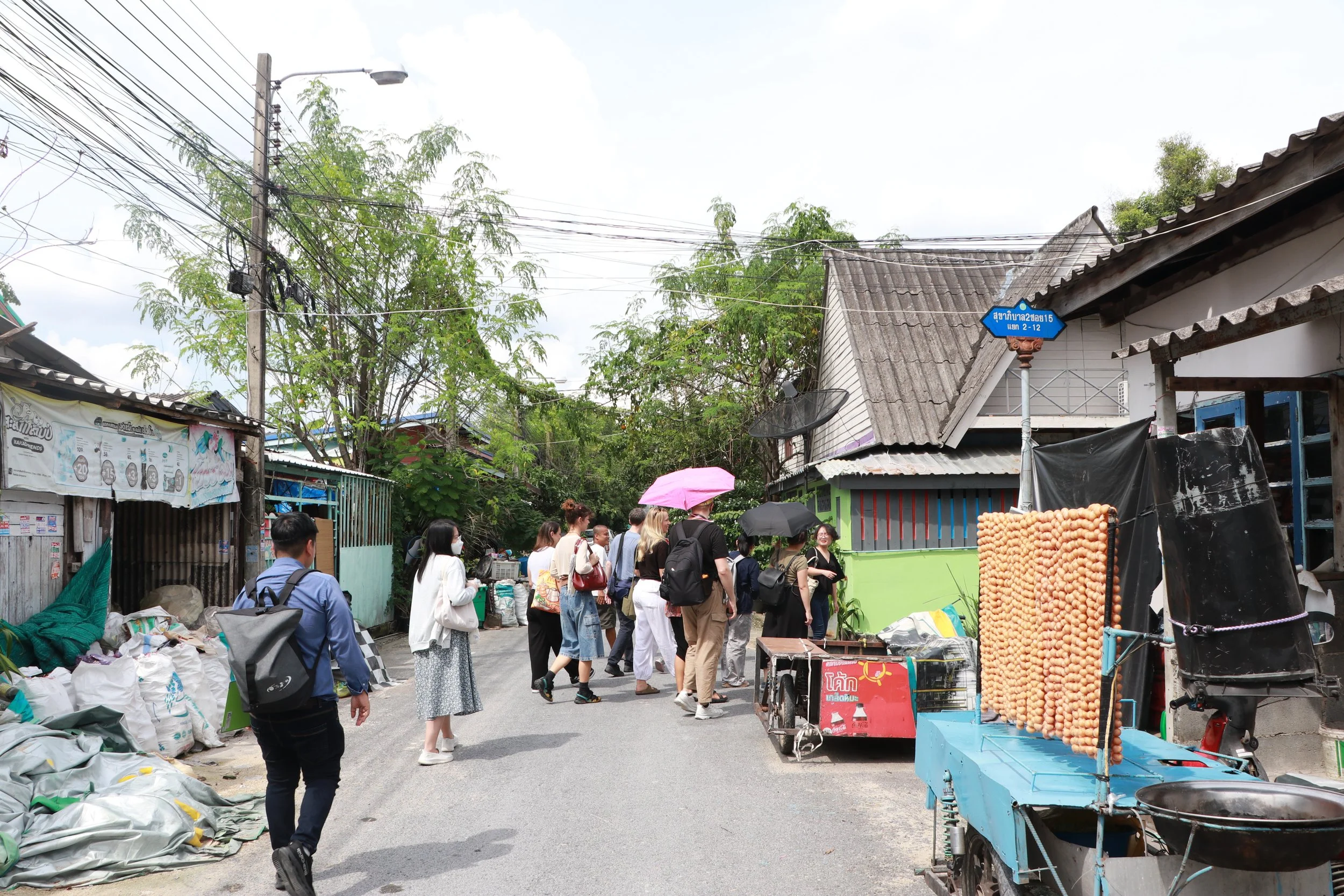
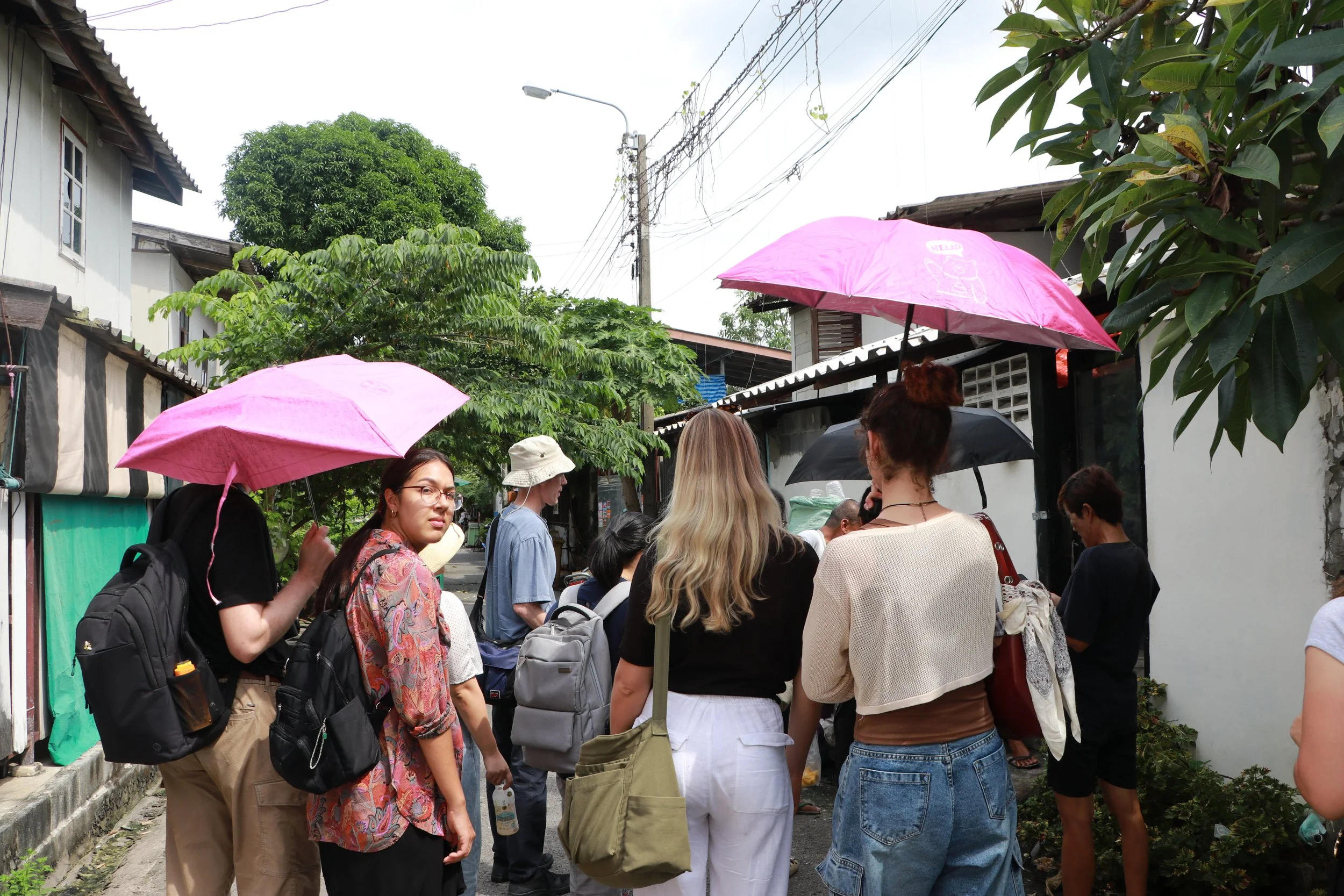
The field trip was part of the course’s hands-on learning approach, helping students connect what they have studied in class with realities experienced on-the-ground in communities living in disaster-prone areas. Over four days, the students observed how recovery, preparedness, and community resilience takes shape over time. The trip was led by Professors from the program, including Asst.Prof.Dr. Watchara Pechdin, Prof.Dr. Sorasich Swangsilp, Asst. Prof. Pimsiri Aroonsri, and Ms. Arunswasdi Huridadtpong.

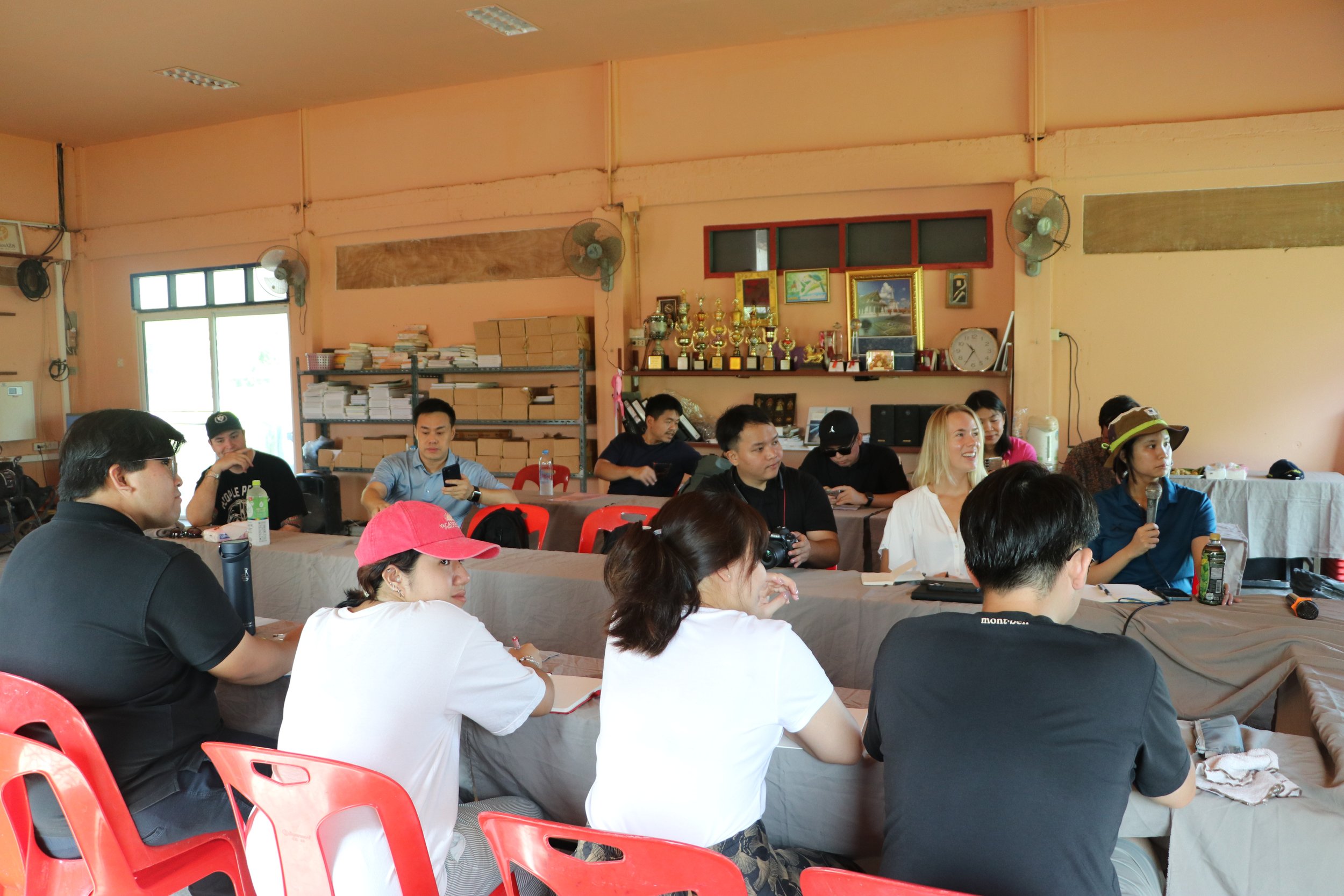
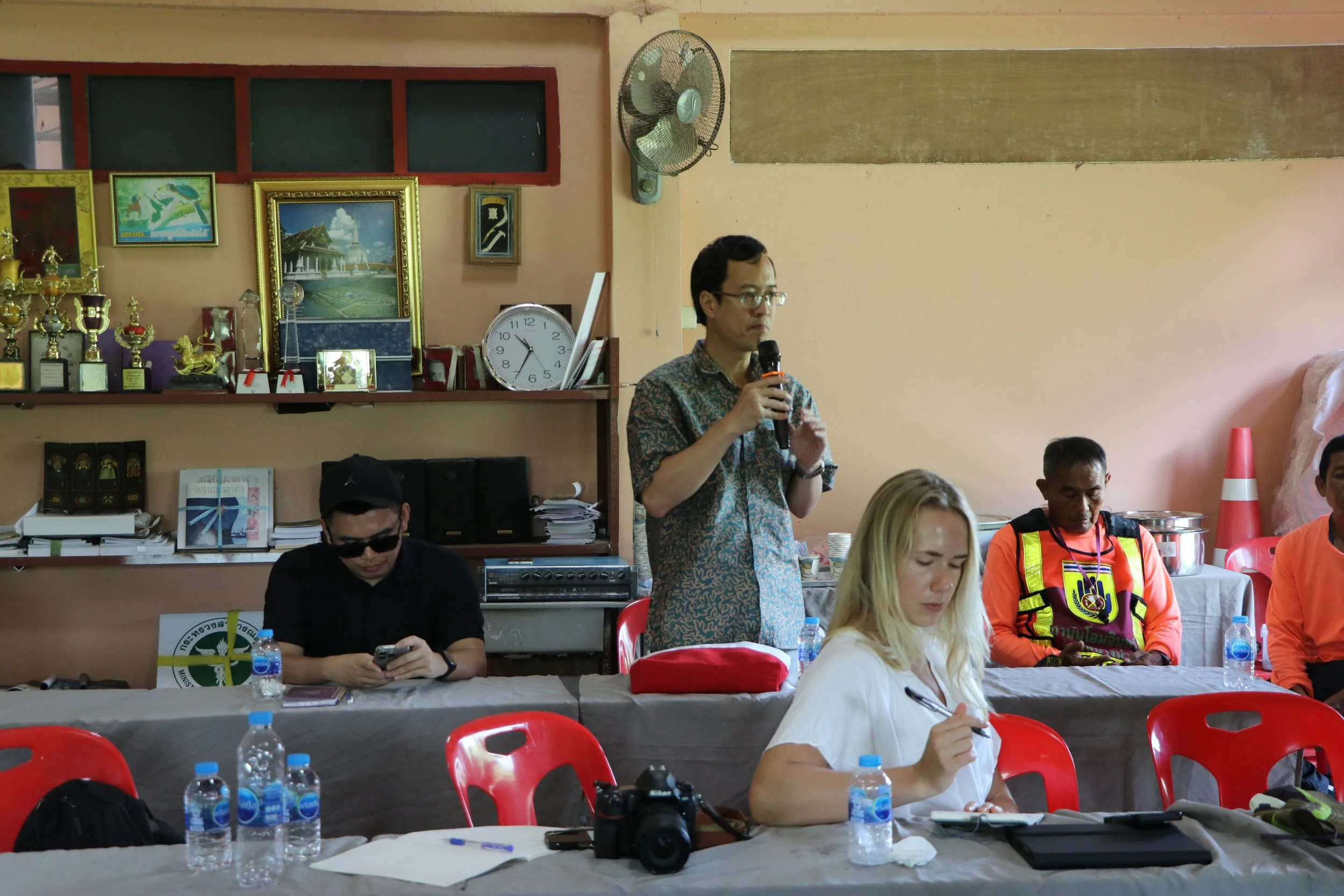
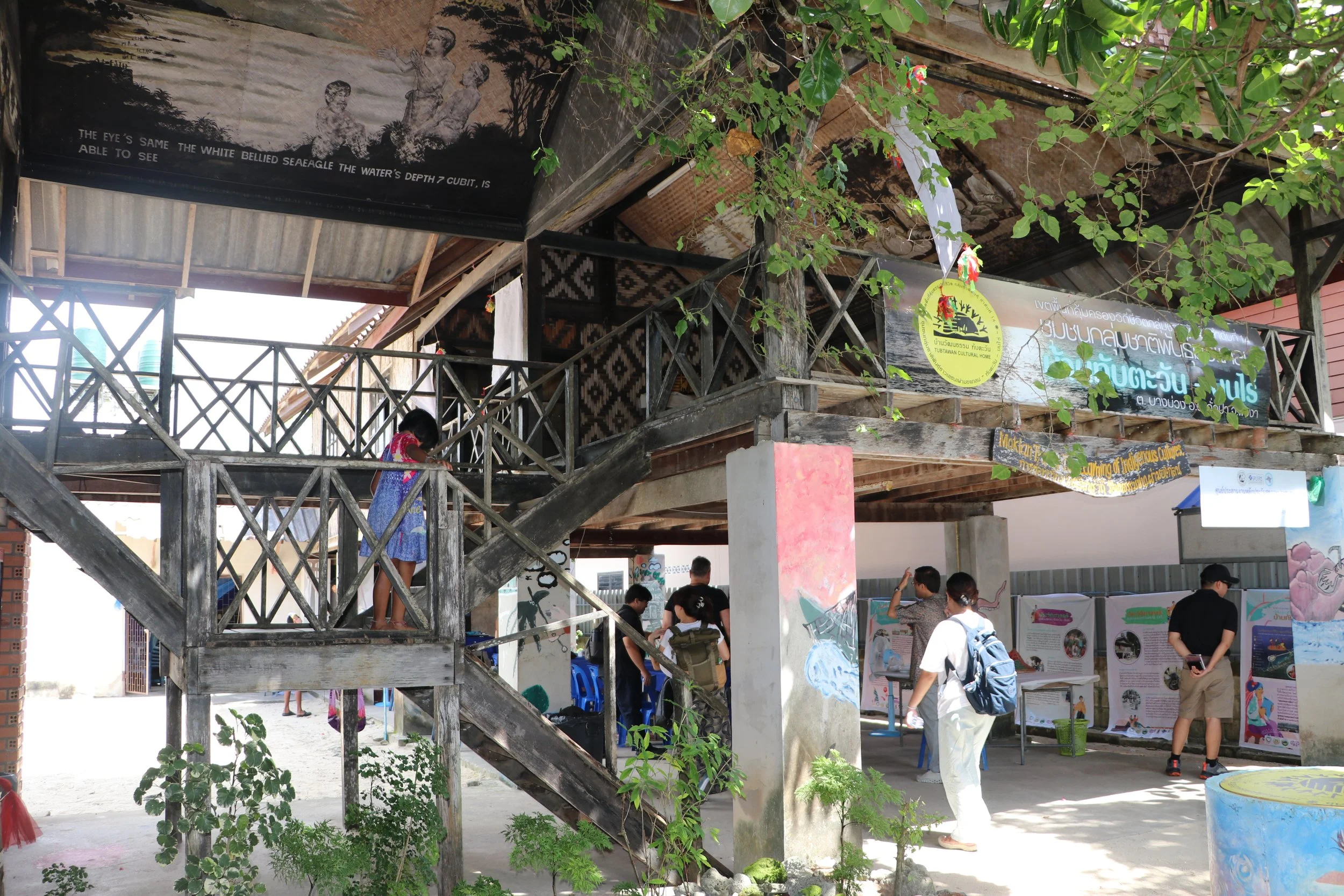
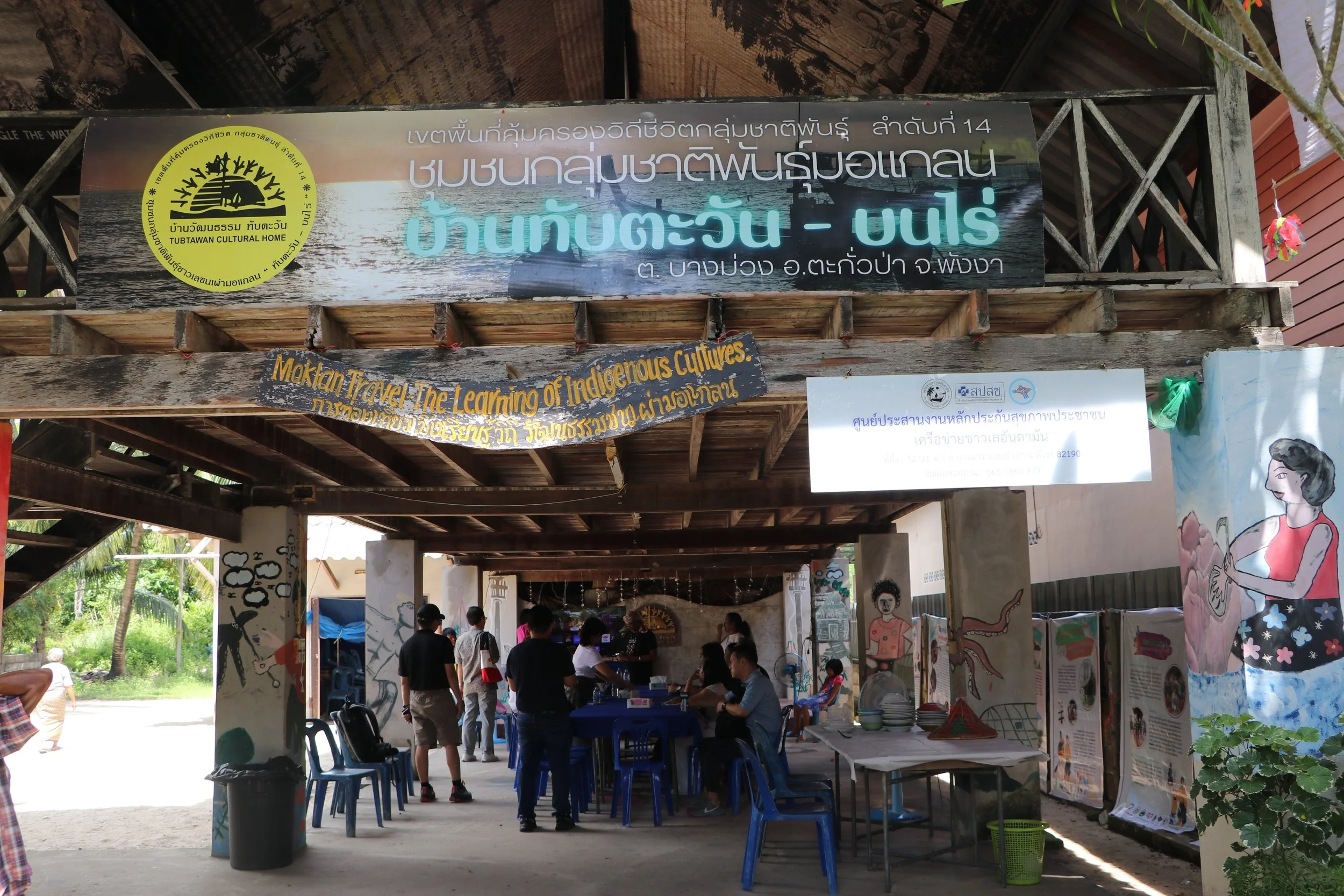
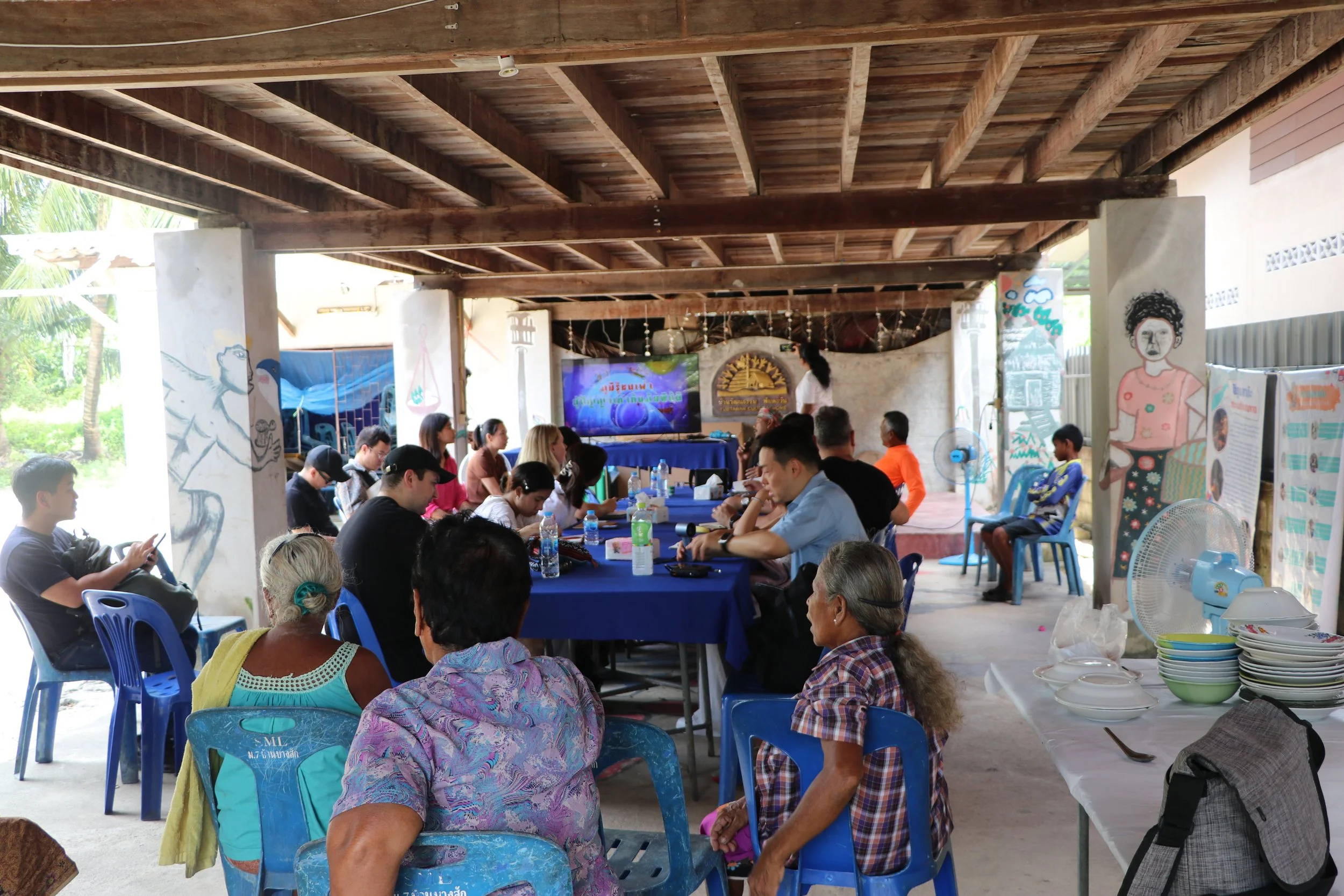
During the visit, students met with local leaders and community members in Ban Nam Khem, a Moken community, to learn about ongoing efforts in disaster preparedness and early warning systems.  Through these interactions, students gained a deeper understanding of how effective disaster management must consider the local context, traditional knowledge, and active participation of all communities, including marginalized and migrant groups. 

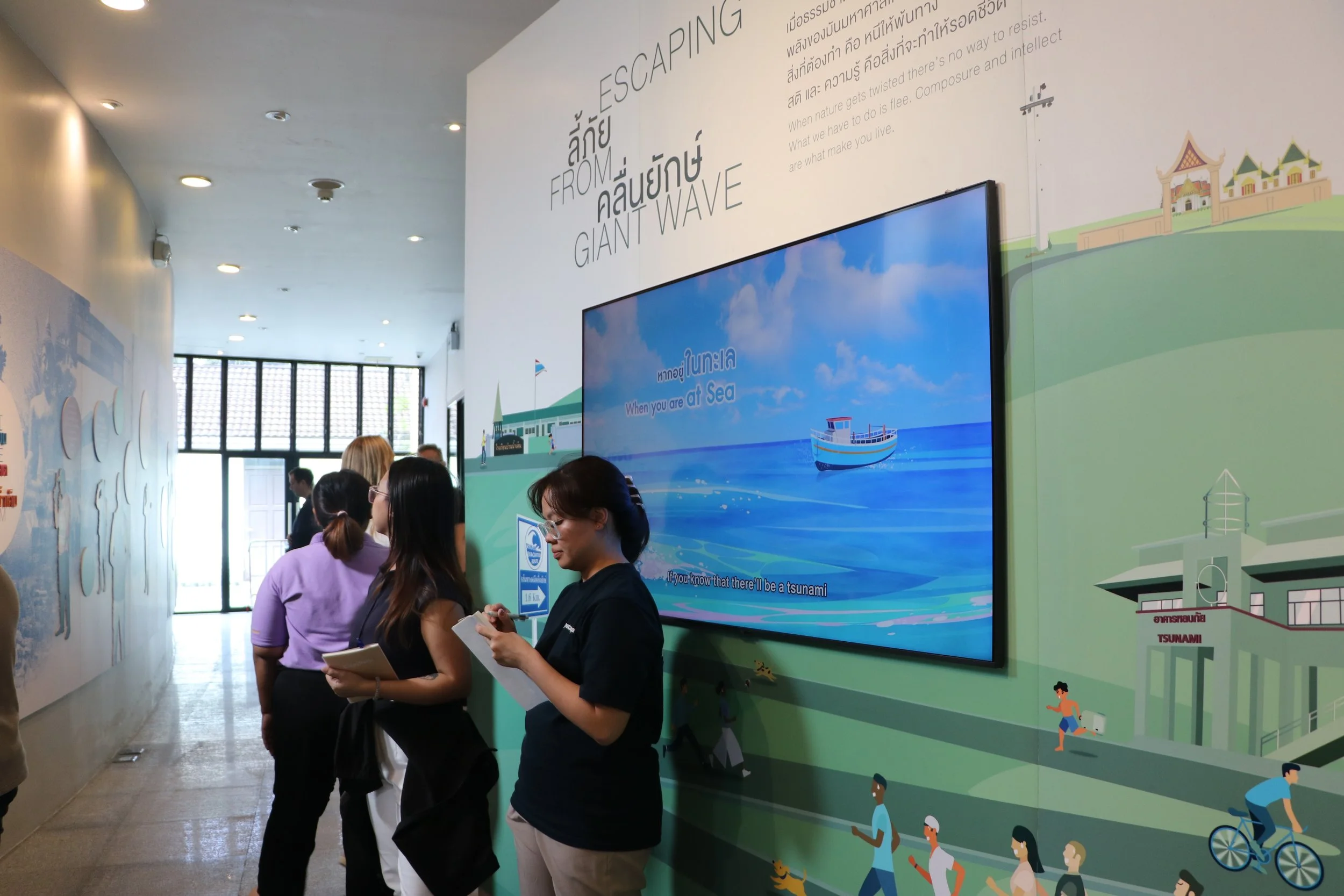
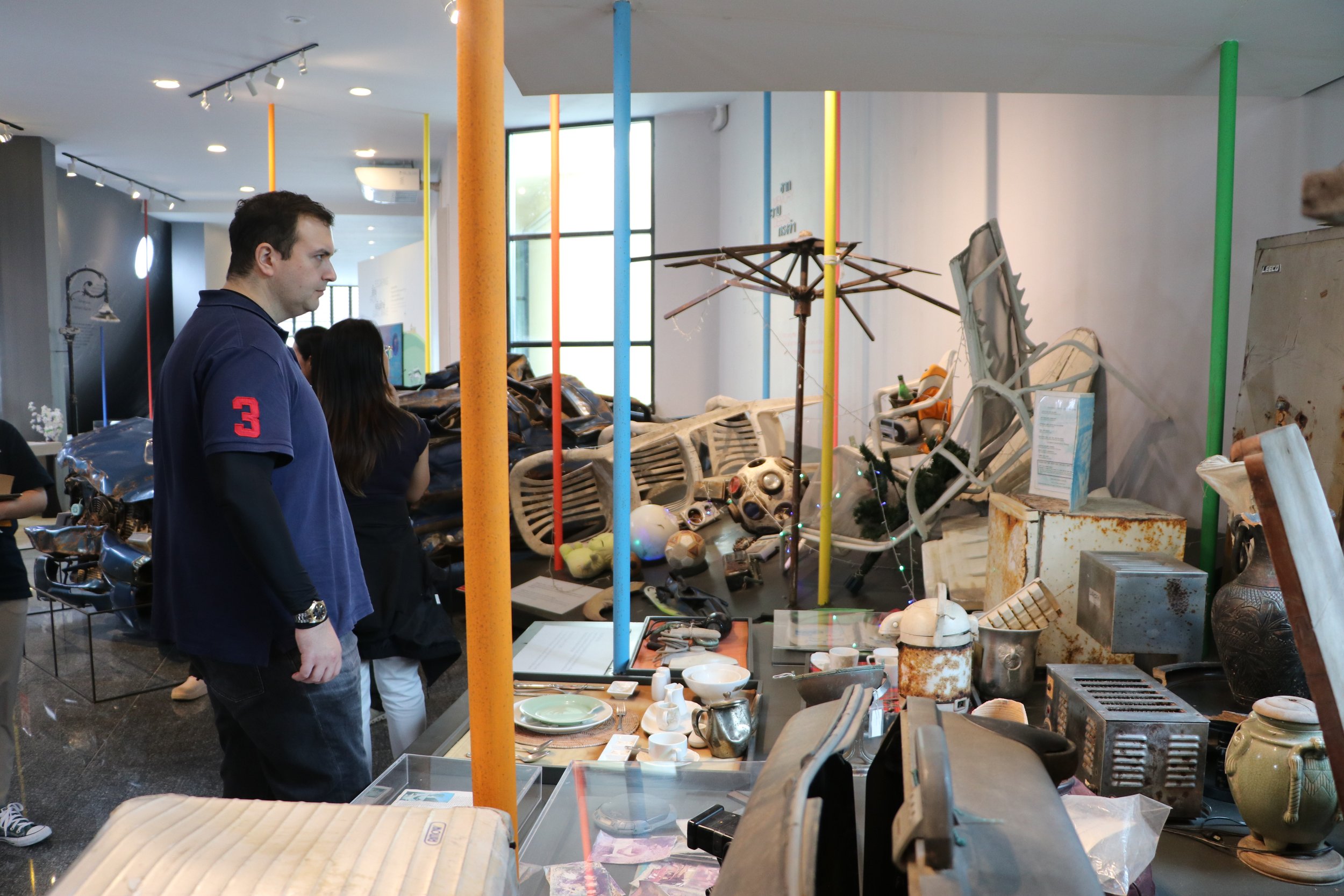
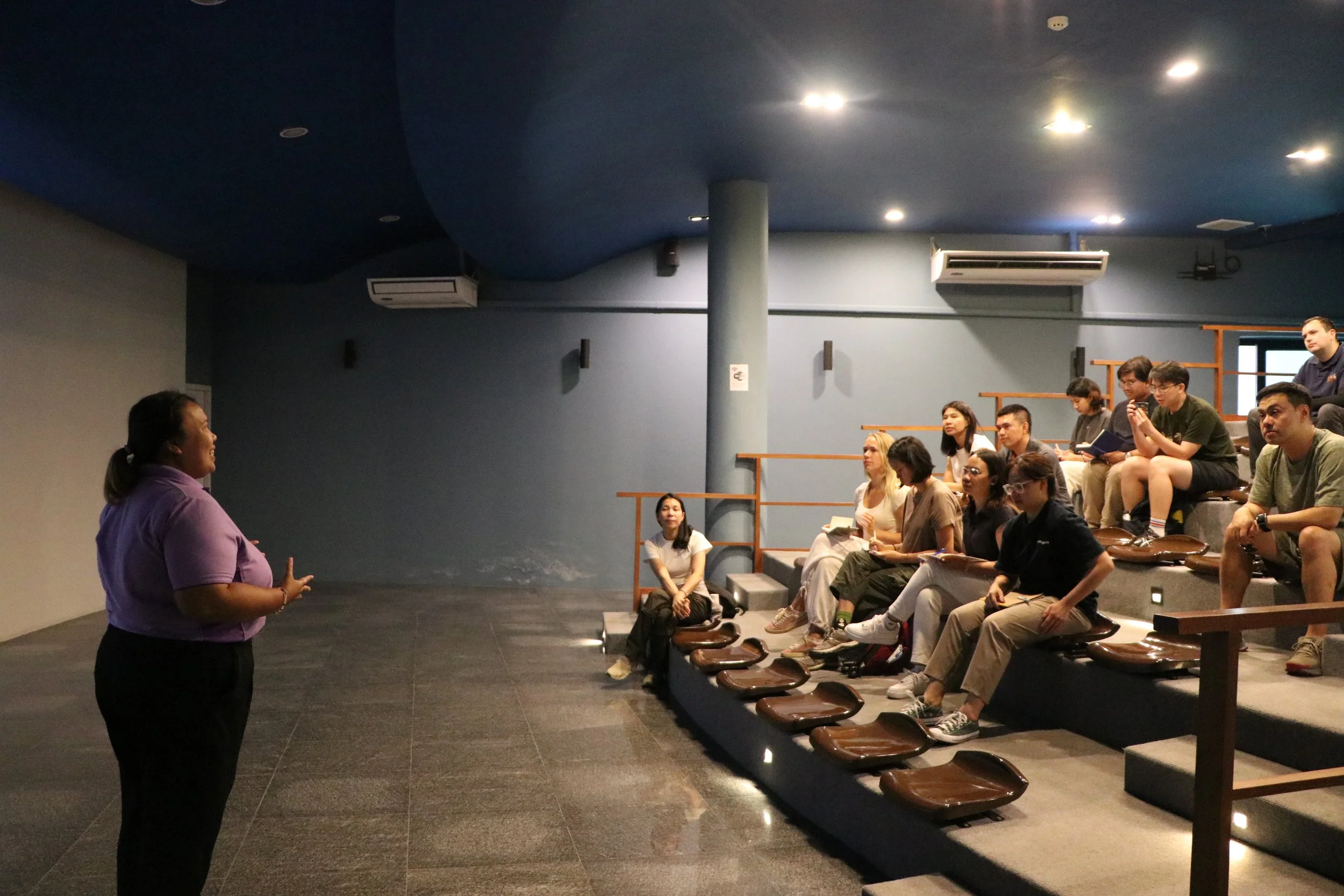
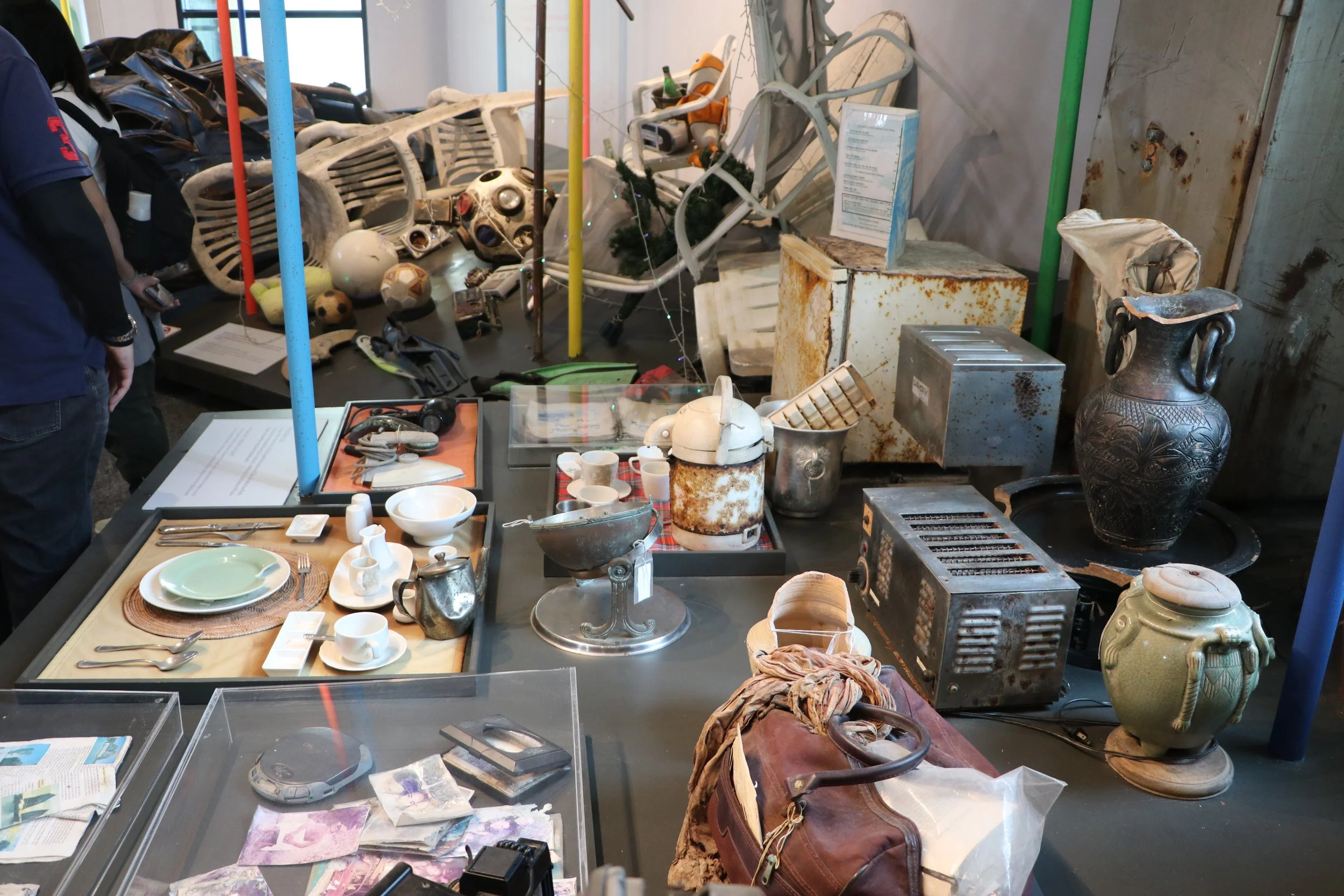
They also visited the Ban Nam Khem Tsunami Museum, where they listened to first-hand stories from survivors and learned about the community’s recovery journey. These stories highlighted the strength and resilience of the people who rebuilt their lives and communities after the disaster.

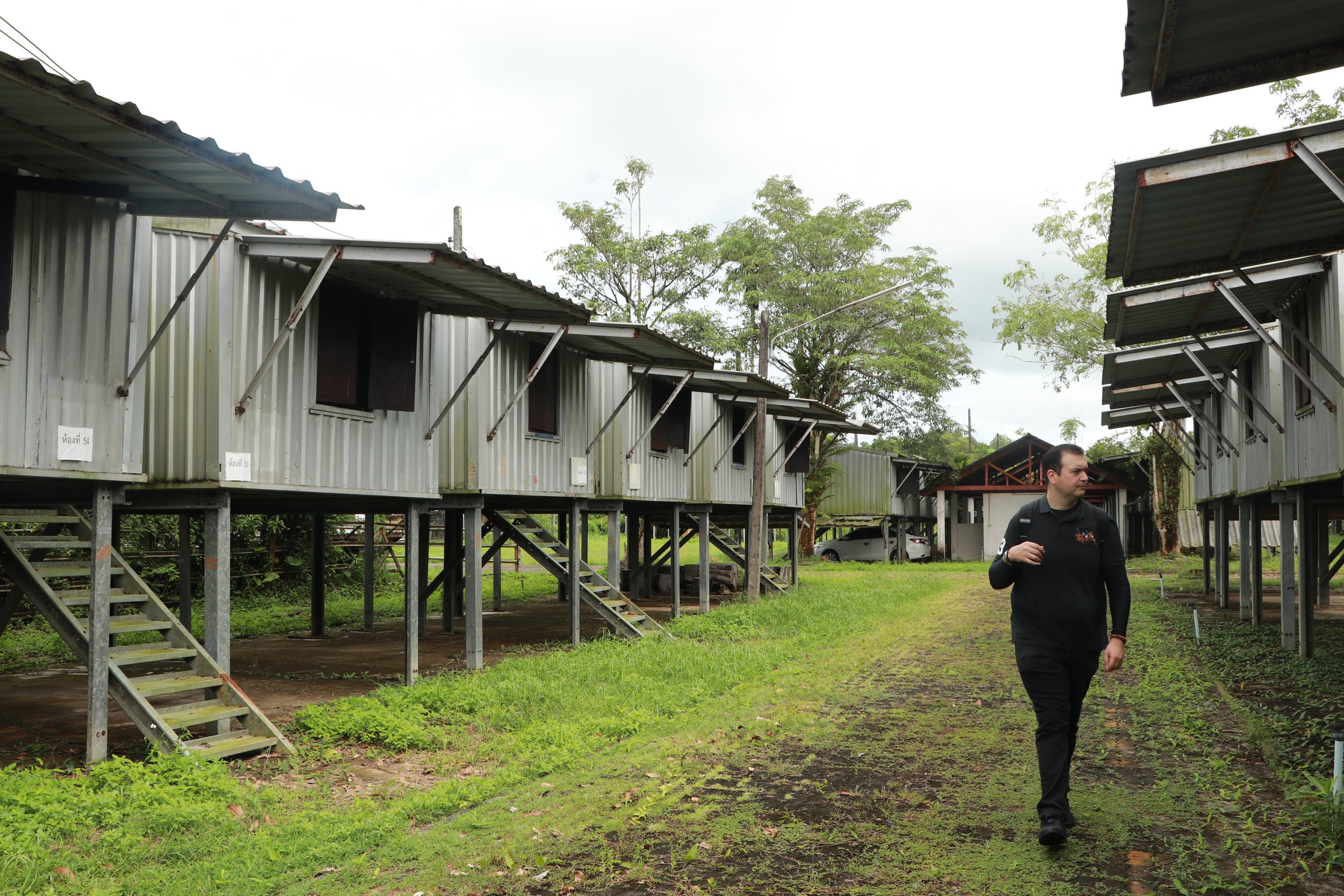
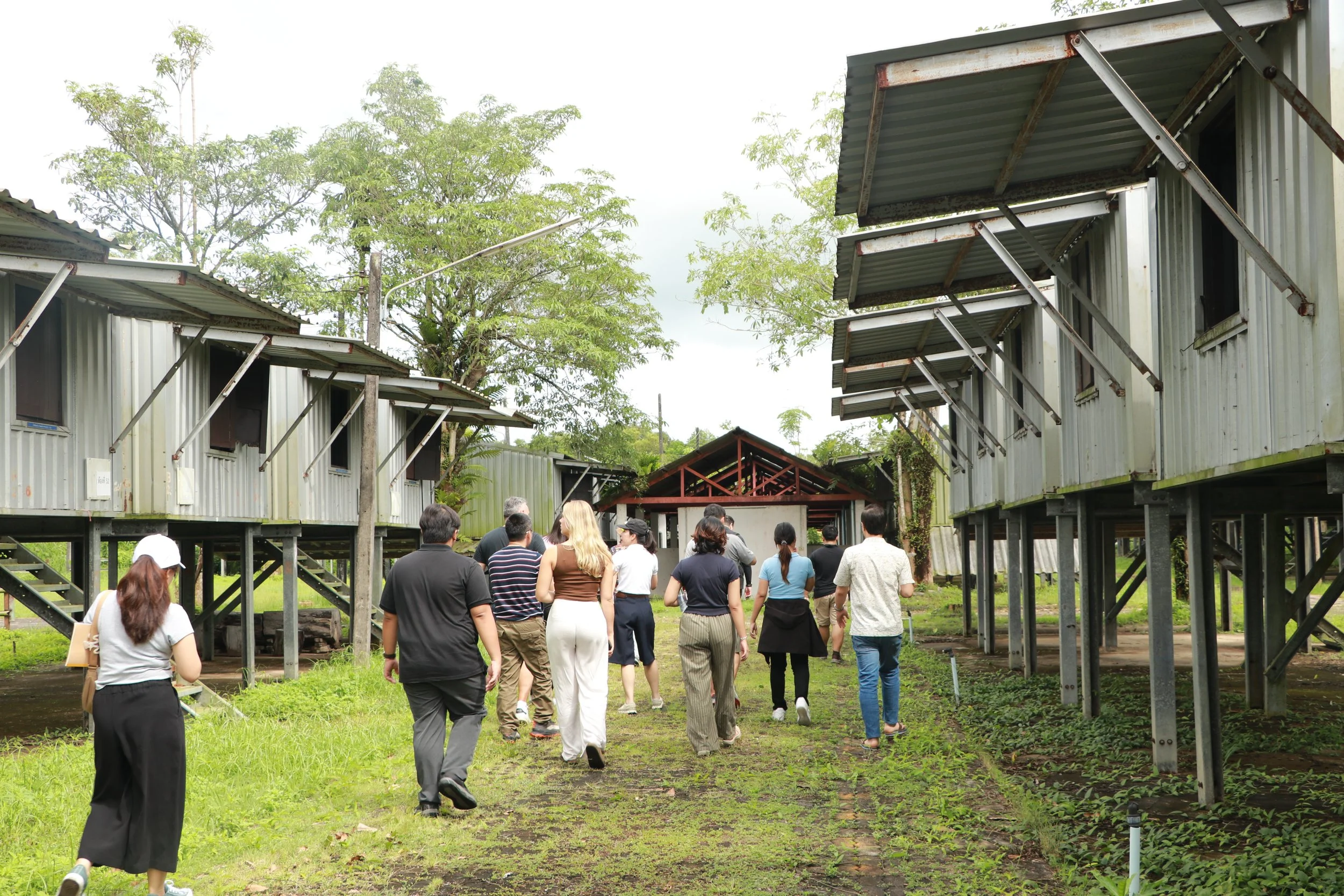
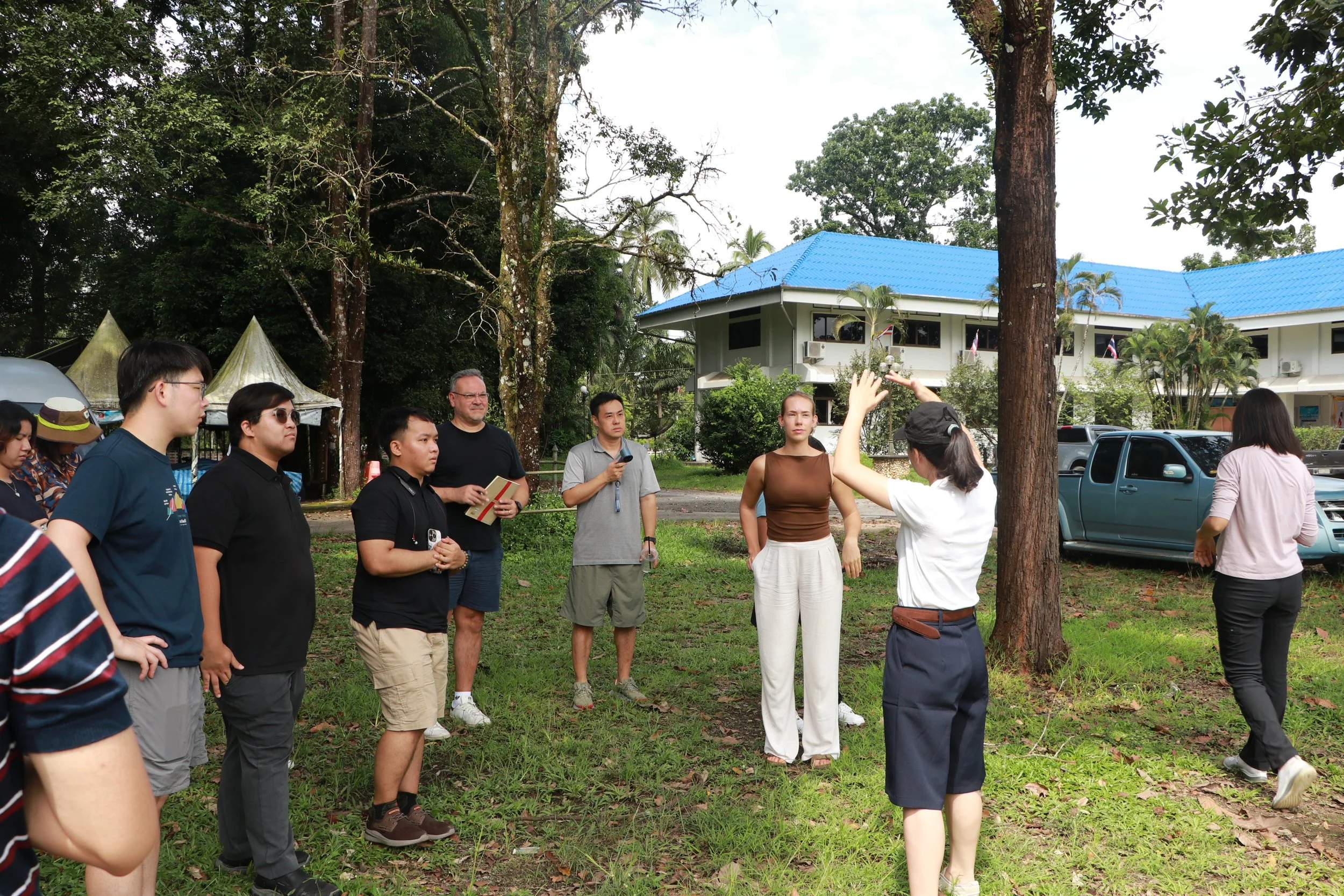
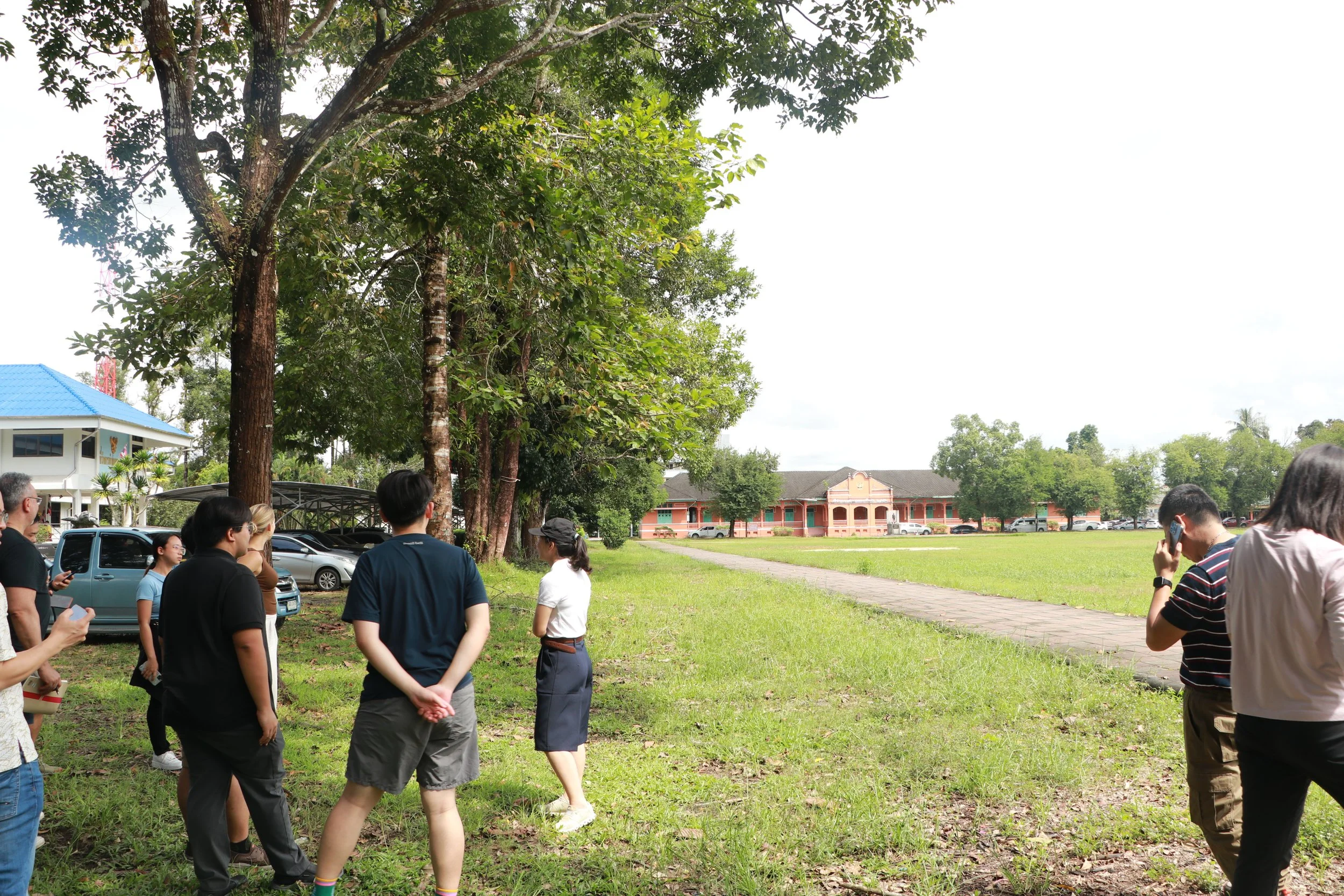
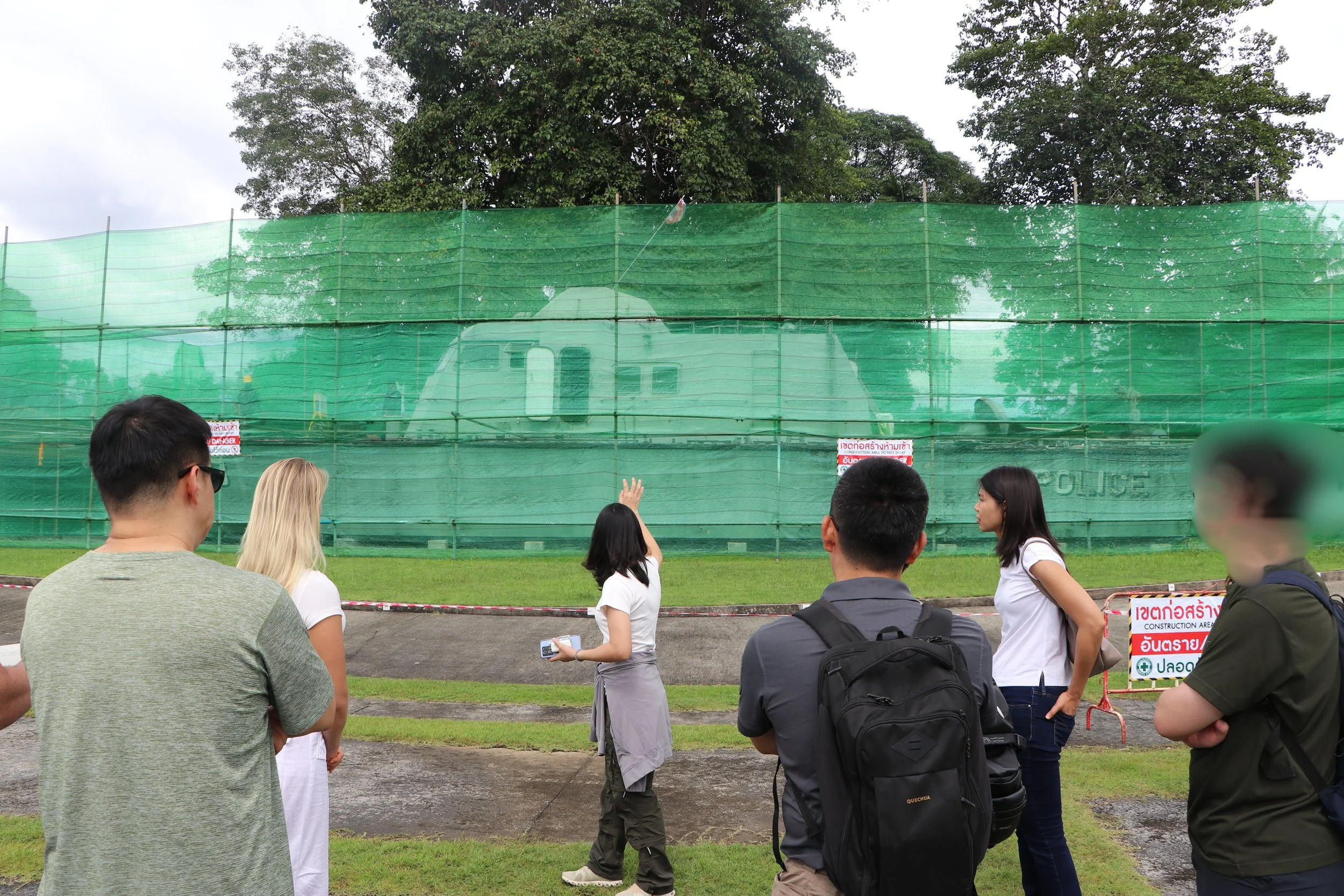
The next day, the students participated in a tsunami evacuation response exercise, which enabled them to experience evacuation planning in practice. They learned how evacuation routes are planned, marked, and communicated to ensure that community members are familiar with them. Students also learned how safe zones and evacuation buildings, such as temples and community centers, are designated that serve as shelters during emergencies. They discussed whether these facilities are inclusive and accessible to all, particularly older adults, the disabled, and other vulnerable groups. This hands-on experience helped them understand the importance of coordination, communication, and community involvement in saving lives during disasters.

The field trip not only deepened students’ understanding of disaster and crisis management frameworks but also strengthened their appreciation of the human dimensions of resilience and recovery. It was a meaningful opportunity for students to learn directly from those who have lived through and overcome the challenges of disaster, showing the value of local wisdom, inclusion, and collective participation in building safer, stronger communities.

Ban Nam Khem Tsunami Museum

https://www.facebook.com/Bannamkhemtsunamimuseum

EI EI LIN

Communication Coordinator

MAIDS-GRID Program

Exploring Urban Sustainability at SAFETist Farm: Field Learning Experience in Environmental Politics and Policy Class

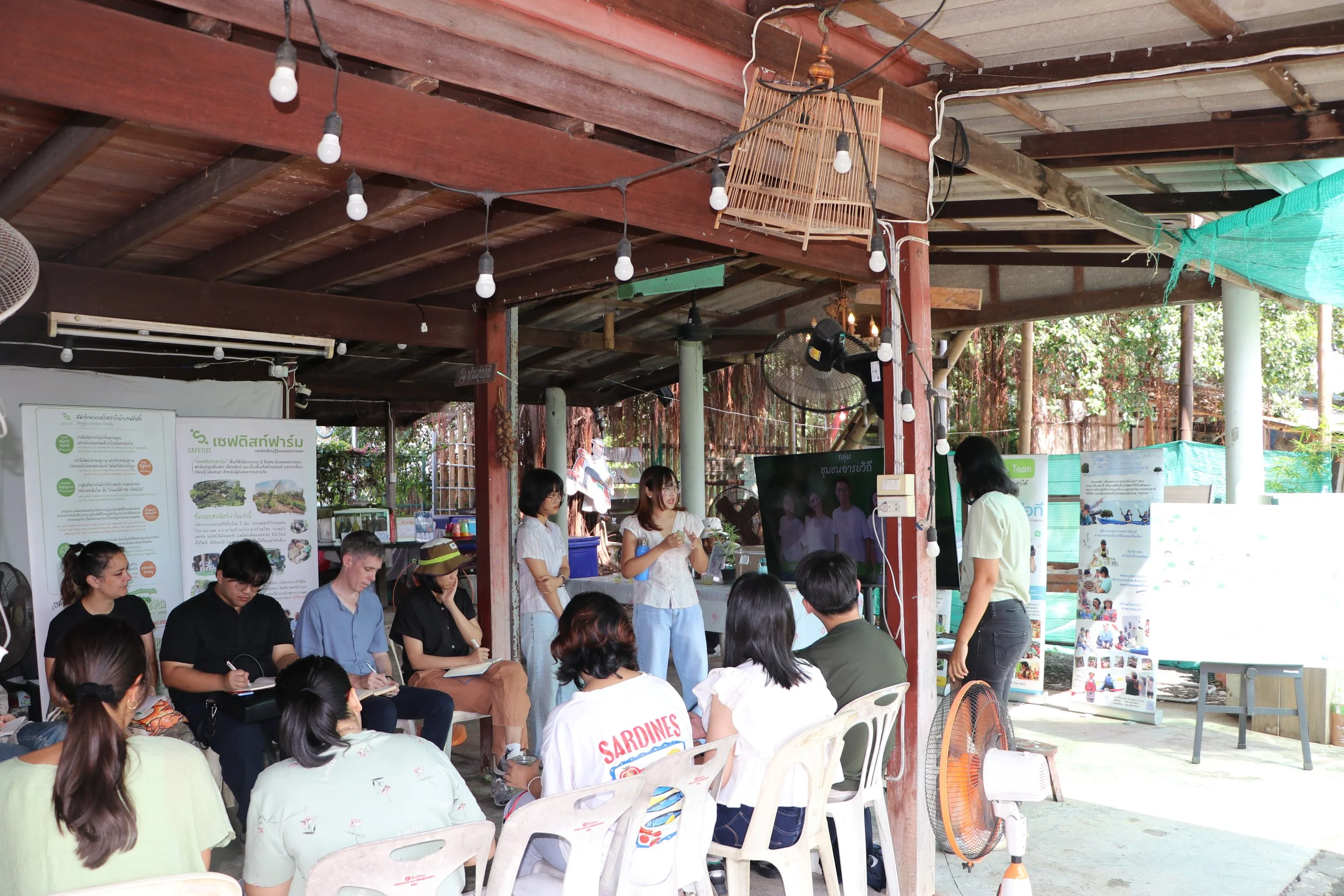
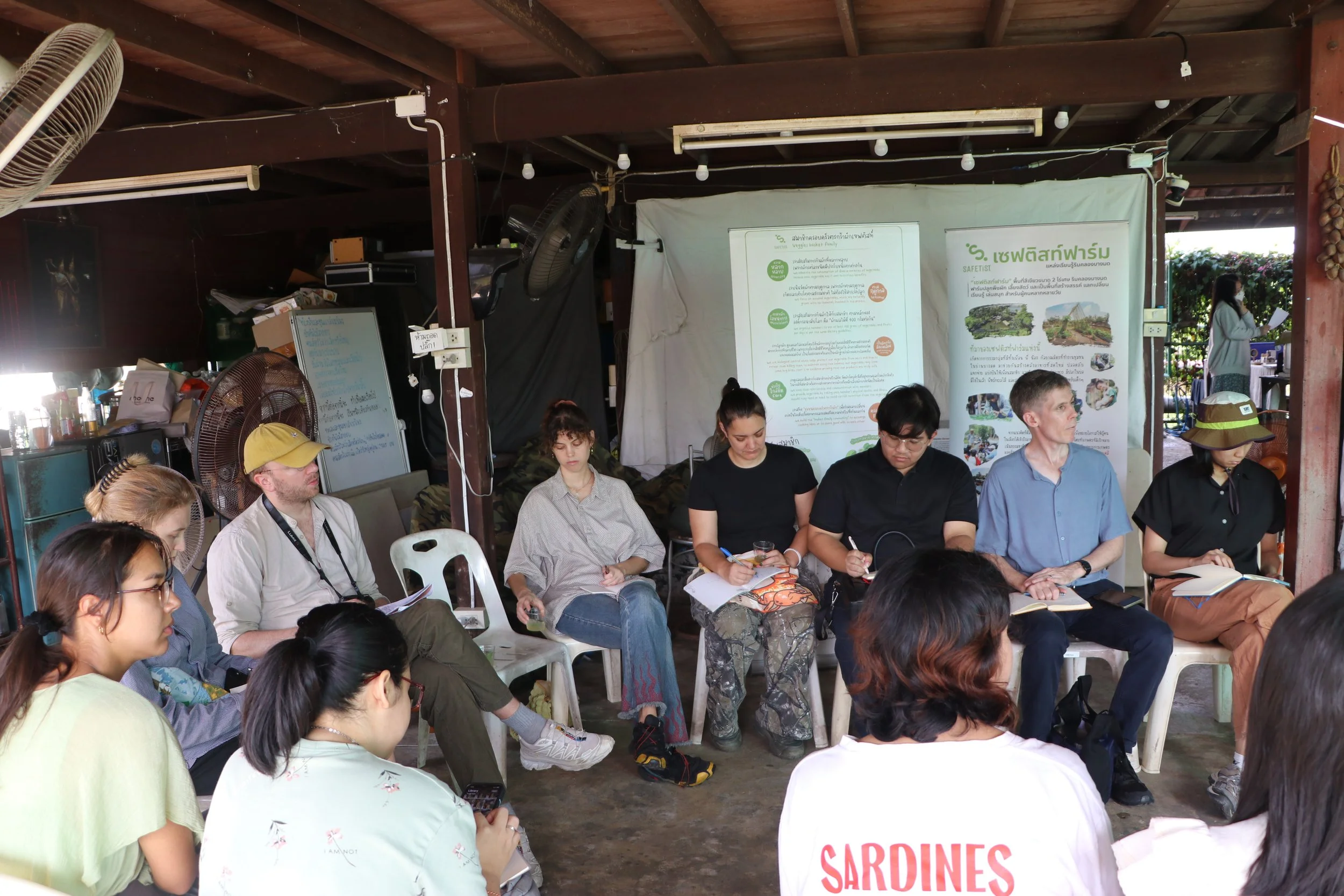
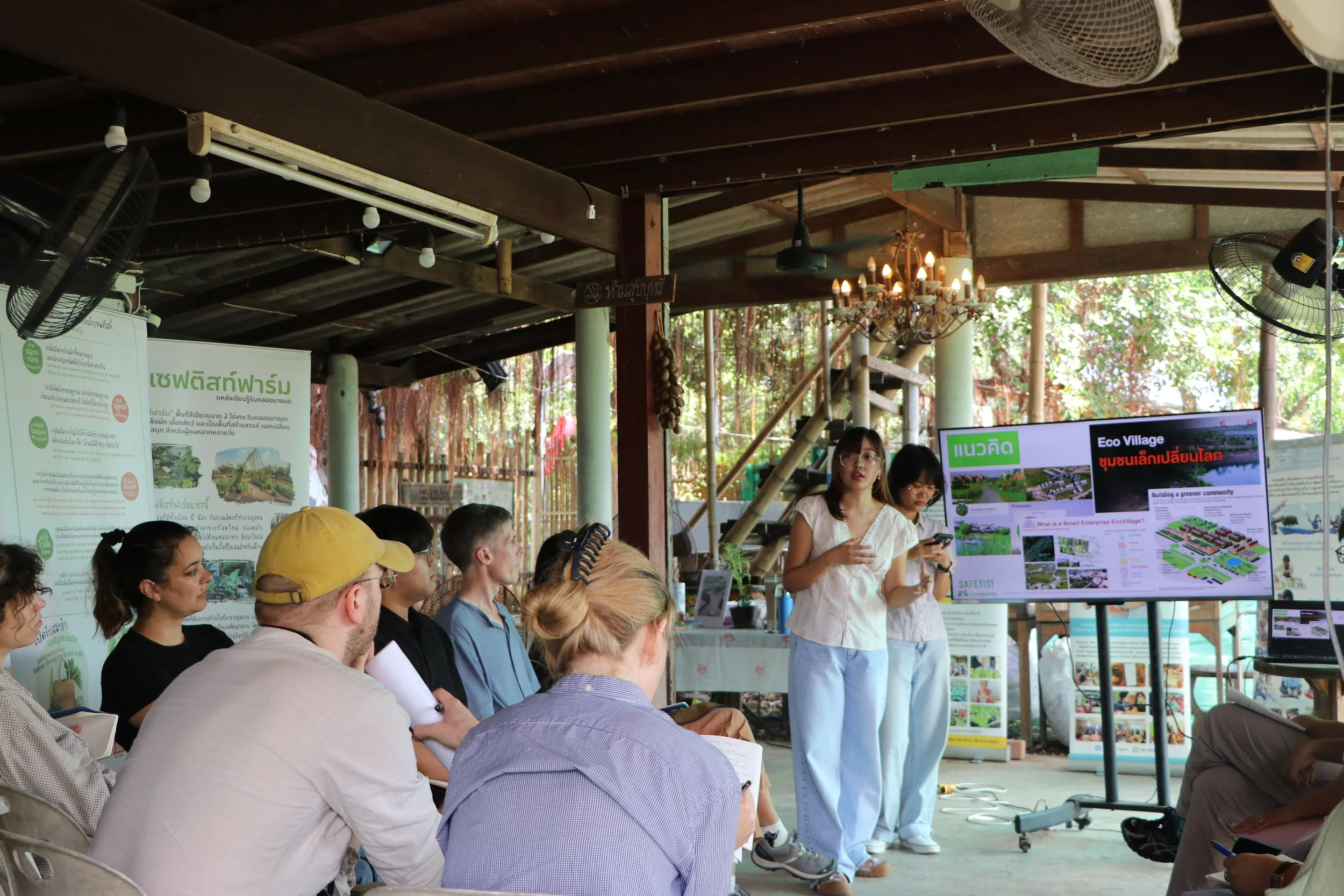
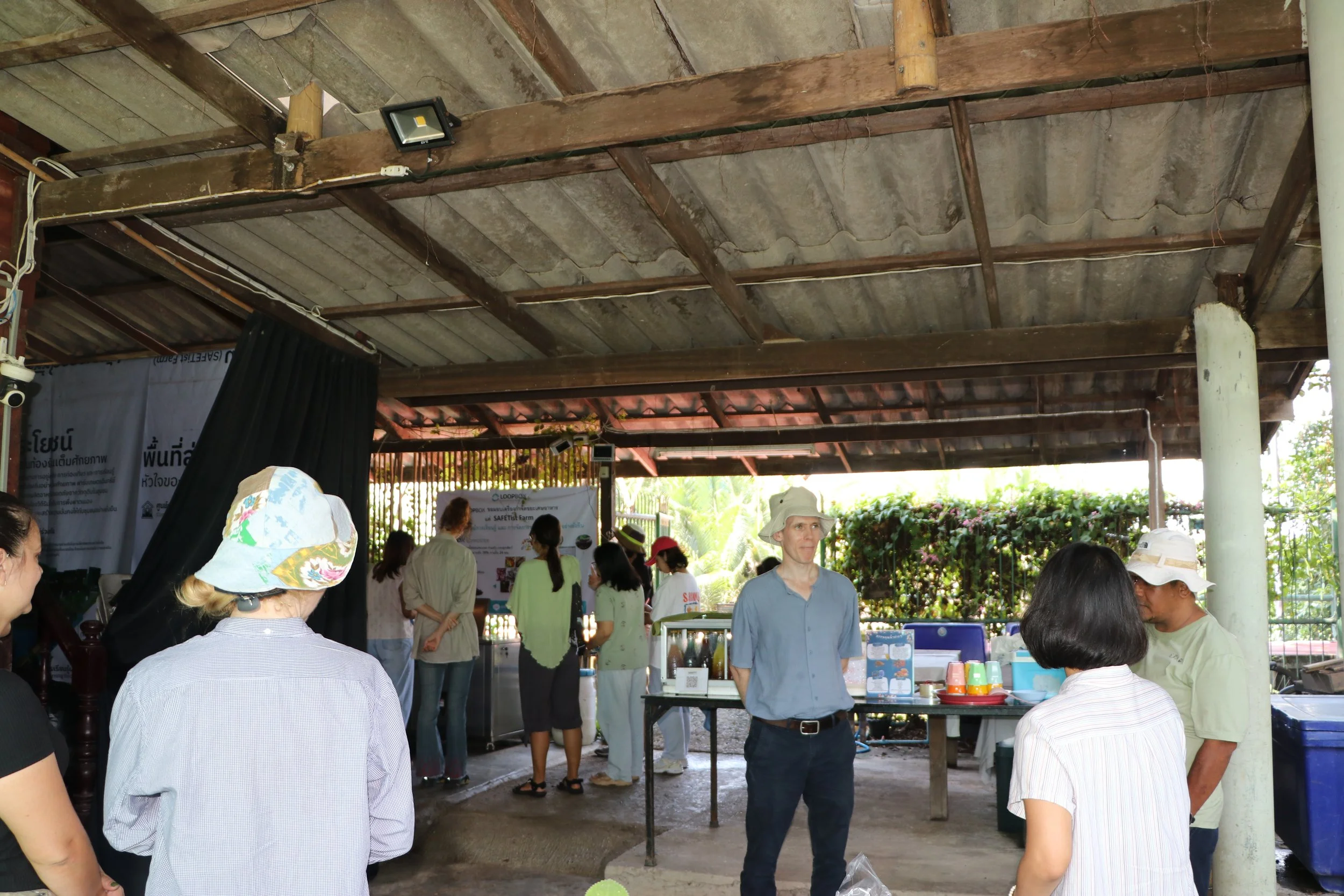
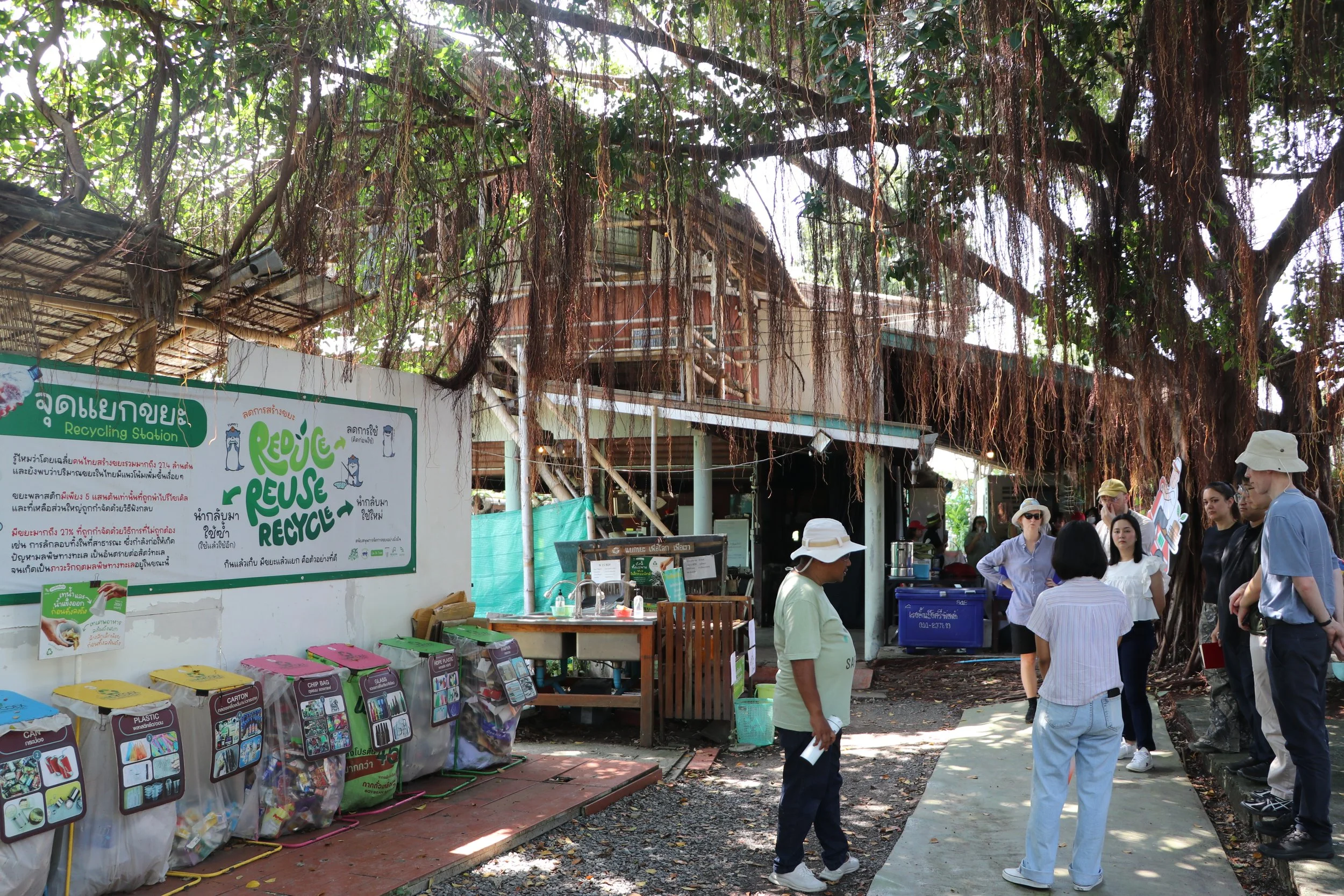
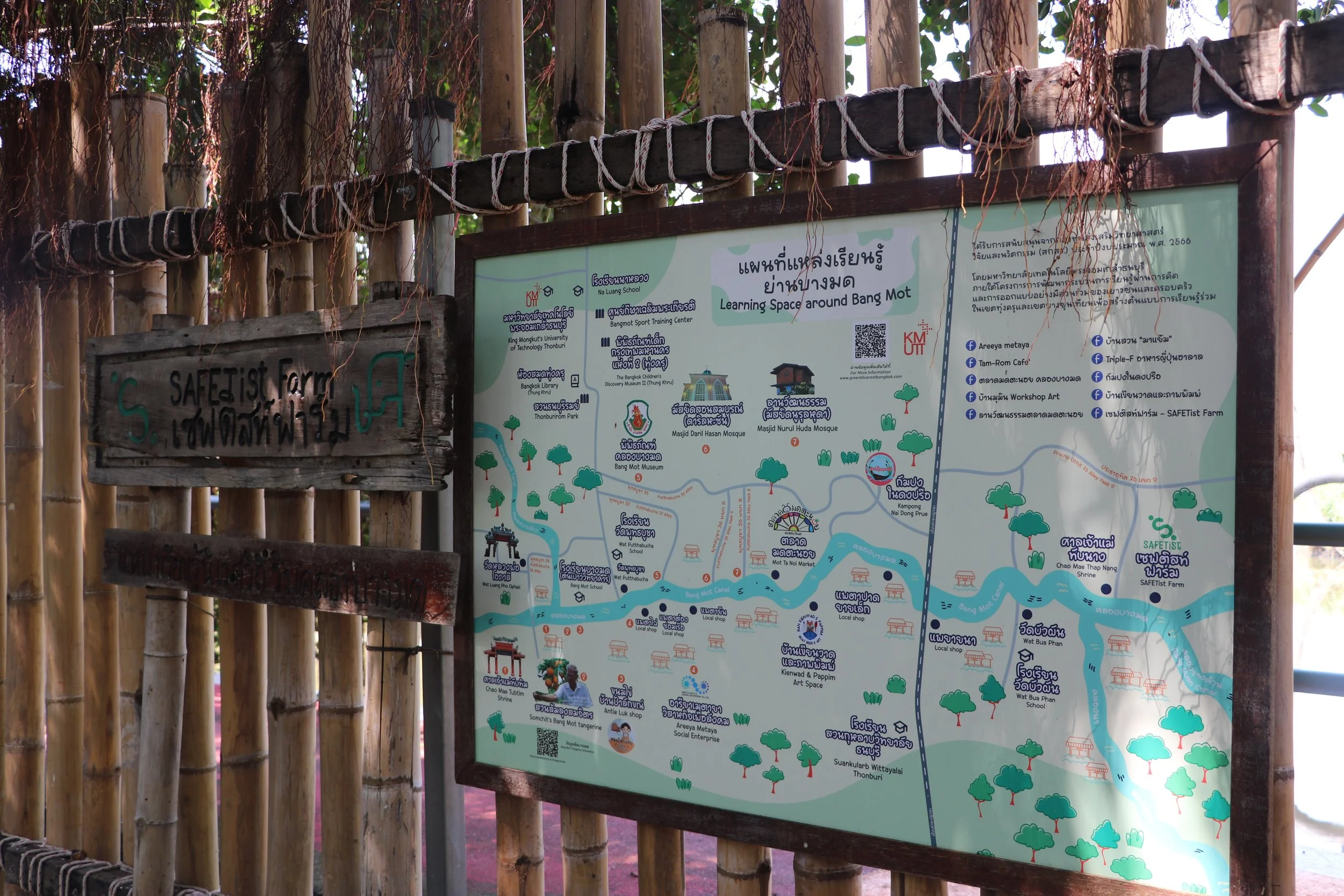
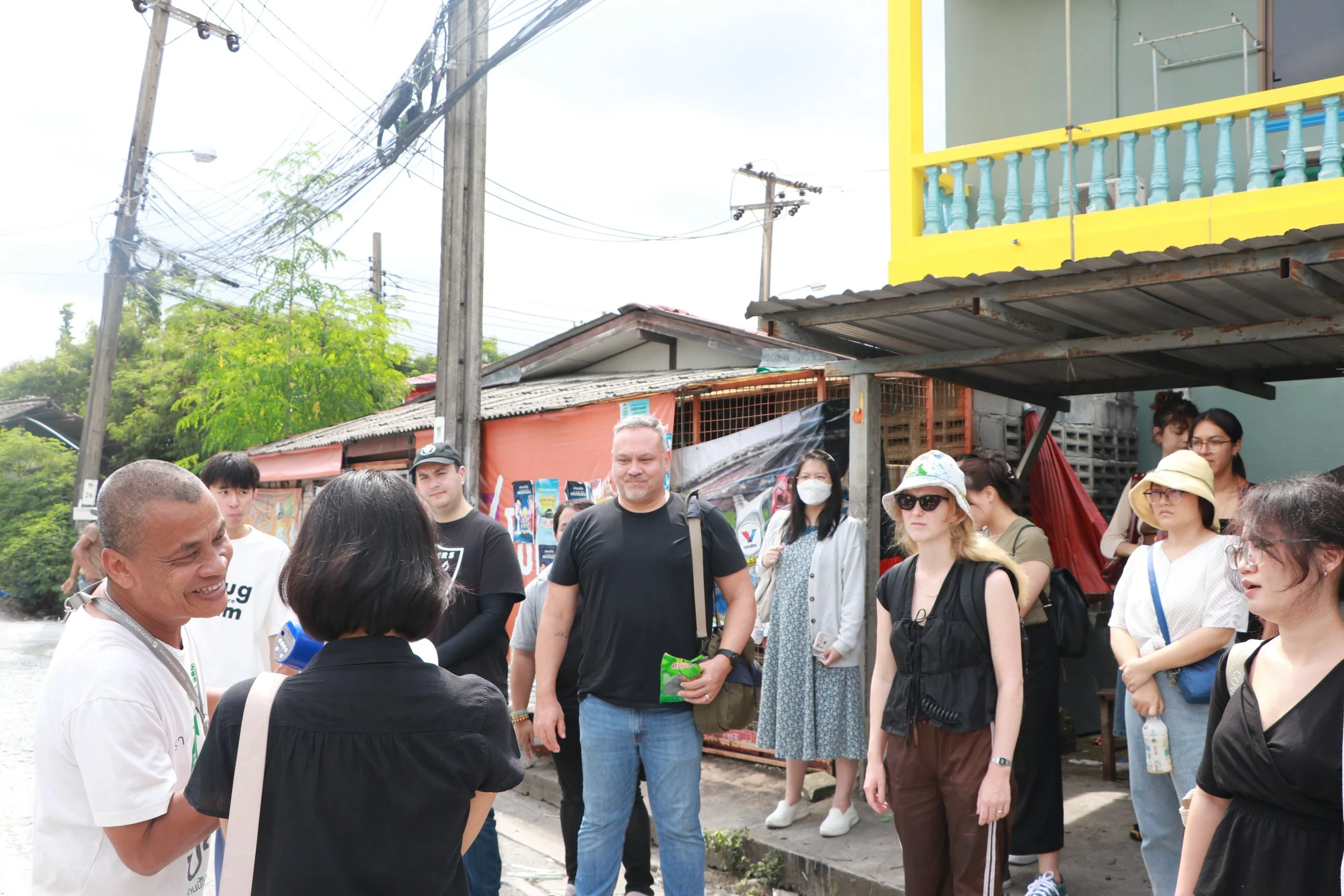
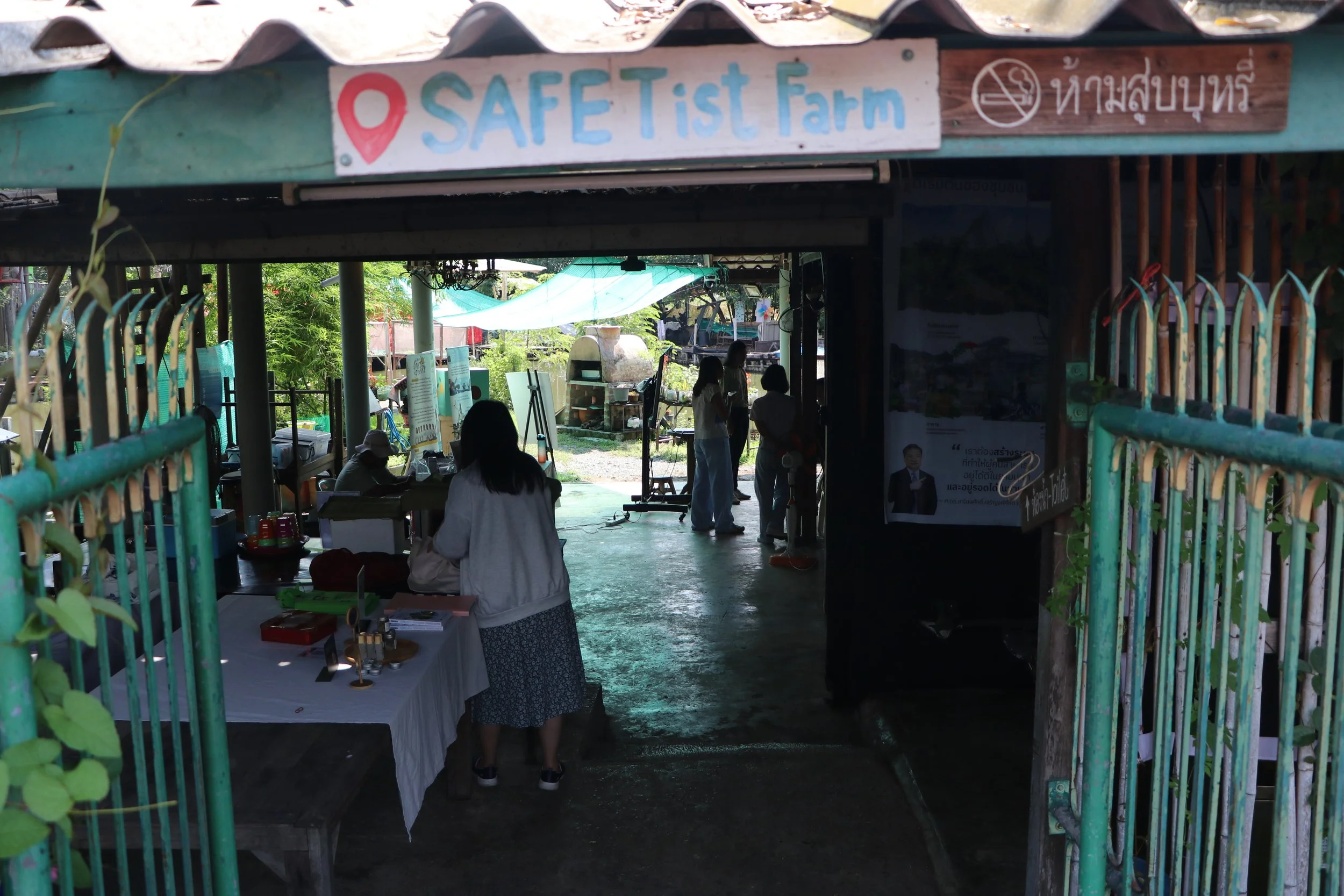
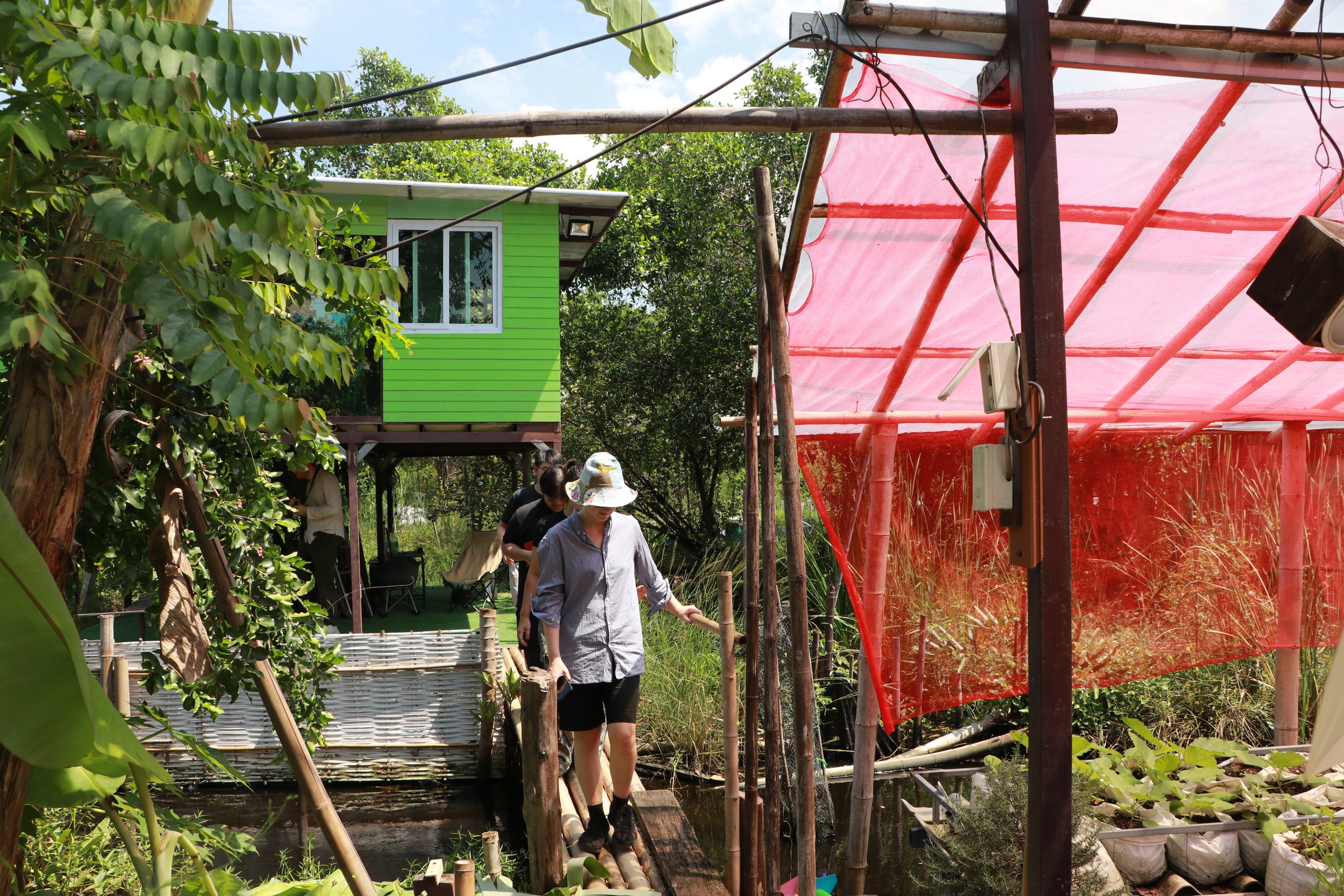
On 16 October 2025, students on the Environmental Politics and Policy course with the MAIDS-GRID program, Chulalongkorn University, visited SAFETist Farm in Bang Mot, Bangkok. The field trip aimed to explore how environmental policies and political ideas come to life through community-based initiatives that link sustainability, local development, and social justice. SAFETist Farm offered students a practical and inspiring learning experience, showing how grassroots innovation and community empowerment can drive real environmental change in peri-urban spaces. 

The farm serves as a food producer, a learning hub and an ecological community, demonstrating how urban residents can grow food, manage waste, and live more sustainably. The farm emerged during the COVID-19 pandemic, when many people lost their jobs, and the SAFETist team formed after realizing the importance of being able to grow their own food. What began as a small urban farm soon became a model for self-reliance and food security in the city.

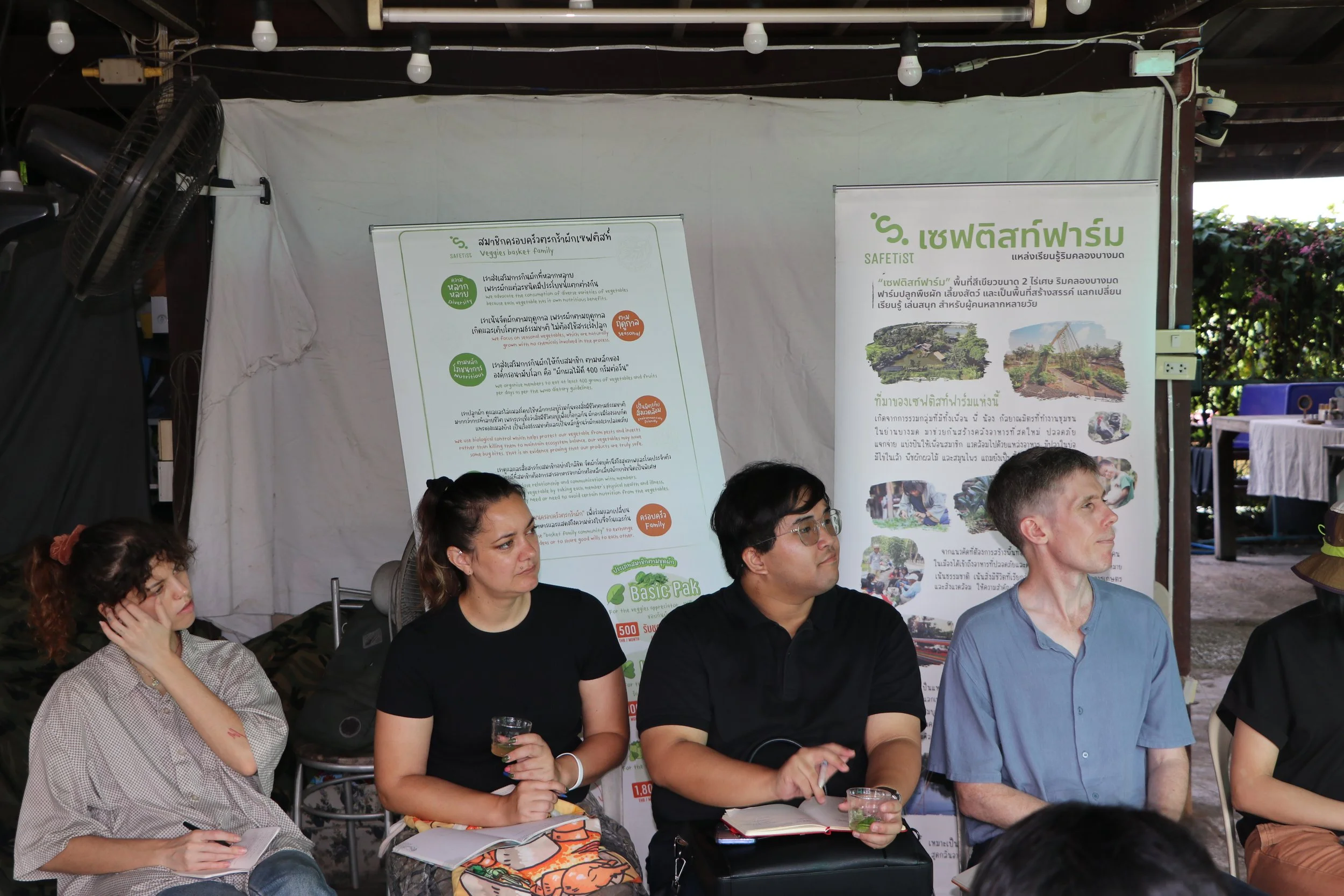
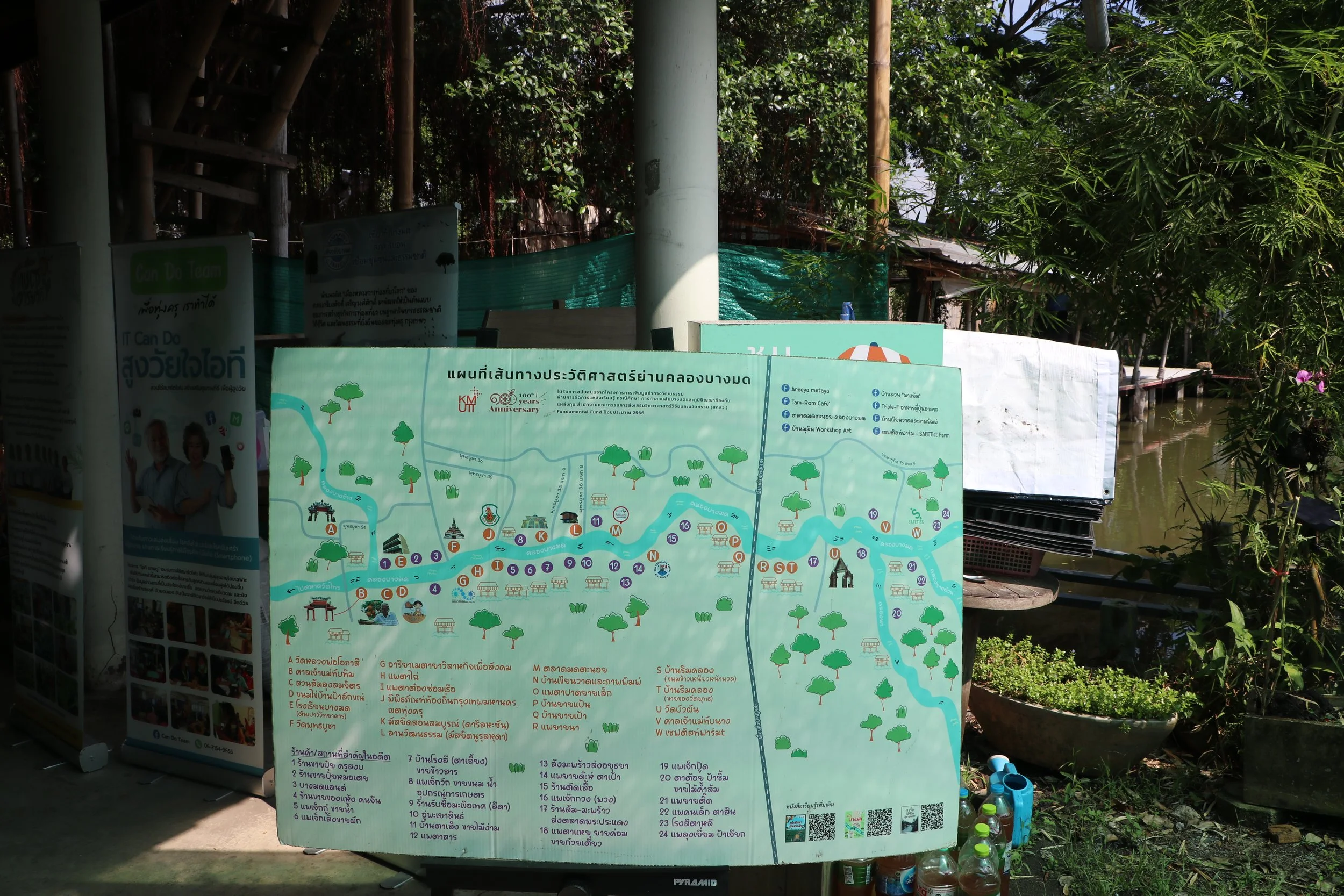
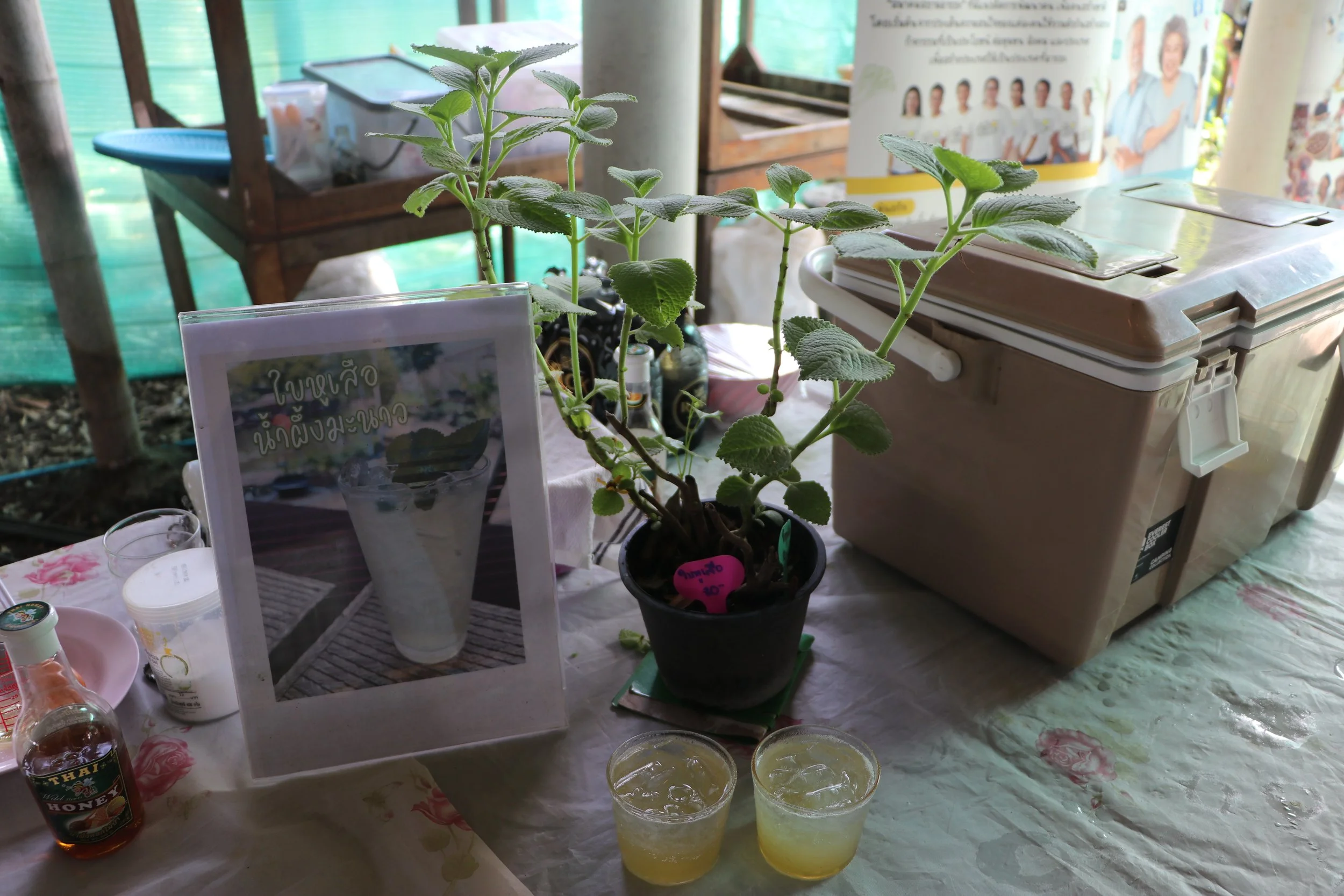
The SAFETist model shows how urban agriculture can strengthen food security while reducing inequality. The team works closely with the nearby Bang Mot communities, collaborating with them in farming-related projects and food distribution, promoting local ecotourism, and other community initiatives. The farm also has a vegetable basket membership program, offering locally grown, affordable and chemical-free produce delivered within 24 hours of harvest. This initiative promotes ethical consumption and food justice, proving that sustainable food systems can thrive even in urban areas. Beyond food production, the SAFETist Farm team also contributes towards preserving the Bang Mot Canal through eco-tourism, including kayaking routes and community workshops. These activities not only generate income for local residents but also help keep the canal and surrounding green spaces vibrant and healthy.

Through this field visit, MAIDS students gained valuable insights into how environmental governance and community participation intersect. The farm’s work - in its aspiration to create a thriving eco-community - embodies key principles of decentralization, resilience, and inclusivity. Students reflected on how small-scale initiatives like SAFETist Farm connect sustainable agriculture to low-carbon urban development, and how sustainability is ultimately about people, cooperation, and the courage to imagine new ways of living.

As the students walked back toward the canal, one thing was clear that SAFETist Farm is more than a project. It is a vision of how urban communities can thrive, where sustainability begins with people and the environment living well together.

To learn more about SAFETist Farm here: 

https://www.facebook.com/safetistfarm/?checkpoint_src=any

EI EI LIN

Communication Coordinator

MAIDS-GRID Program


Exploring Grassroots Innovation: Field Visit to the Zero Baht Shop

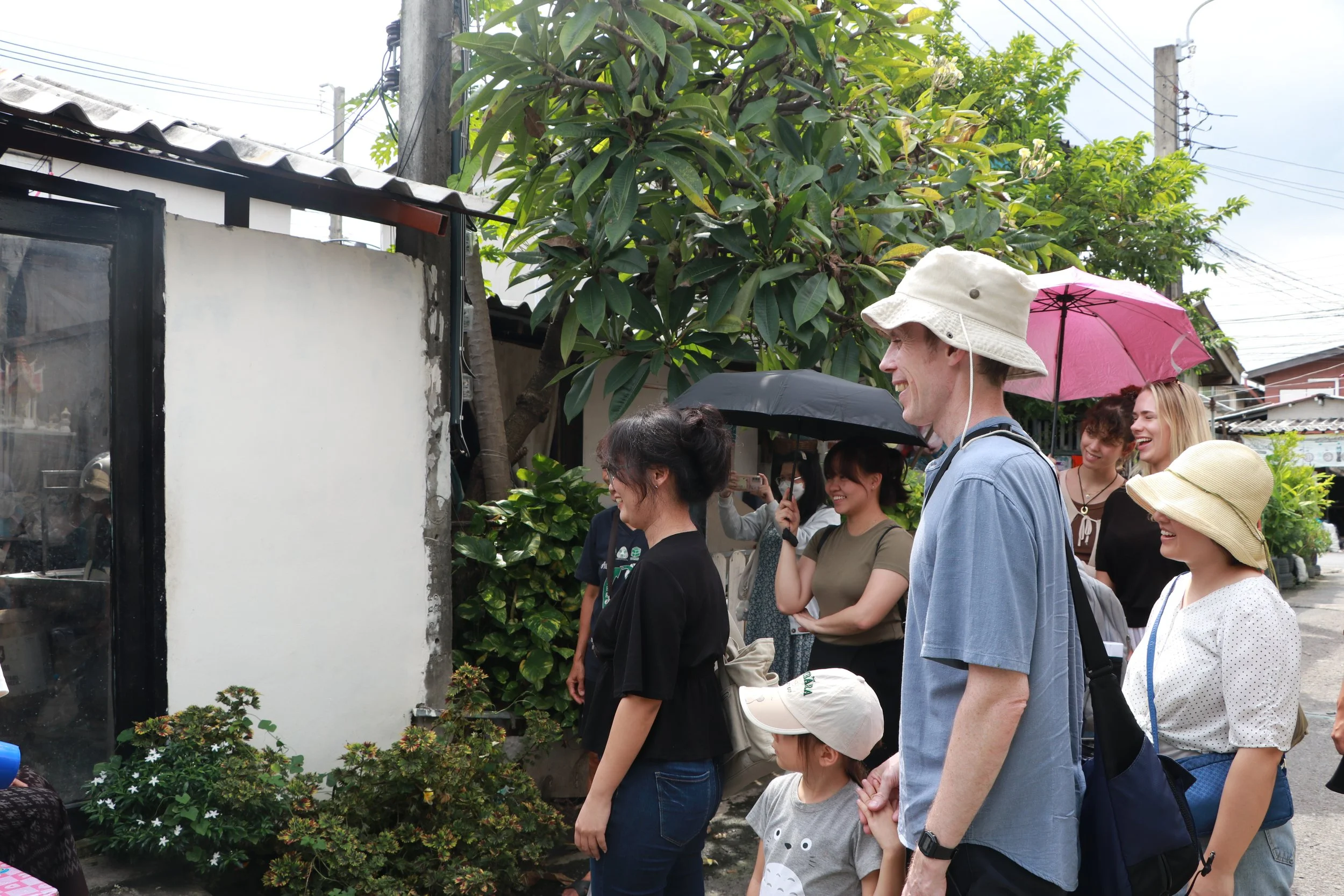
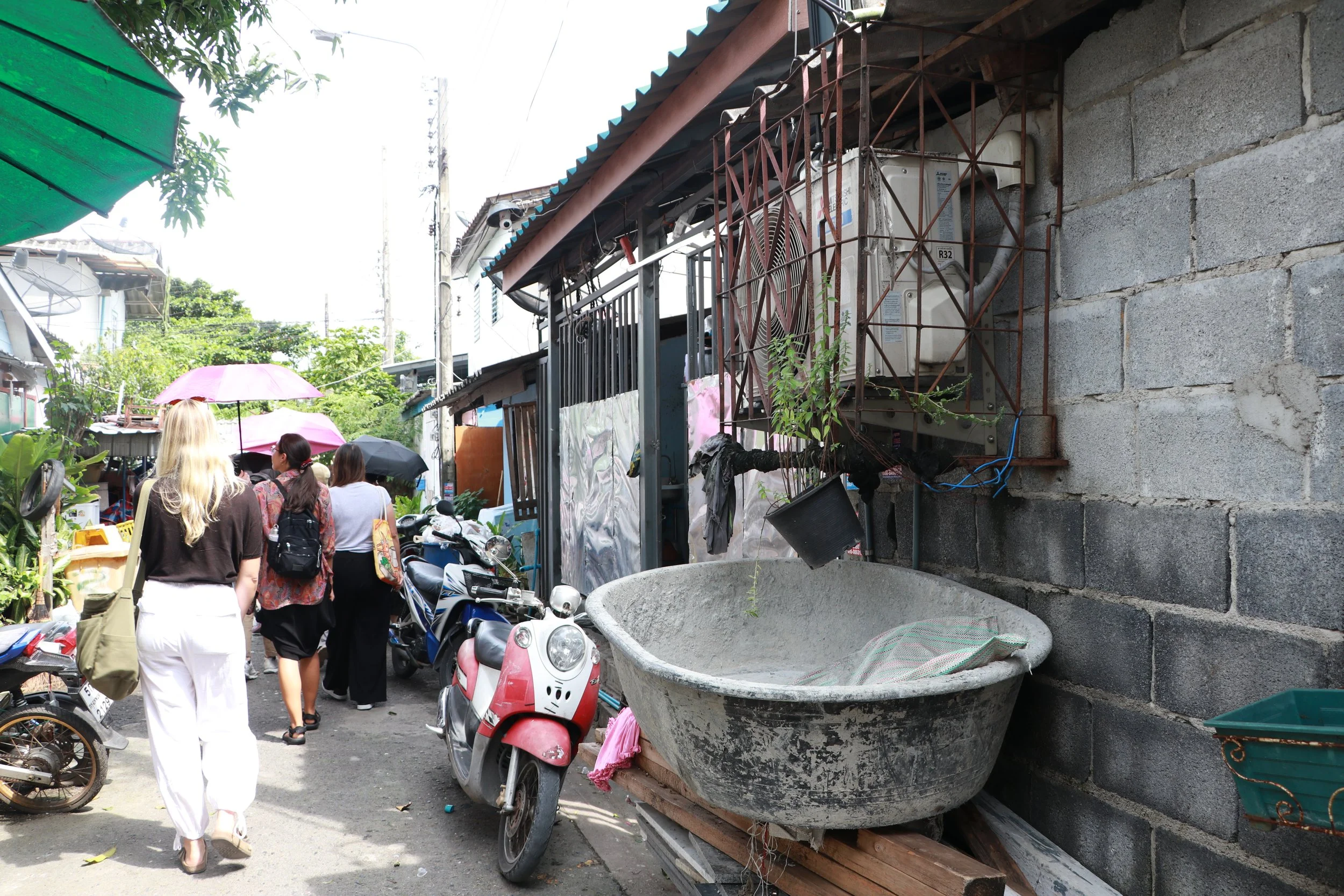
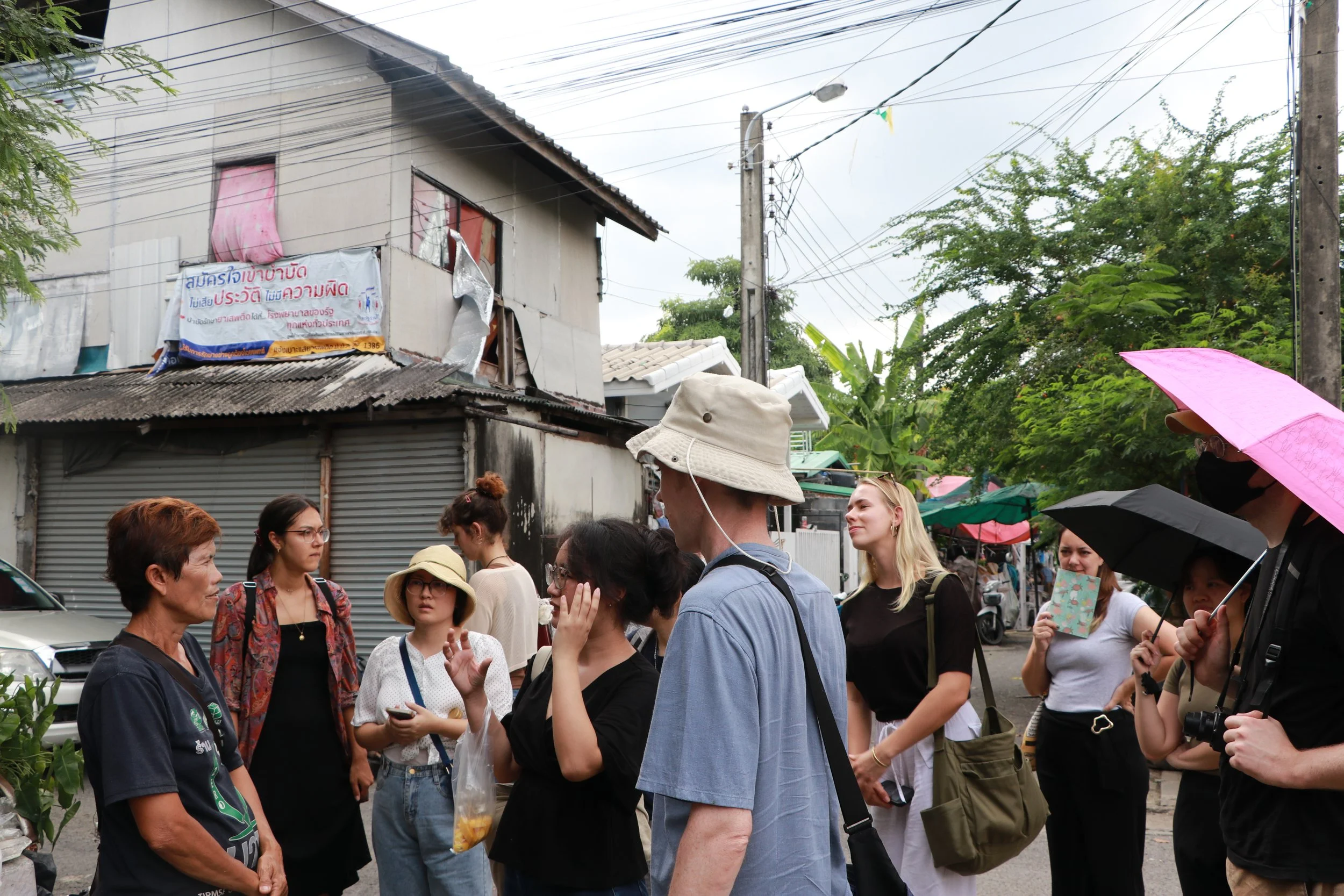
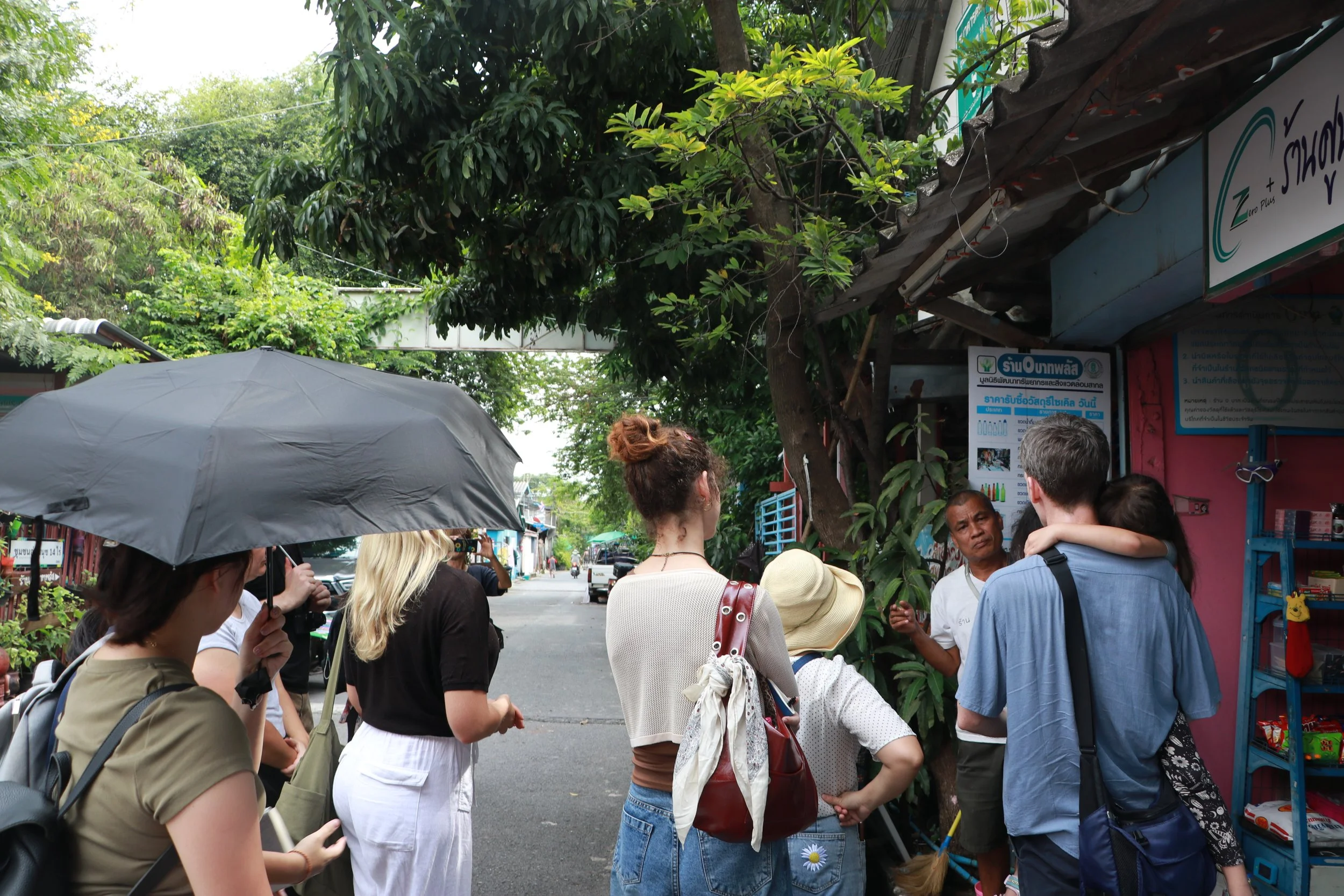
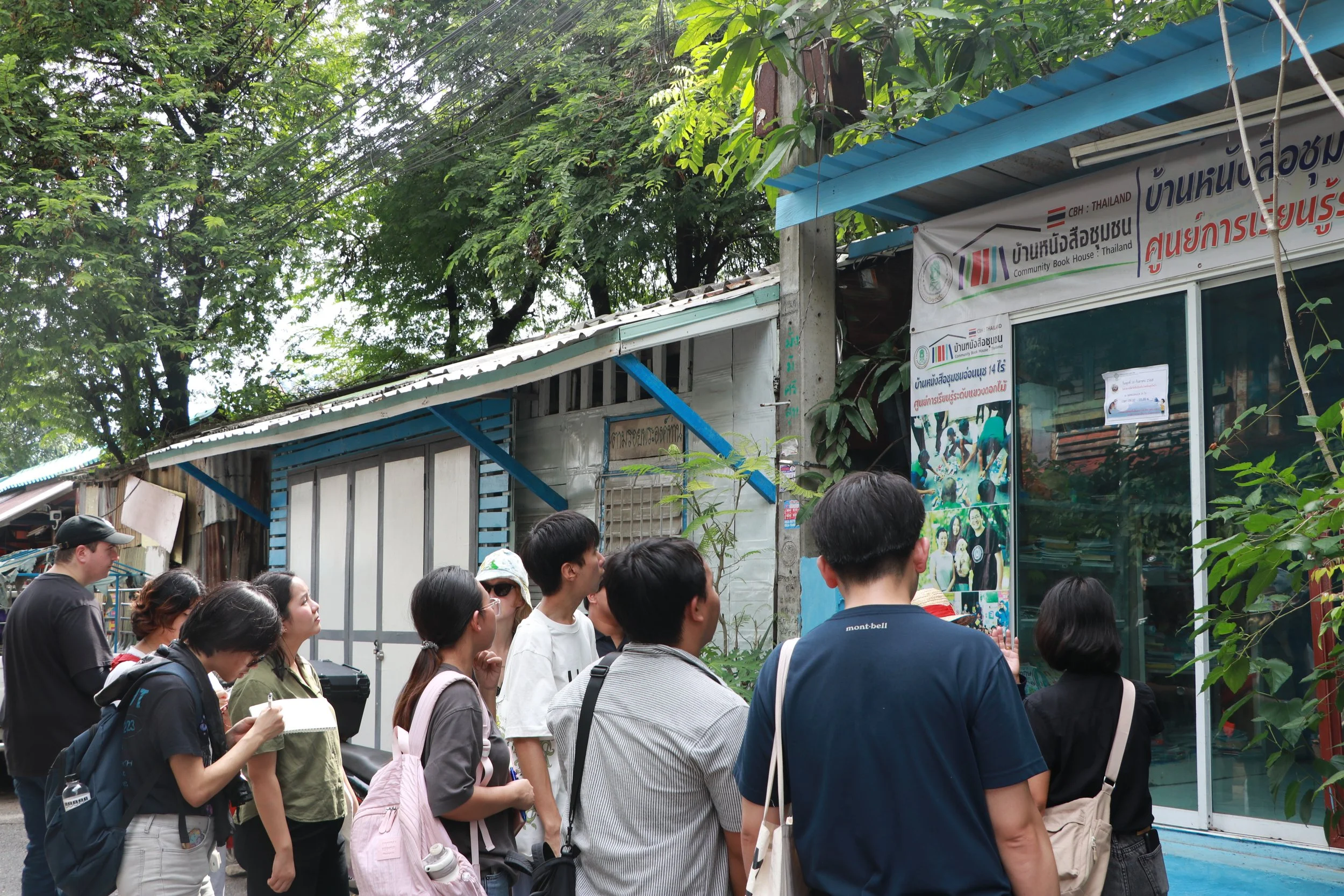
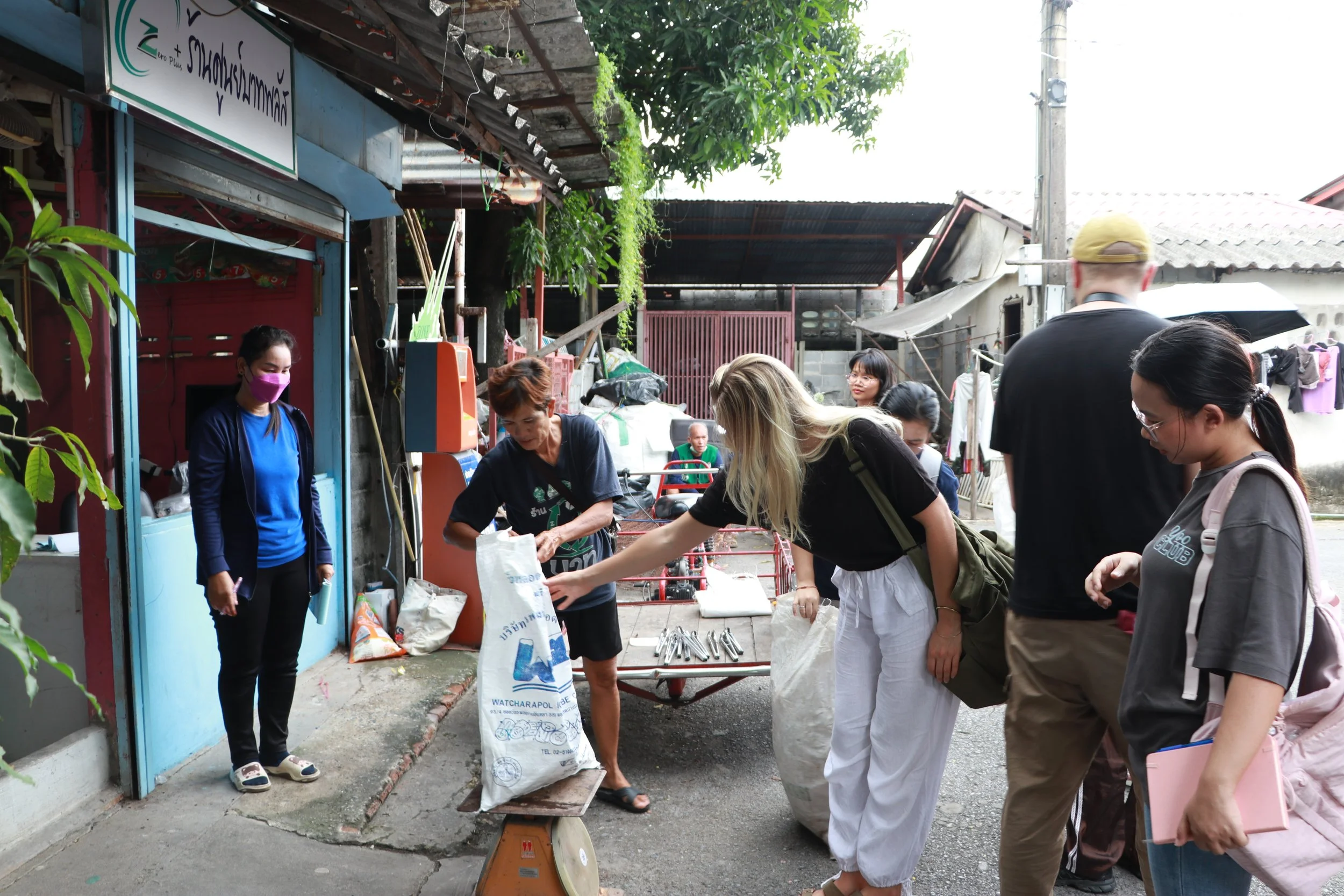
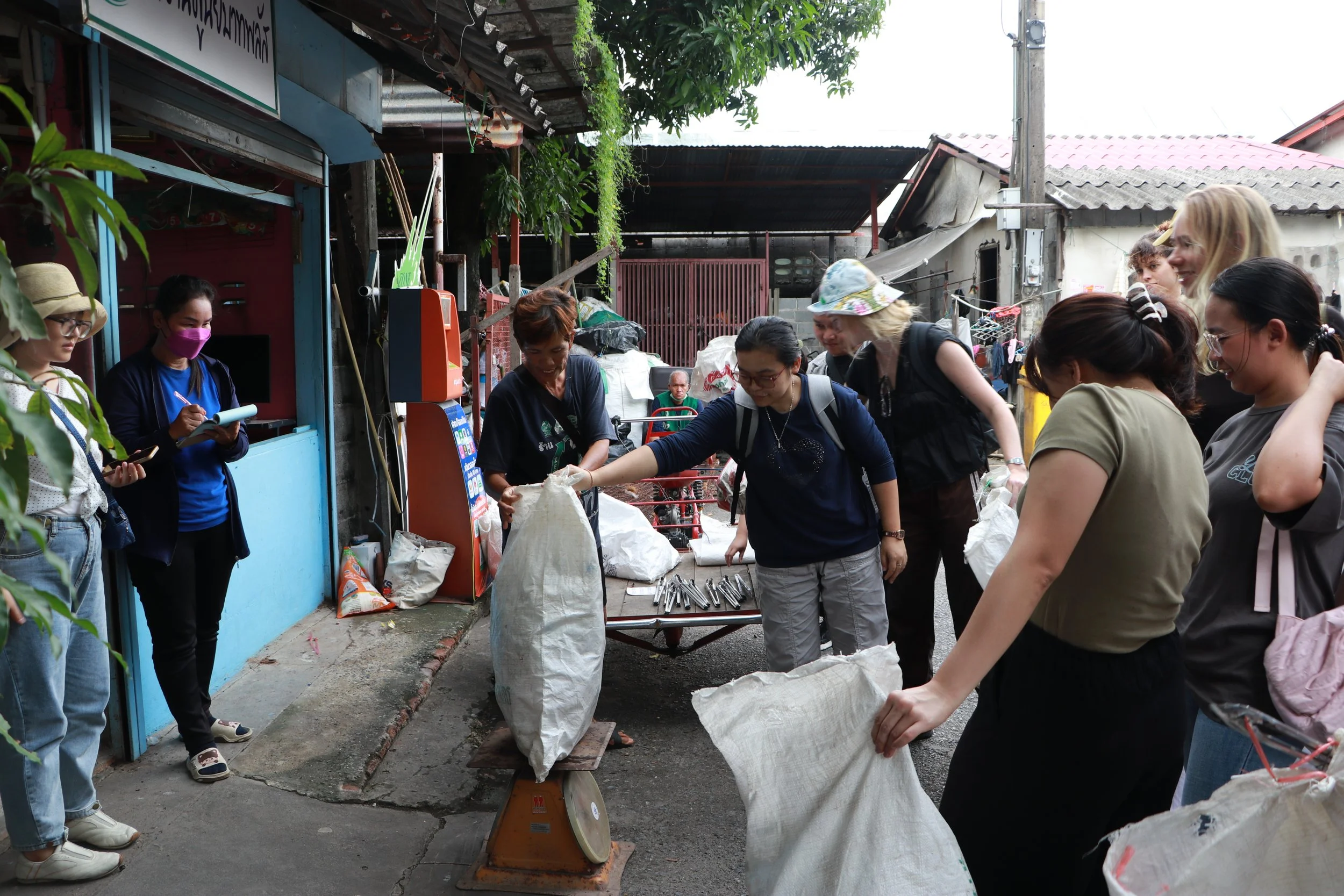
How does development theory translate into real-world change? On October 10, 2025, graduate students from the MAIDS-GRID Program at Chulalongkorn University sought answers at the heart of a thriving community initiative - ‘the Zero Baht Shop’ - in Bangkok’s Prawet district. This field visit moved learning beyond textbooks, offering a on-the-ground example of how grassroots innovation can seamlessly integrate environmental sustainability with social and economic empowerment. 

A Shop Where Waste is a Currency for Change

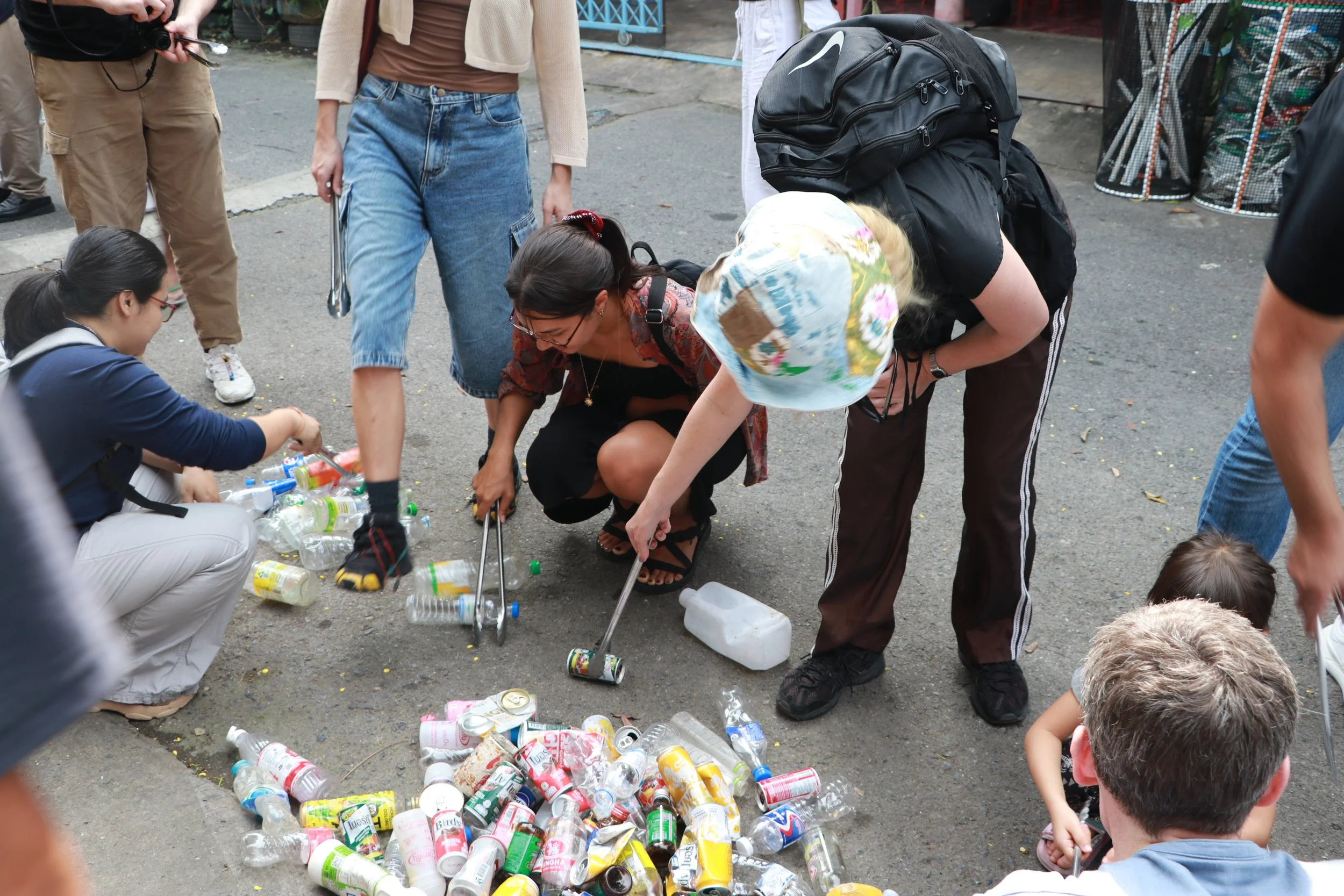
Founded in 2007 by the visionary community leader Peerathorn Seniwong (P’Thorn), the Zero Baht Shop operates on a simple yet powerful principle: community members can exchange recyclable materials, such as plastic bottles, paper, and cans, for essential household goods. This innovative model does more than just manage waste; it creates a localized circular economy that turns trash into tangible benefits for local livelihoods. The initiative’s impact, however, extends far beyond its recycling origins, blossoming into a holistic development ecosystem that tackles pressing community needs. 

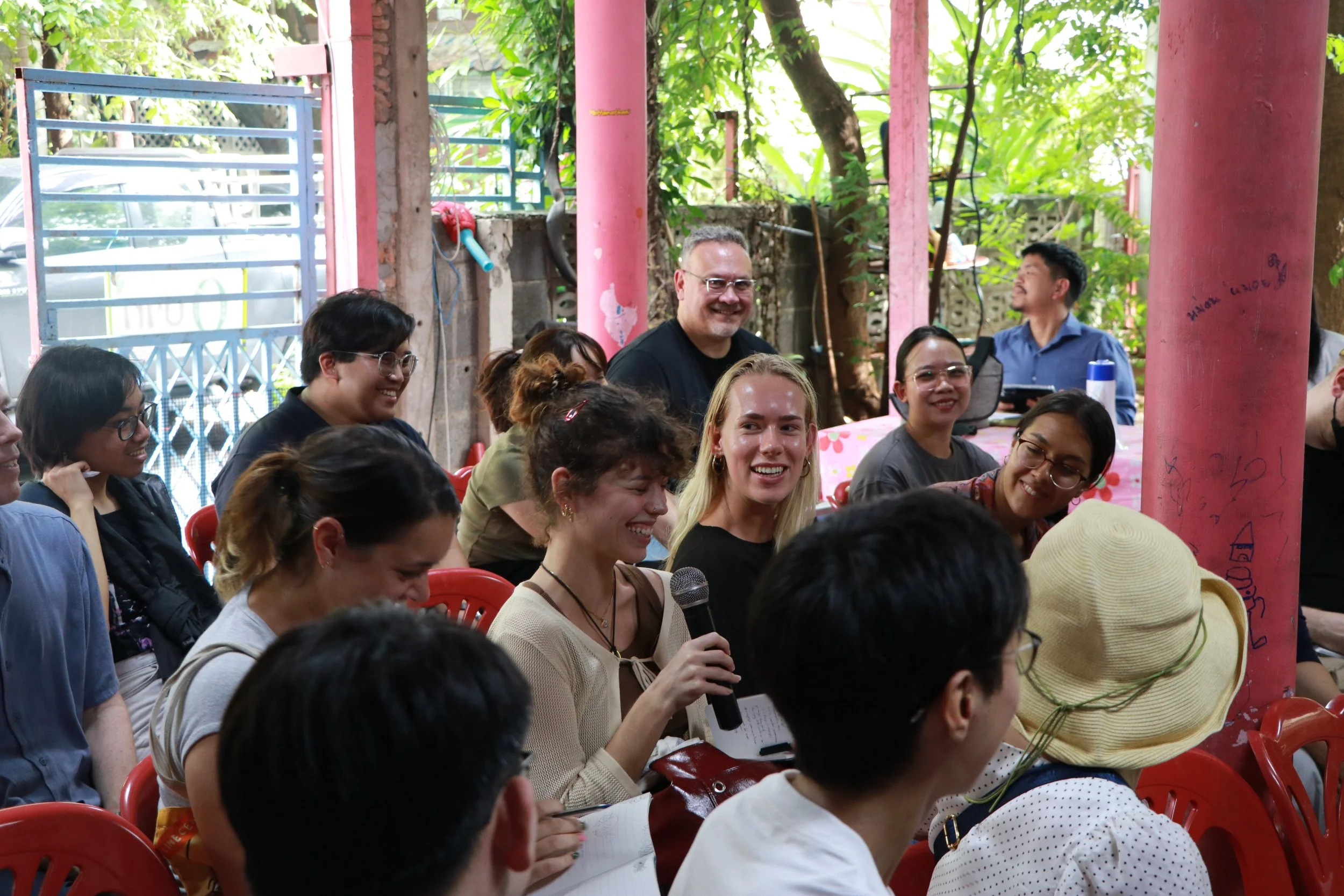
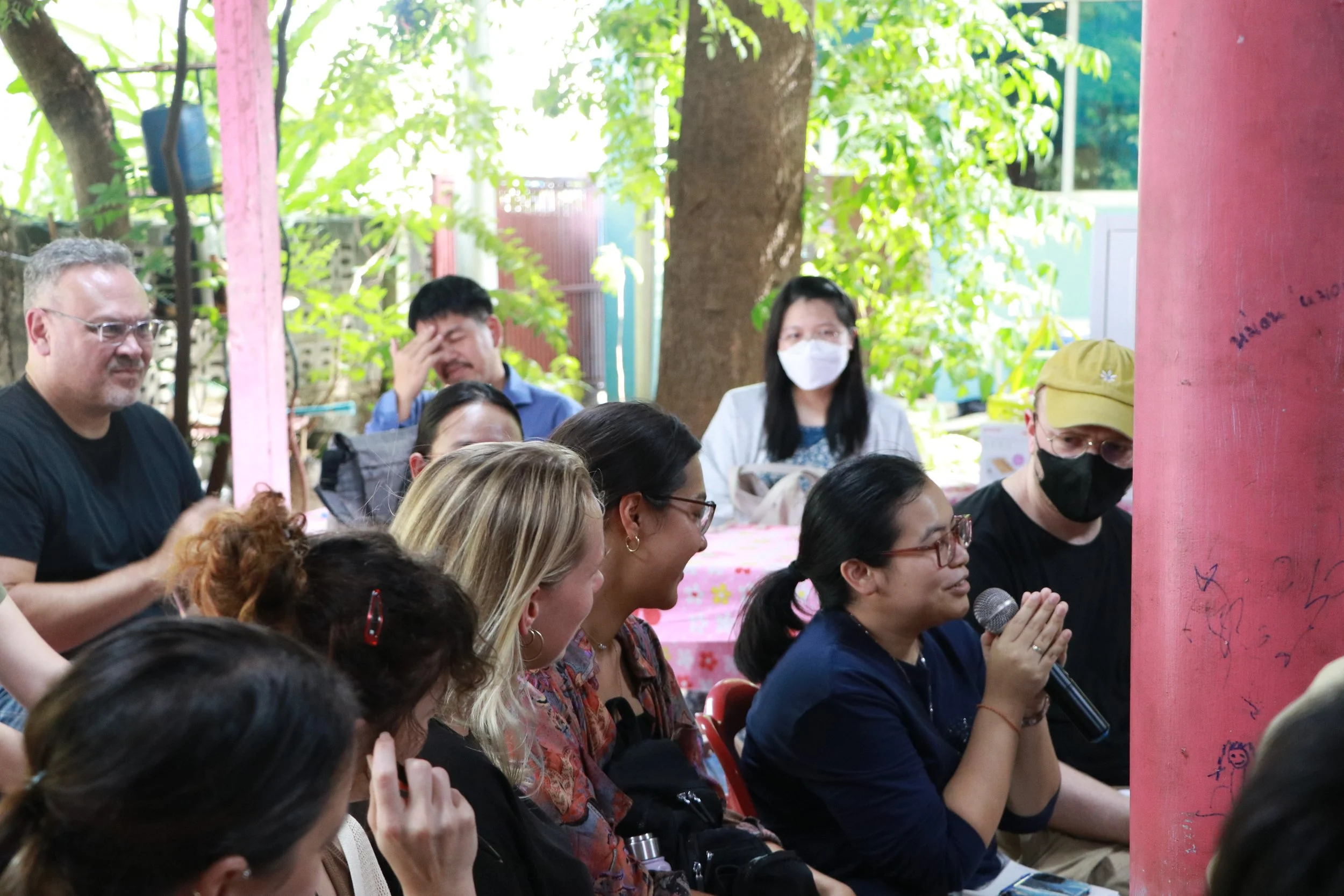
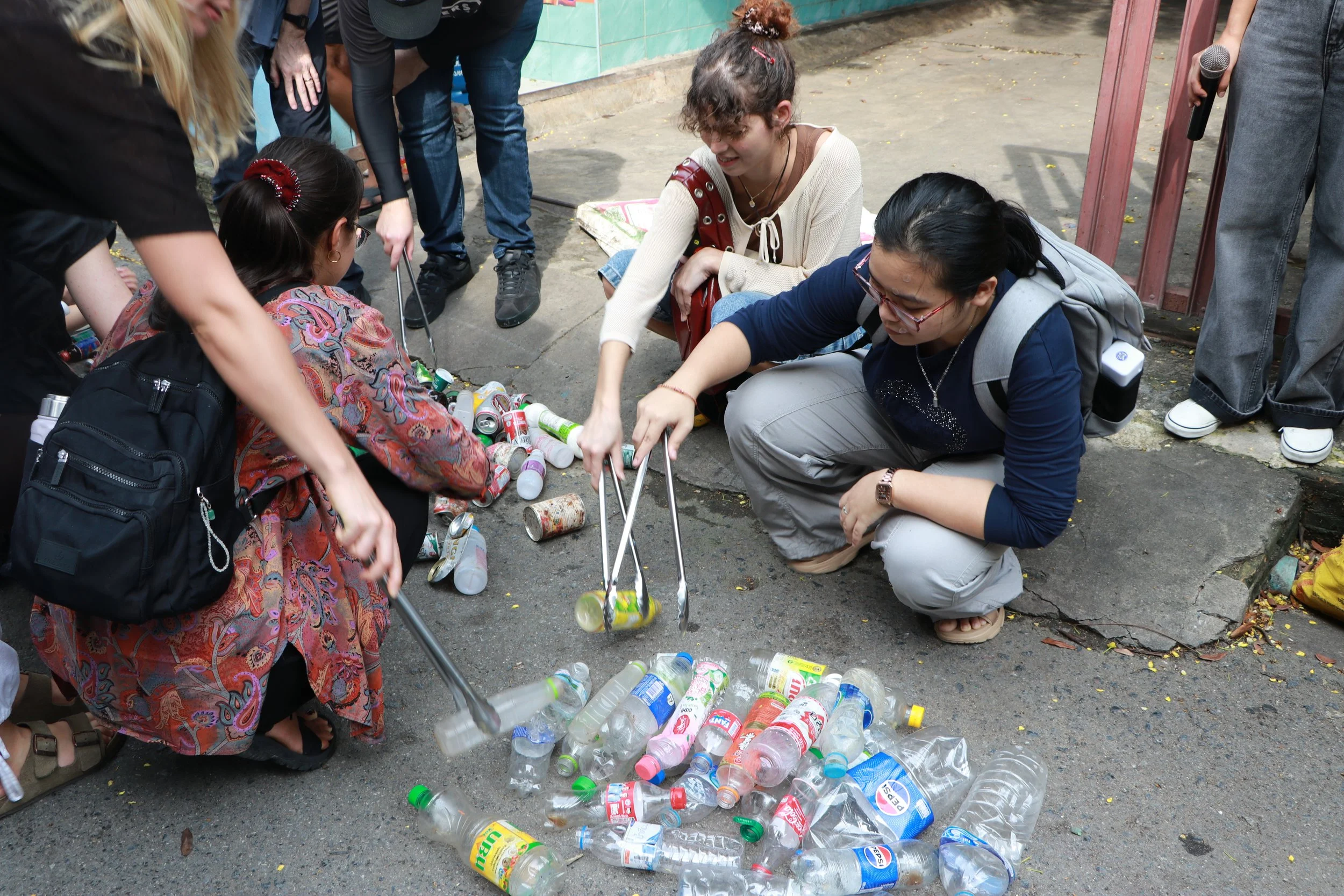
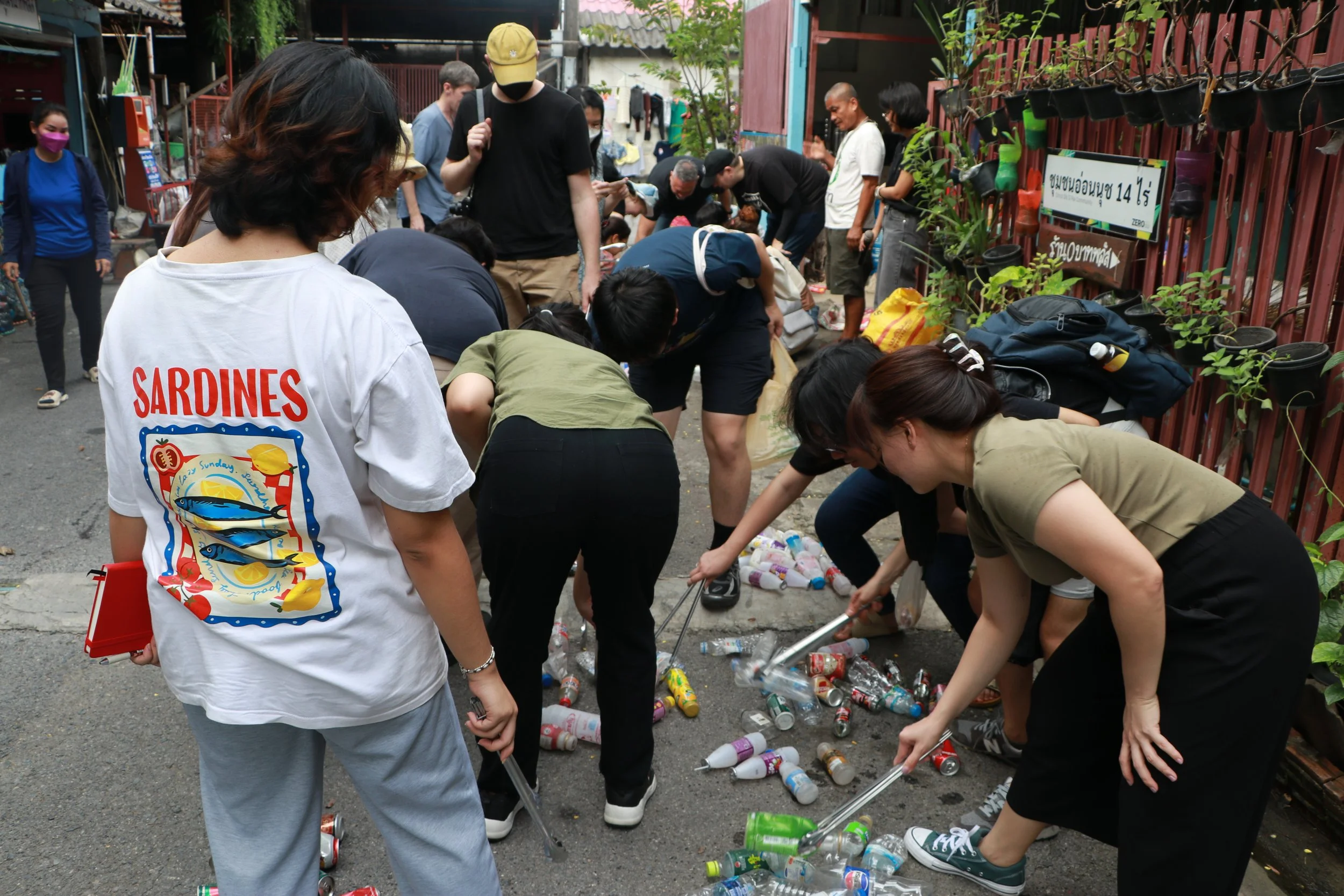
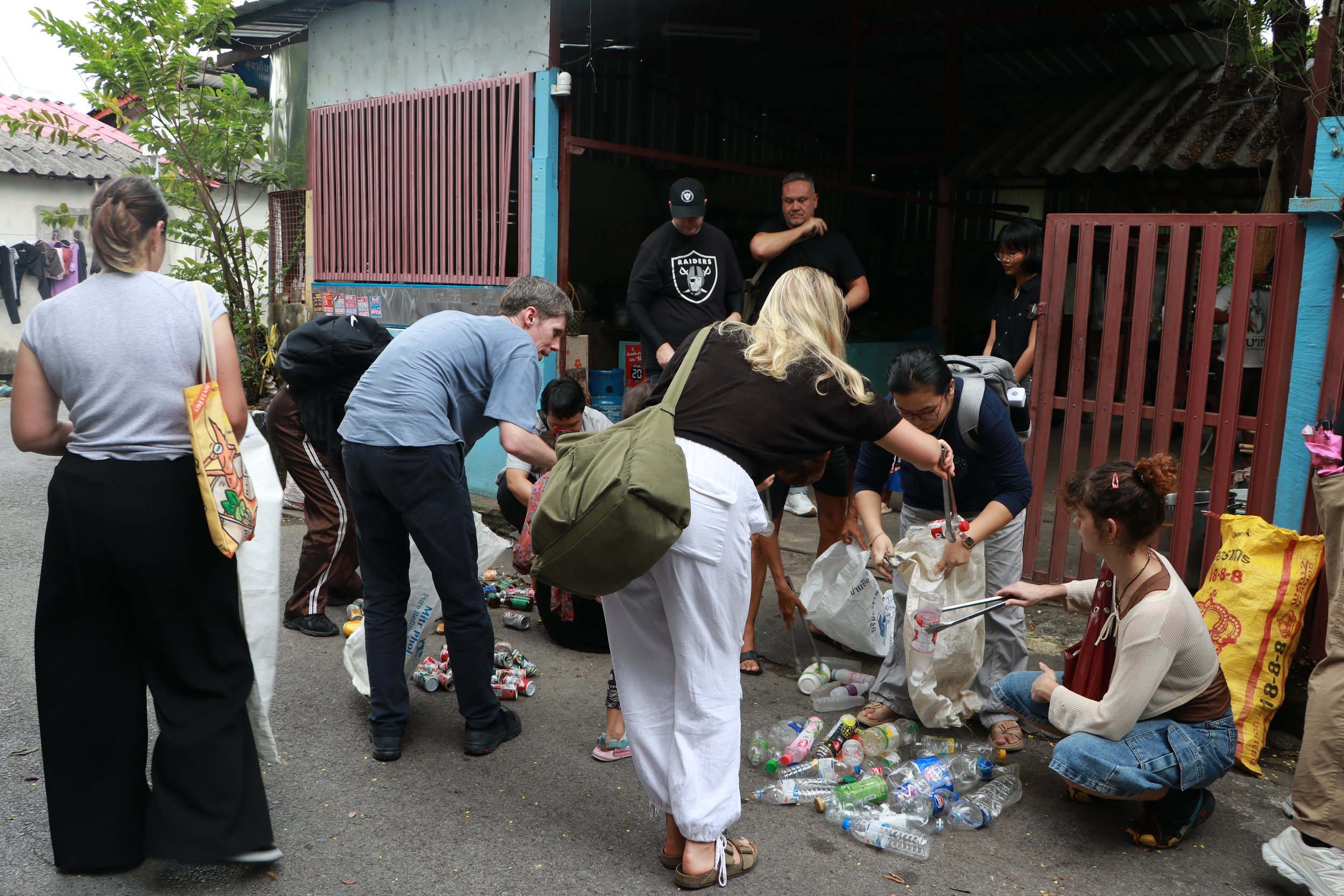
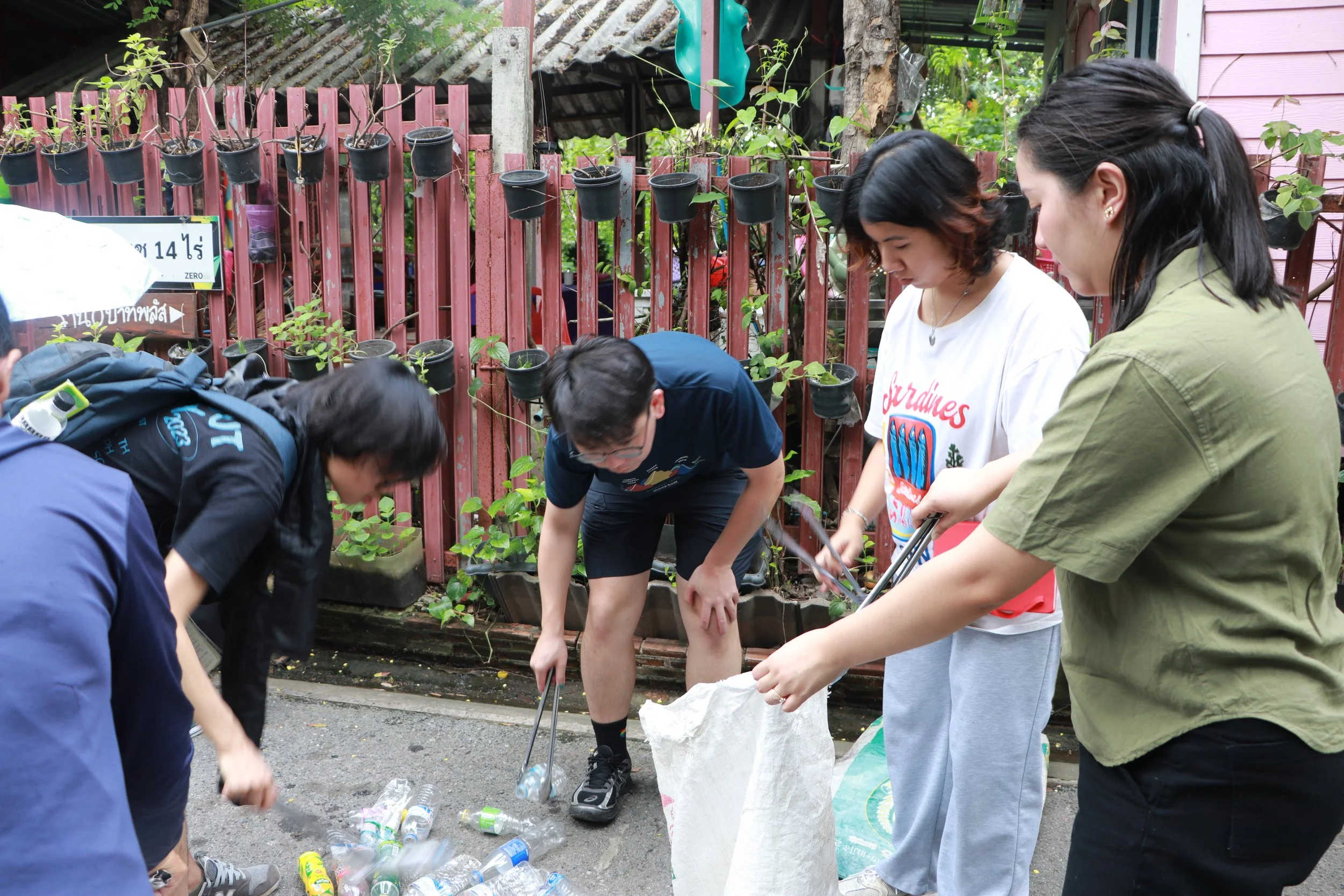
The visit was immersive and interactive. Students didn't just observe; they engaged including learning how to sort recycled materials and on preparing traditional herbal medicines. Through a tour of the activities, deep interaction with community members, and a dynamic Q&A session with P’Thorn and his team, theoretical concepts took on new meaning. Group discussions buzzed as students reflected on the visible role of social capital, empathetic leadership, and the power of collective action in driving community transformation.

The experience at the Zero Baht Shop left a powerful impression: sustainable development is most effective when it is rooted in the community. It reinforced the critical importance of bottom-up approaches that are responsive to local needs and contexts.This visit was a powerful reminder that the most profound solutions often emerge from within the community itself. The Zero Baht Shop is not just a shop; it's a practical blueprint for inclusive, sustainable, and community-driven transformation.

The Development Theory and Practice course at the MAIDS-GRID Program in Chulalongkorn University is committed to providing students with experiential learning opportunities that bridge the gap between academic theory and real-world practice.

Learn more about the Zero Baht Shop here:

https://www.facebook.com/0bahtshop/?locale=th_TH

EI EI LIN

Communication Coordinator

MAIDS-GRID Program
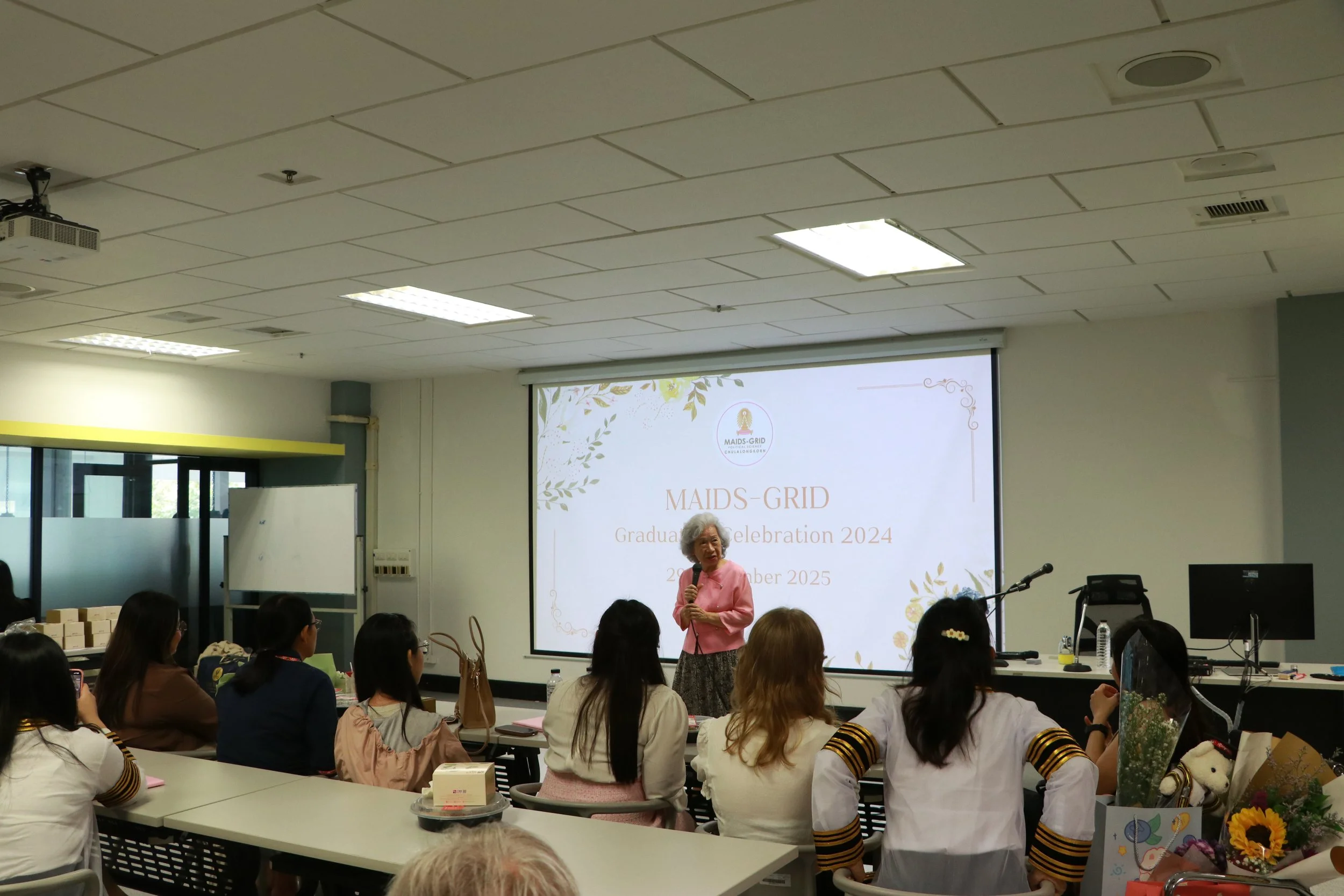
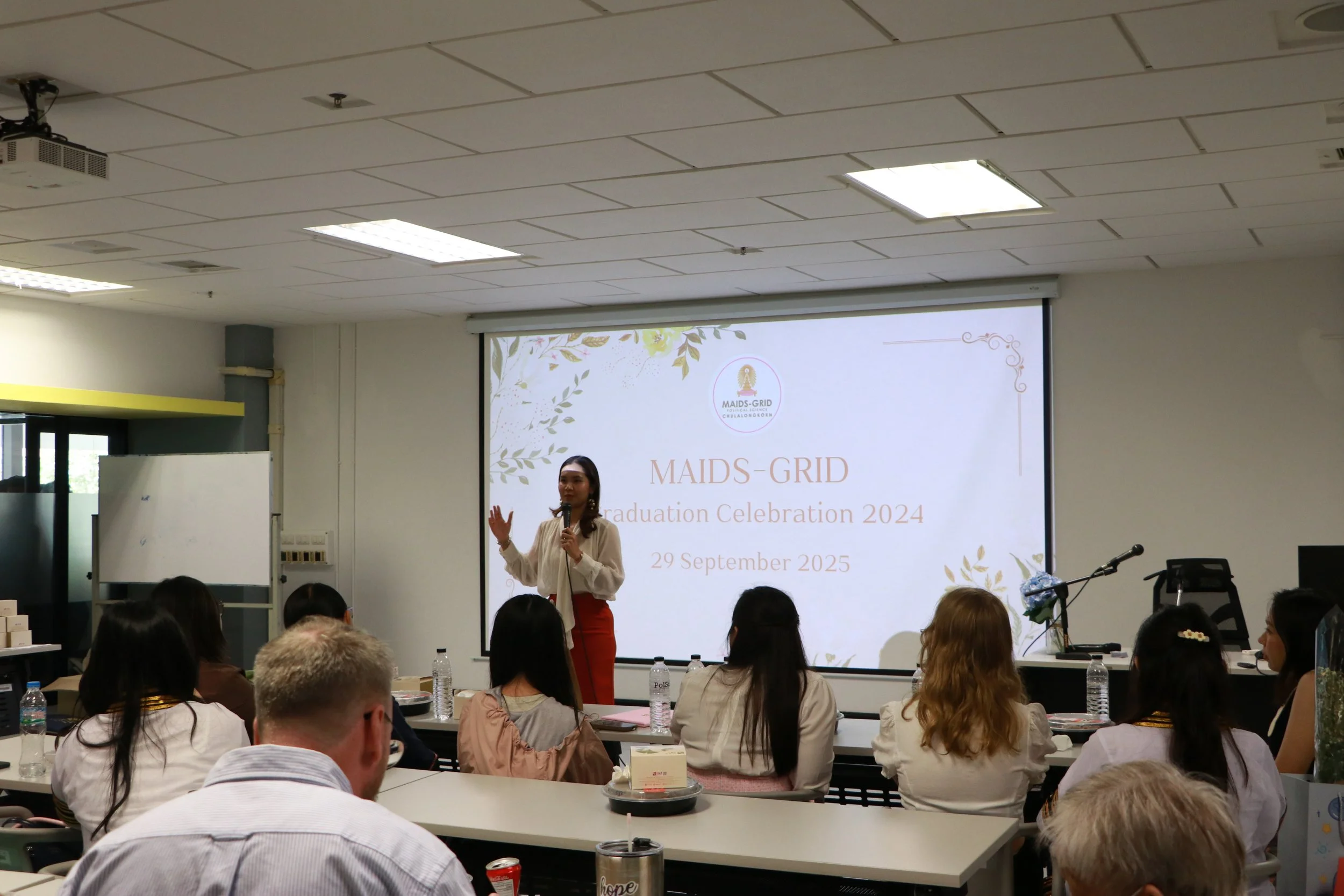
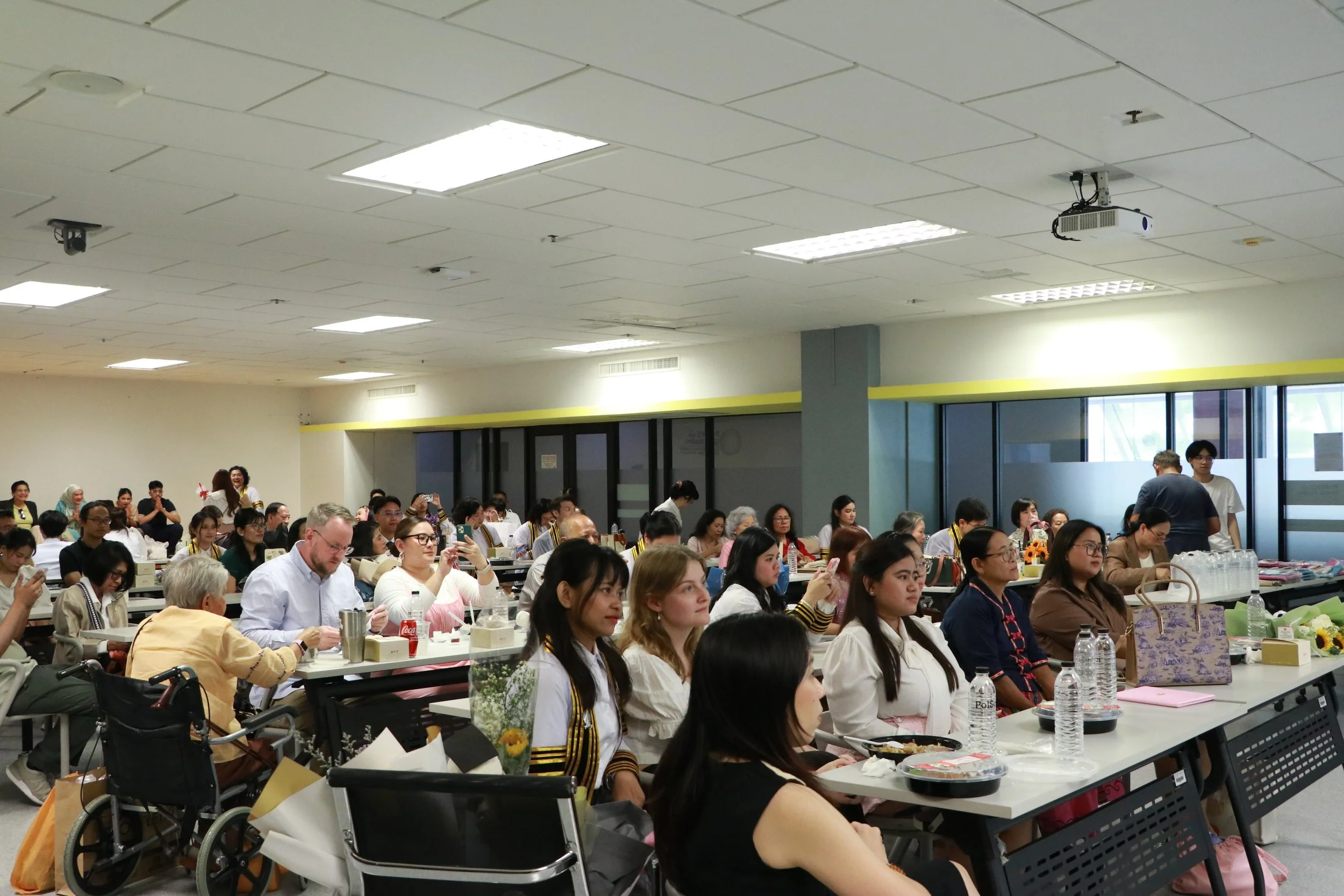
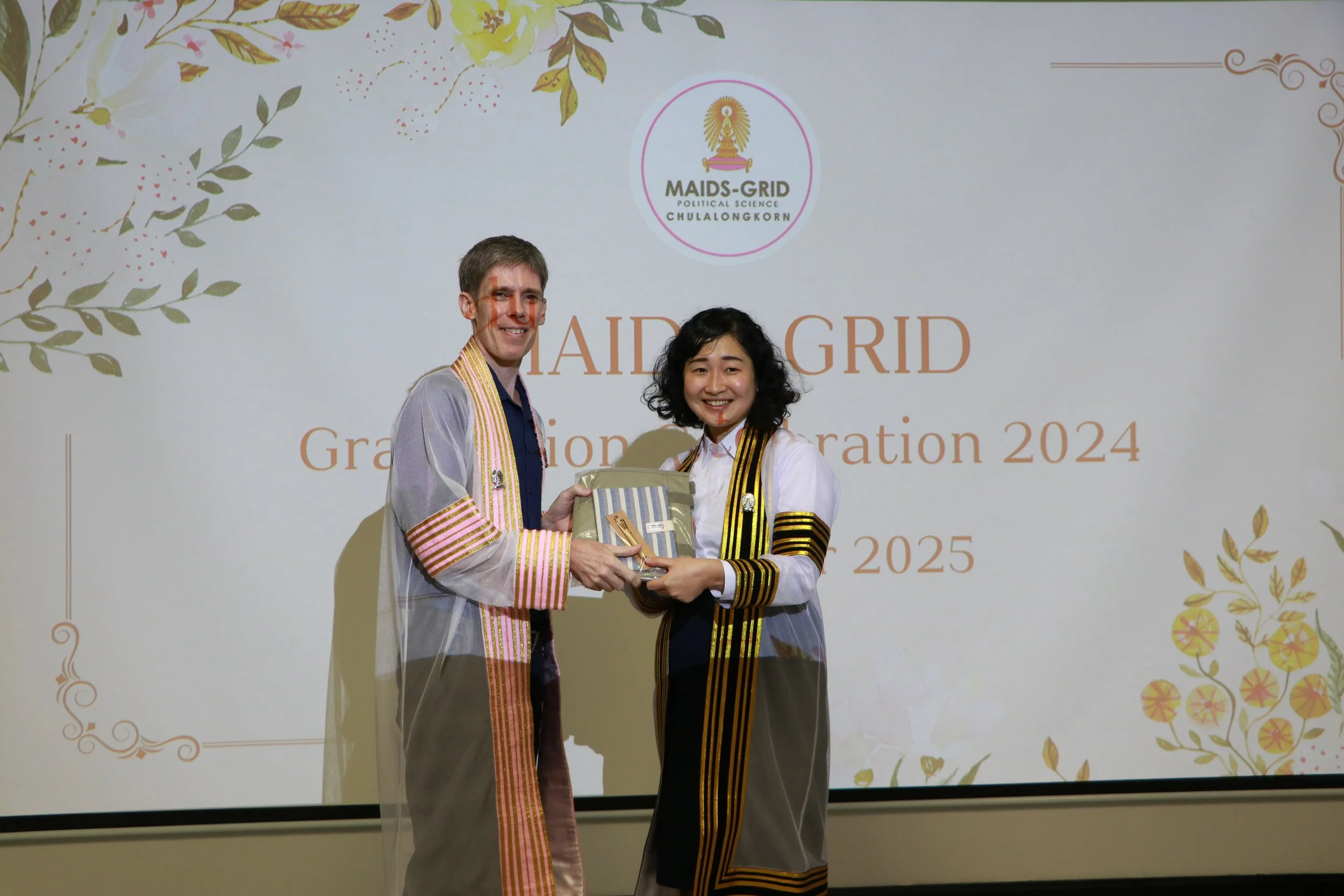
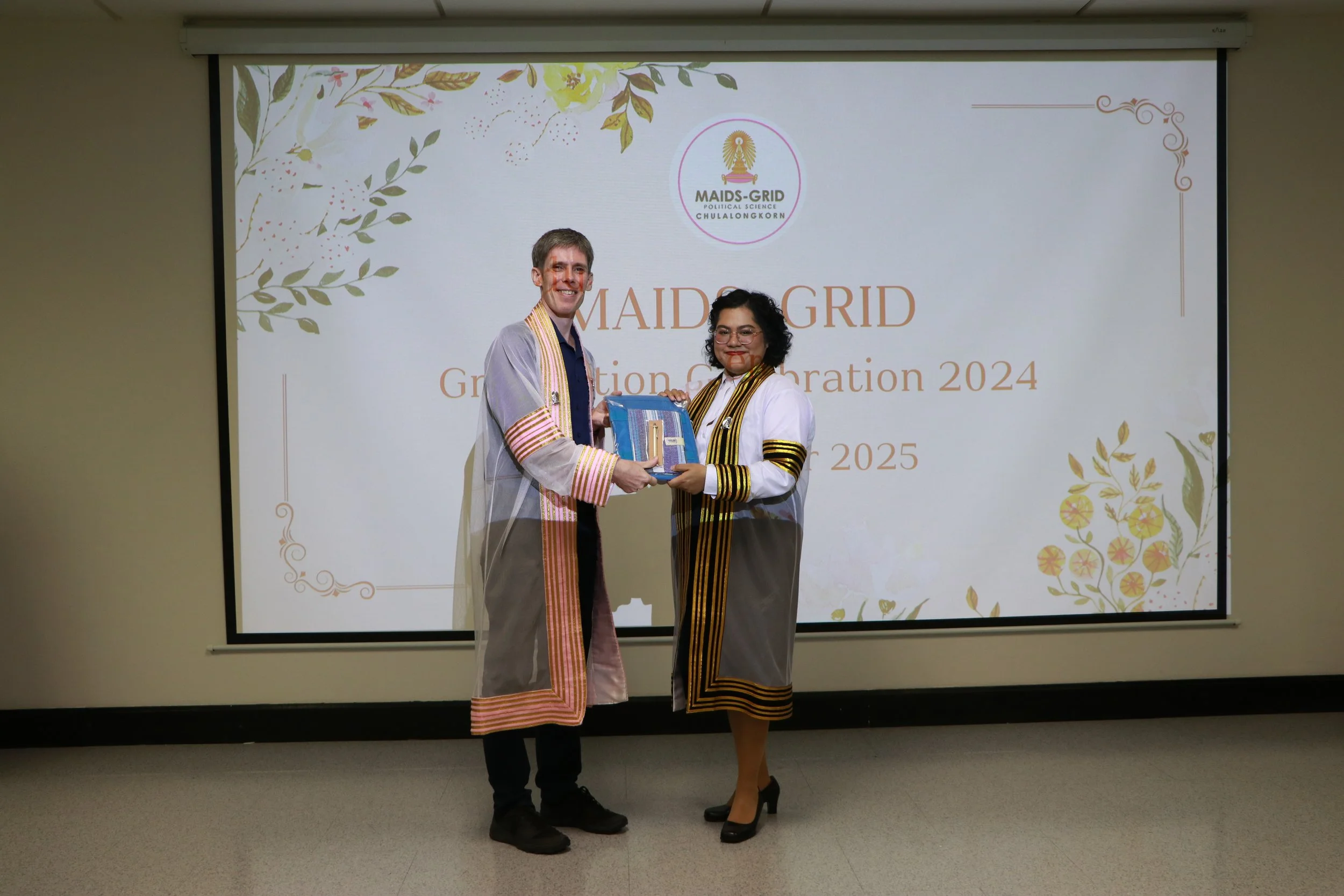
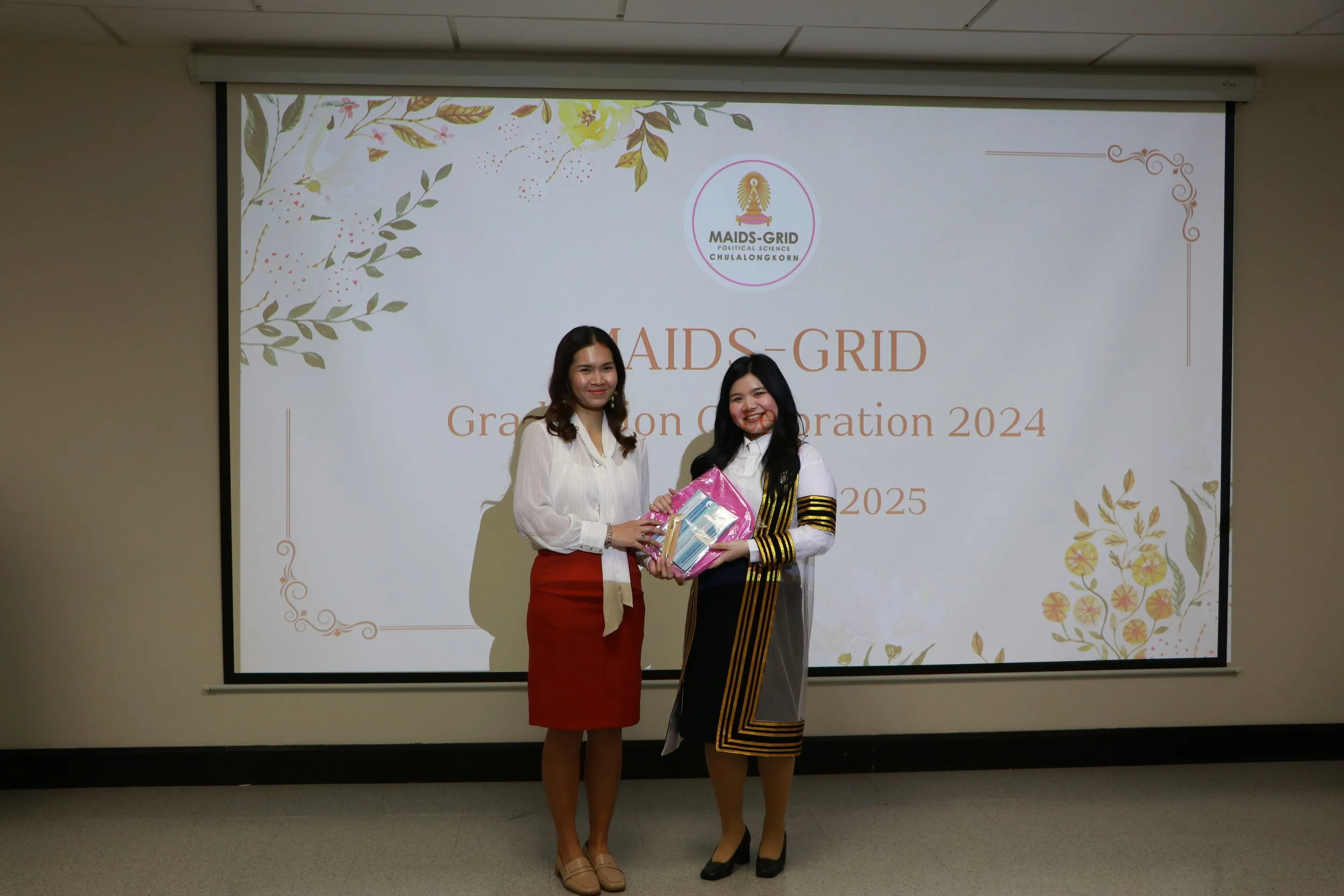
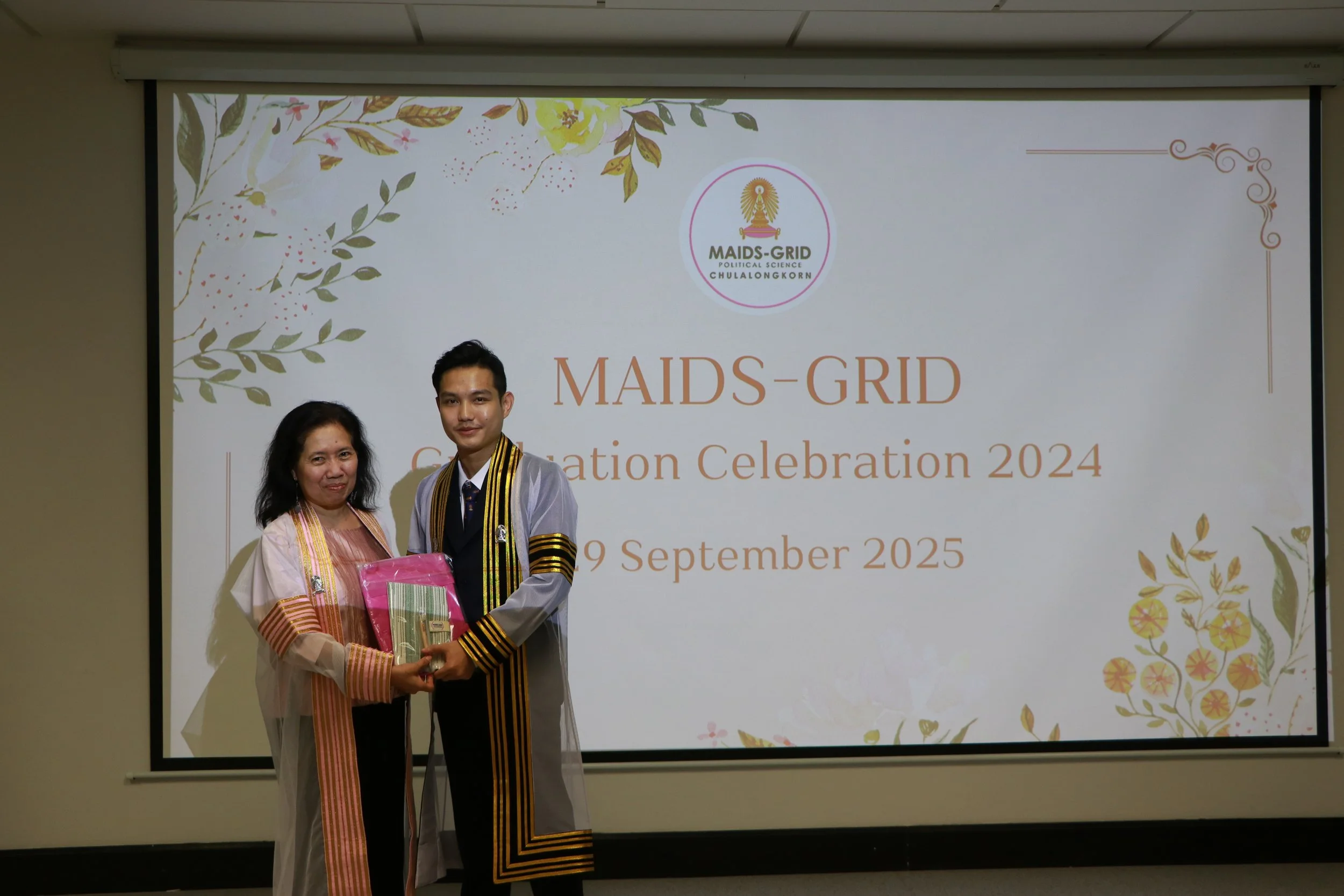
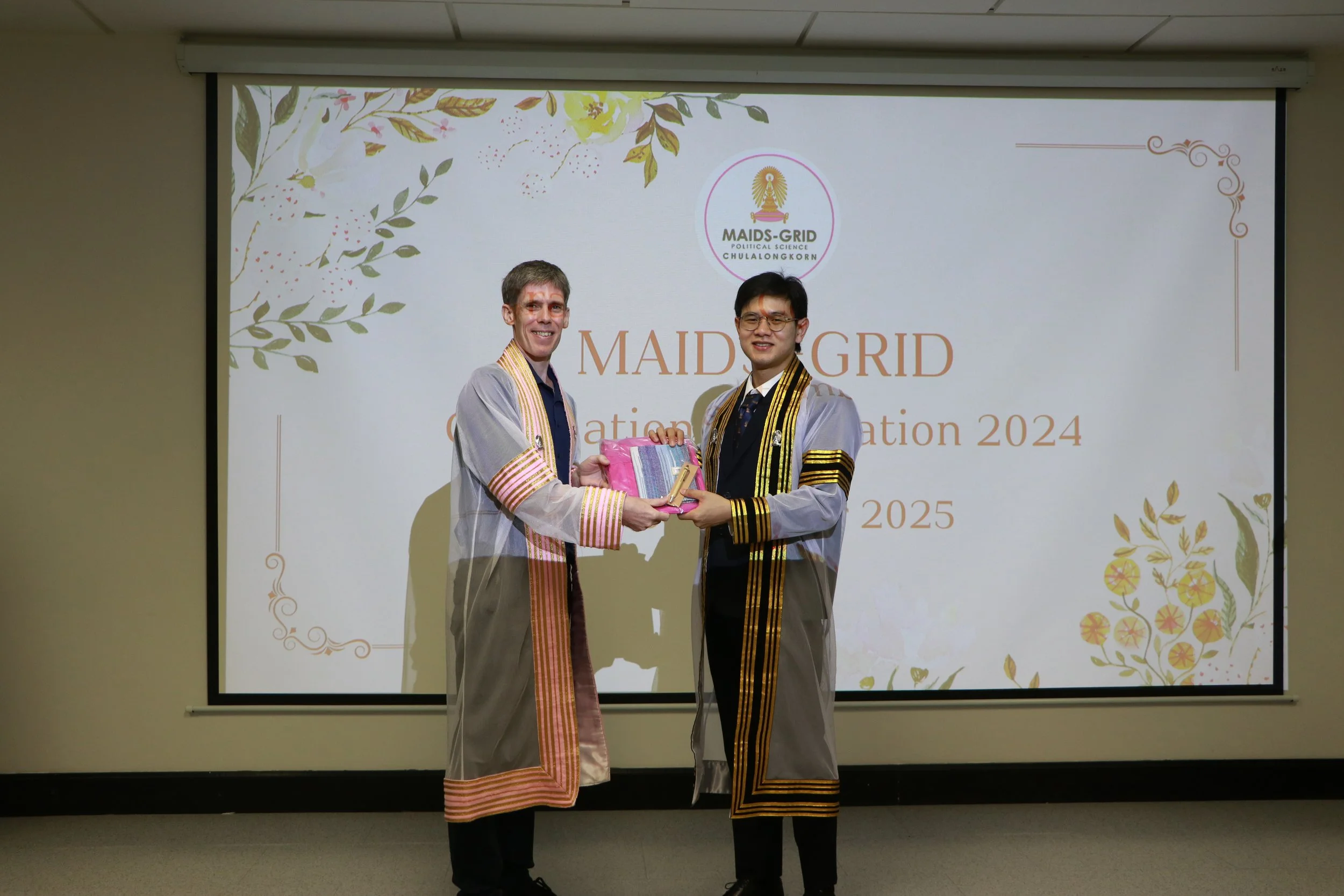
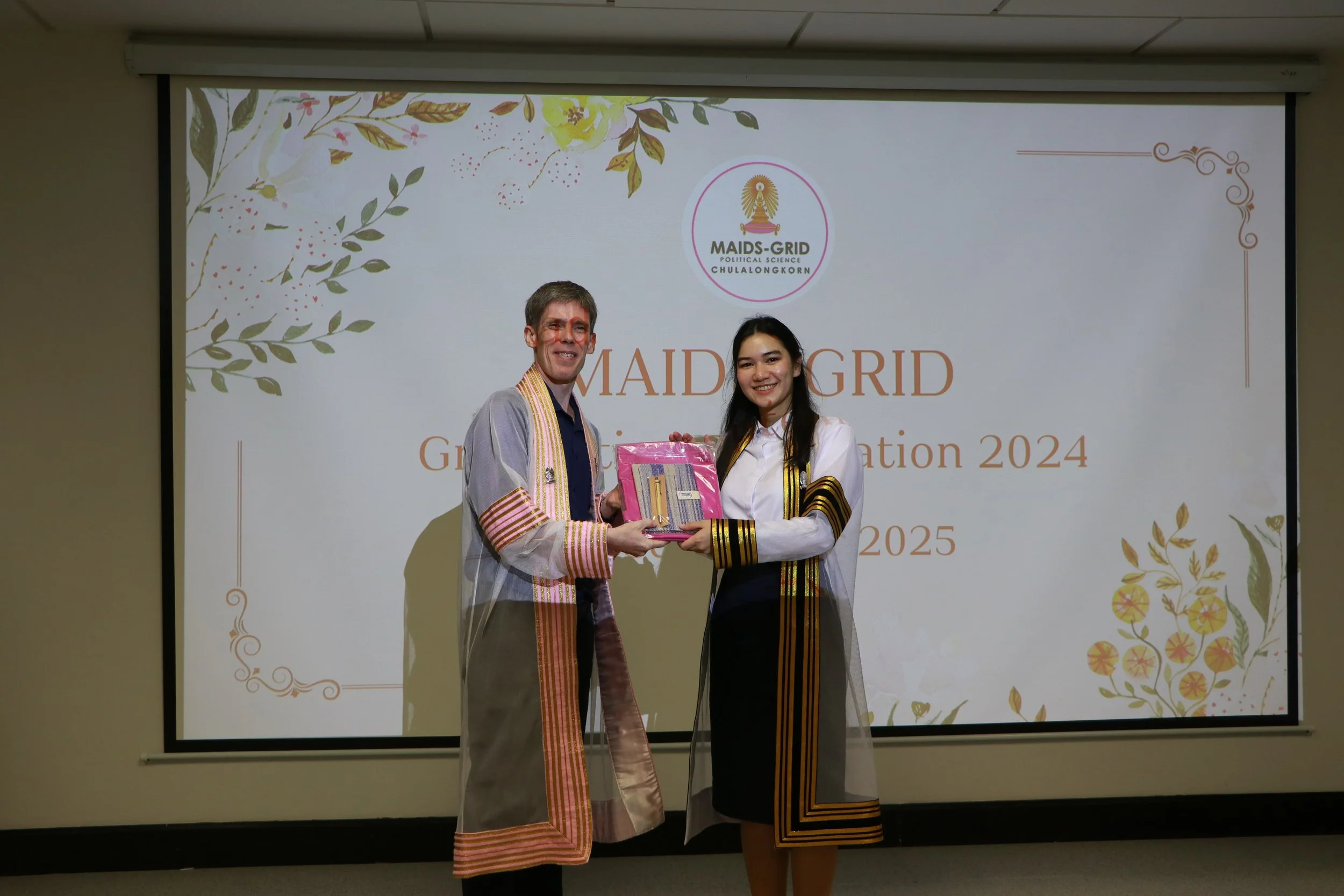
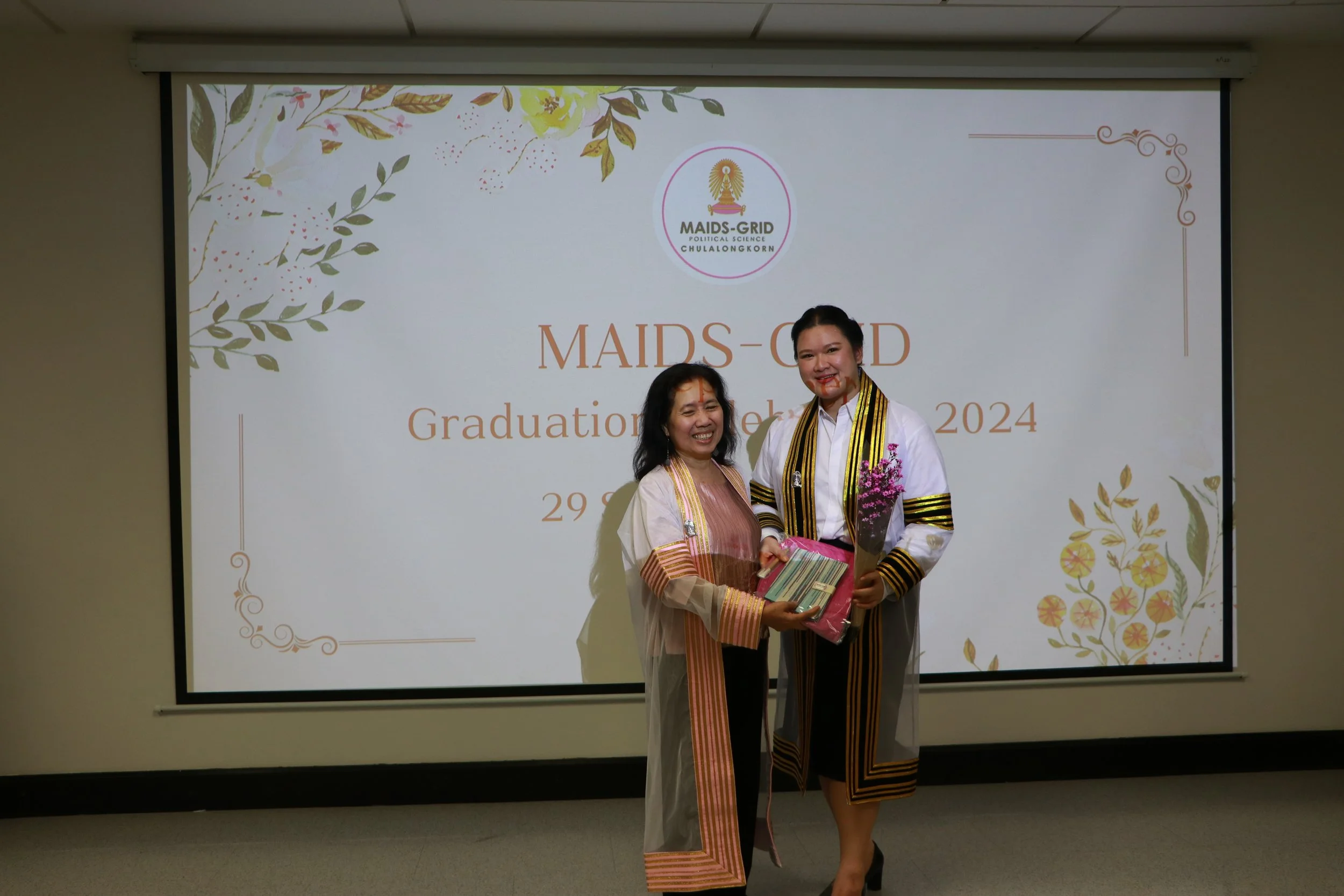
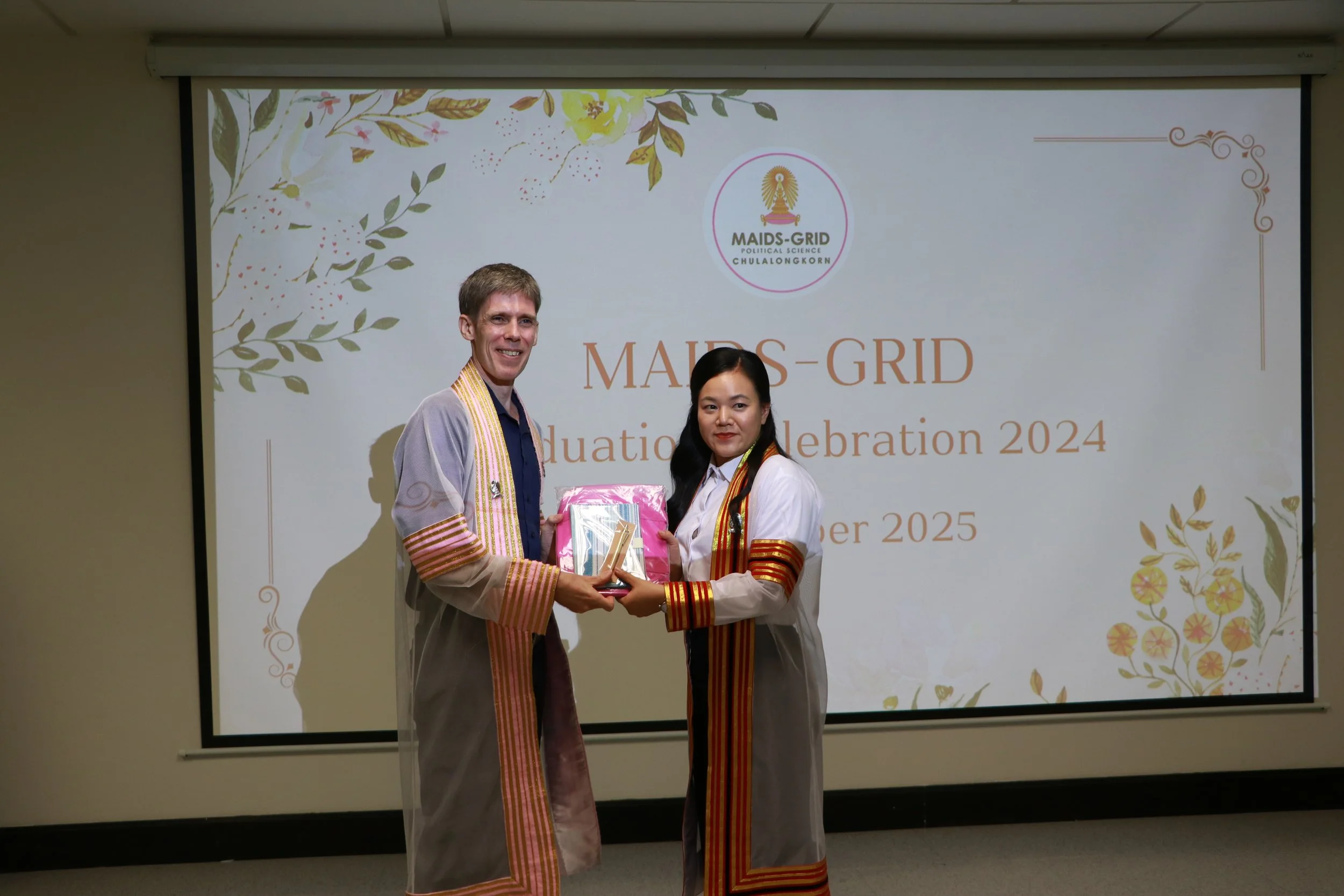
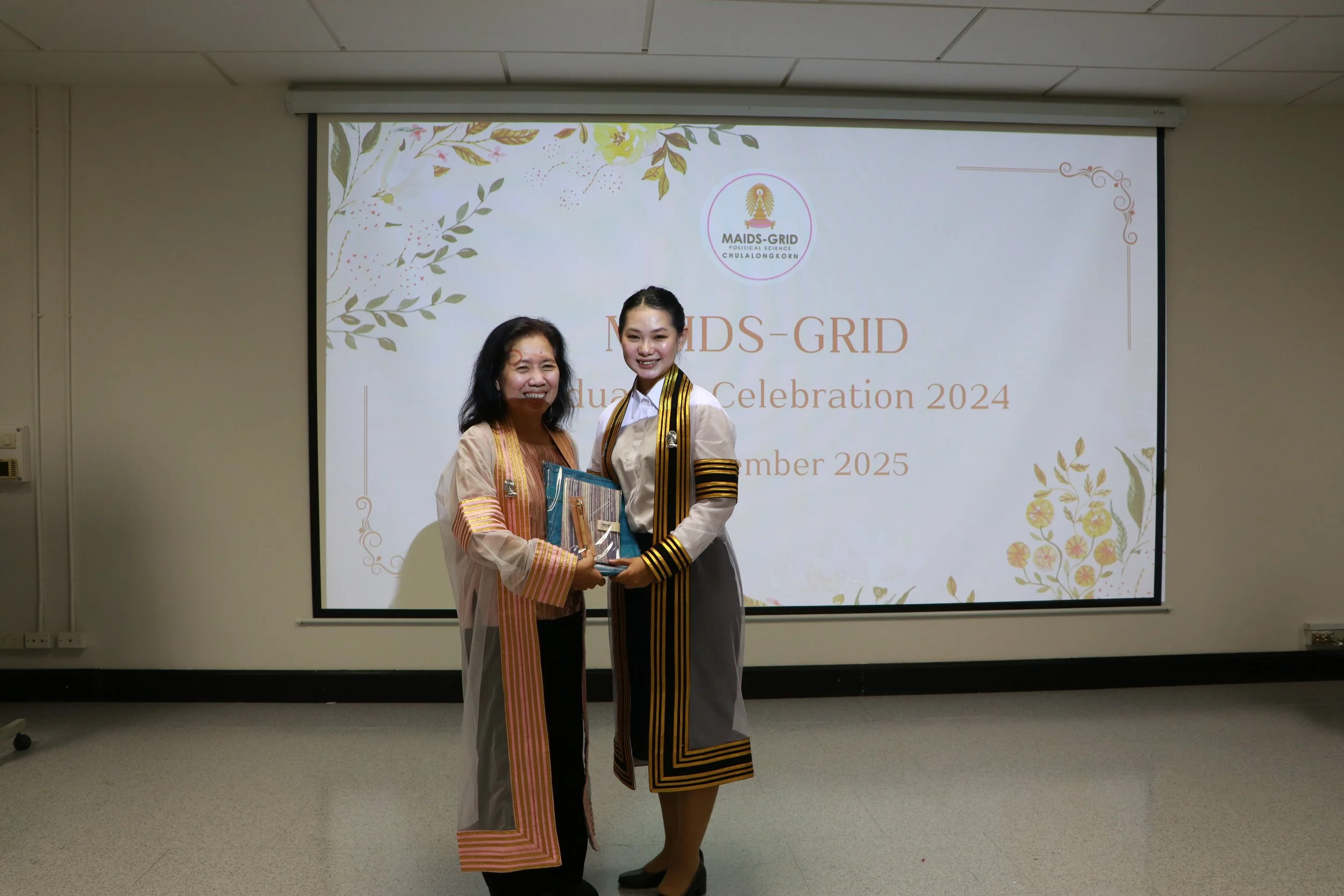
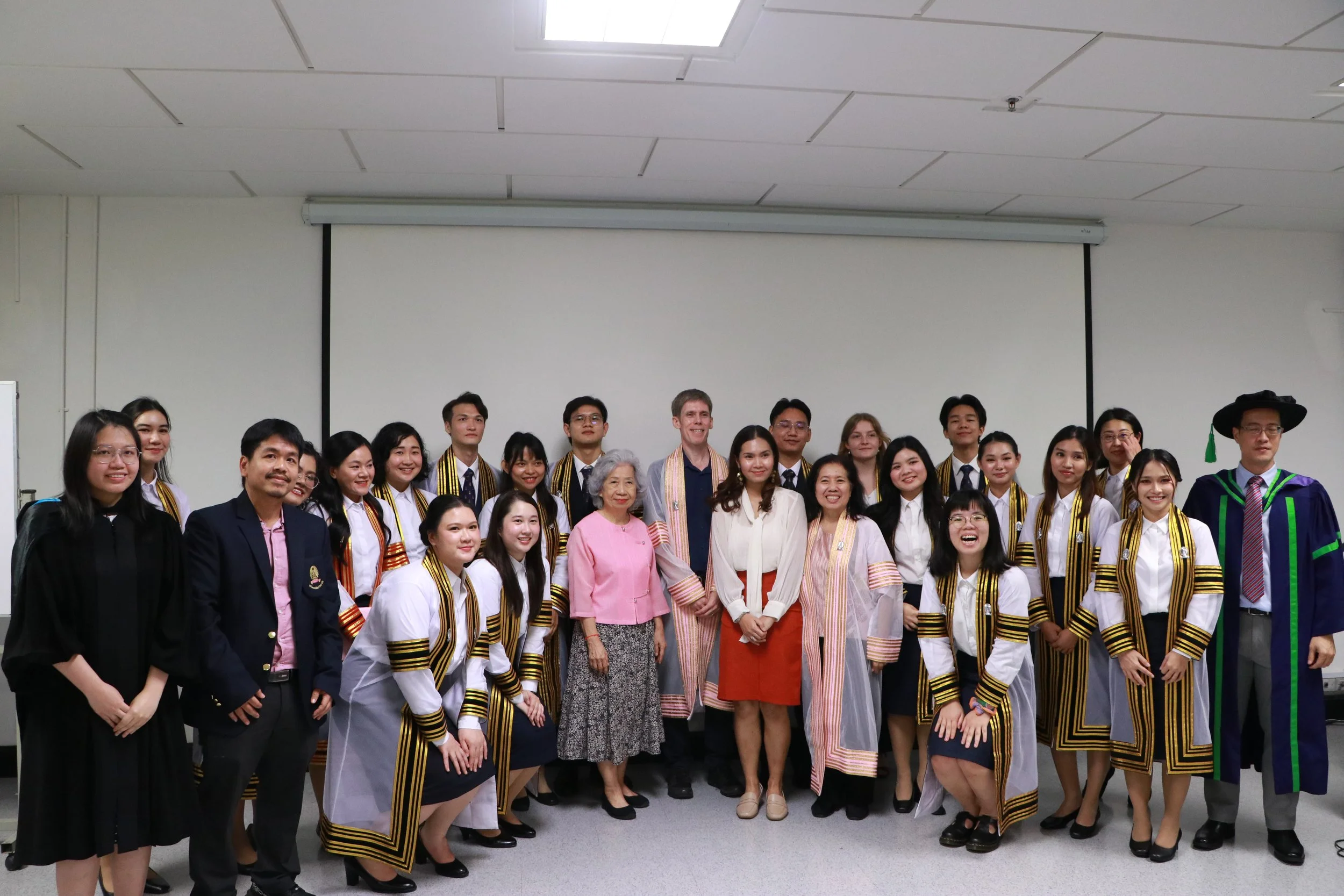
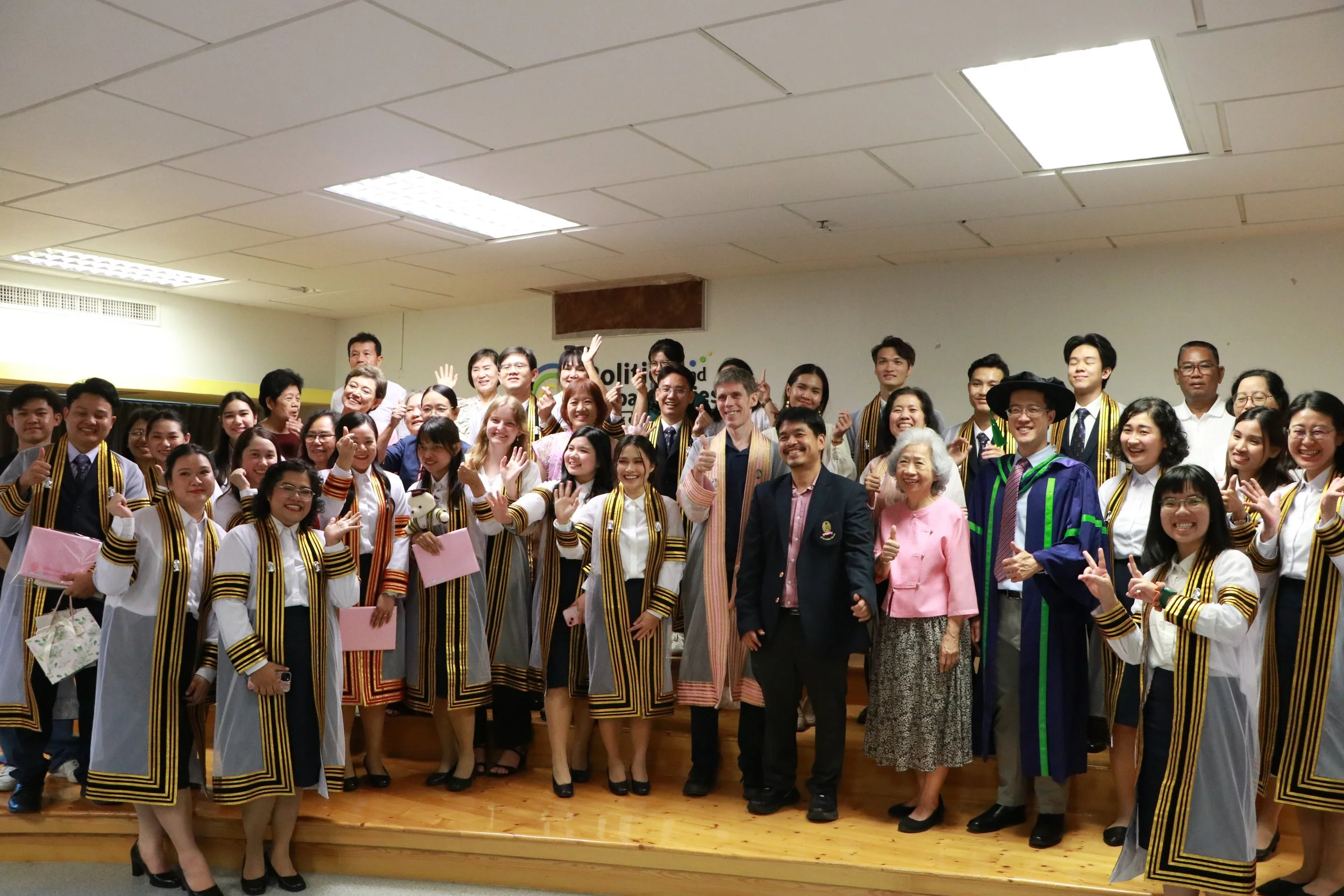
Celebrating the Graduation of the MAIDS-GRID Class of 2024!

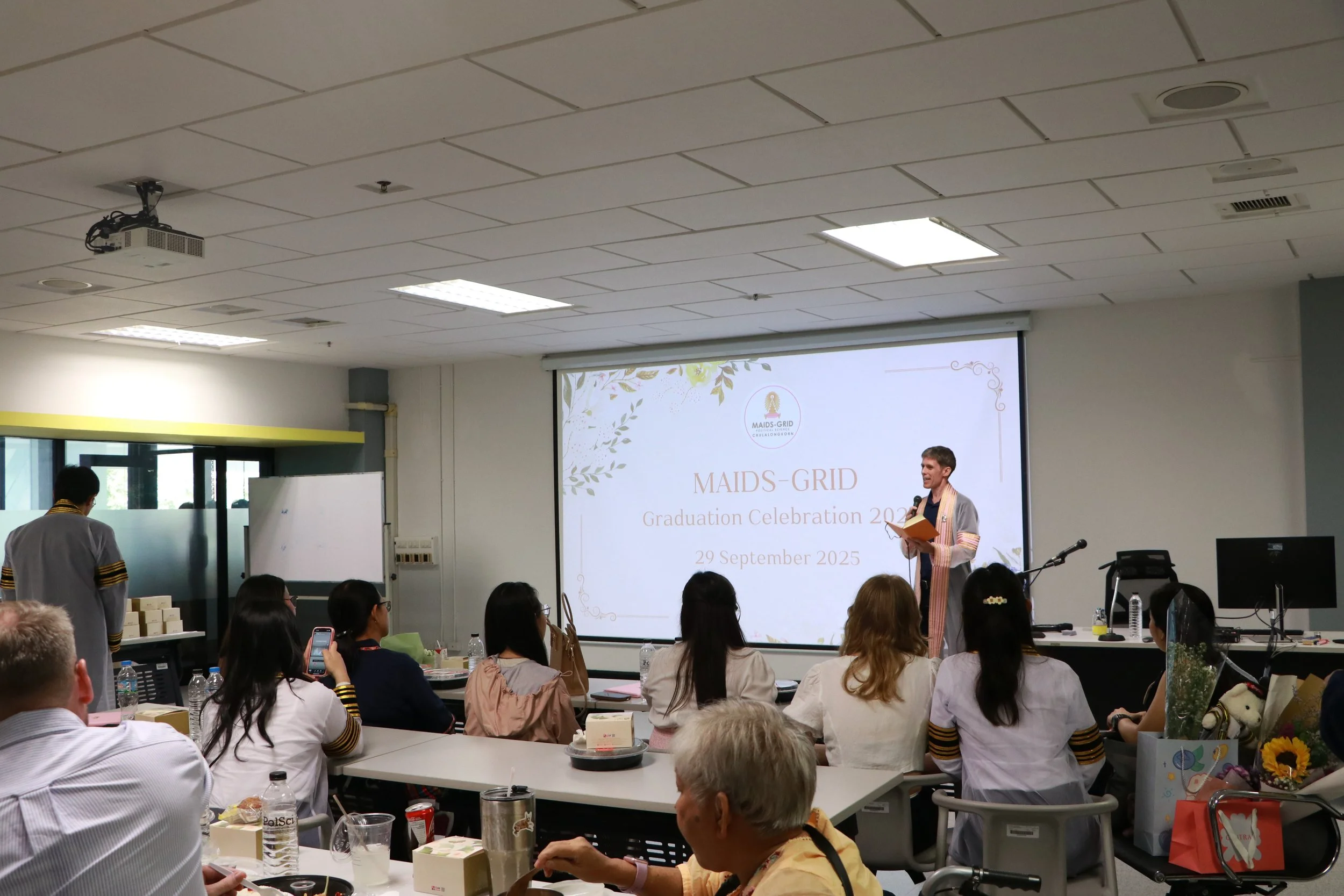
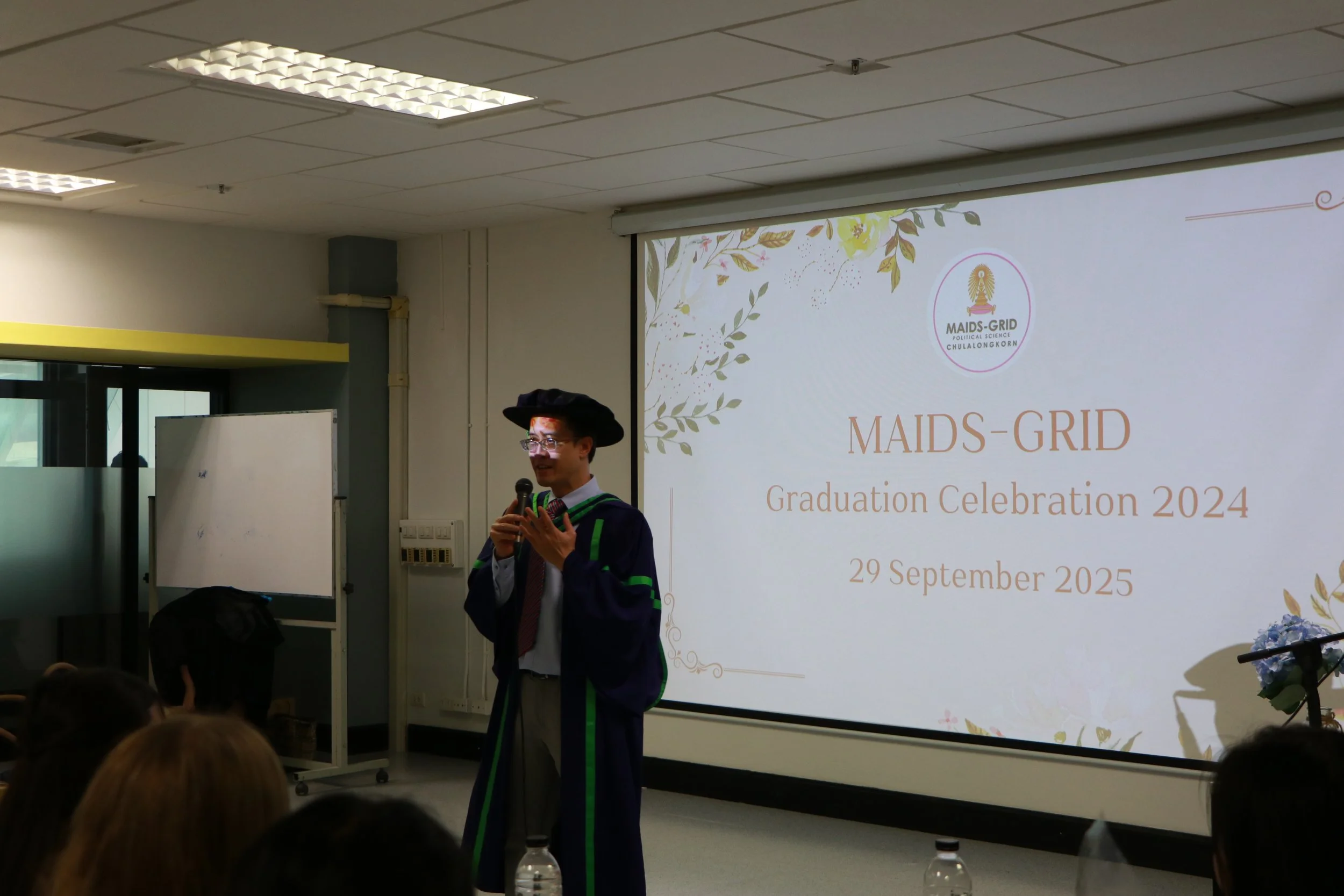
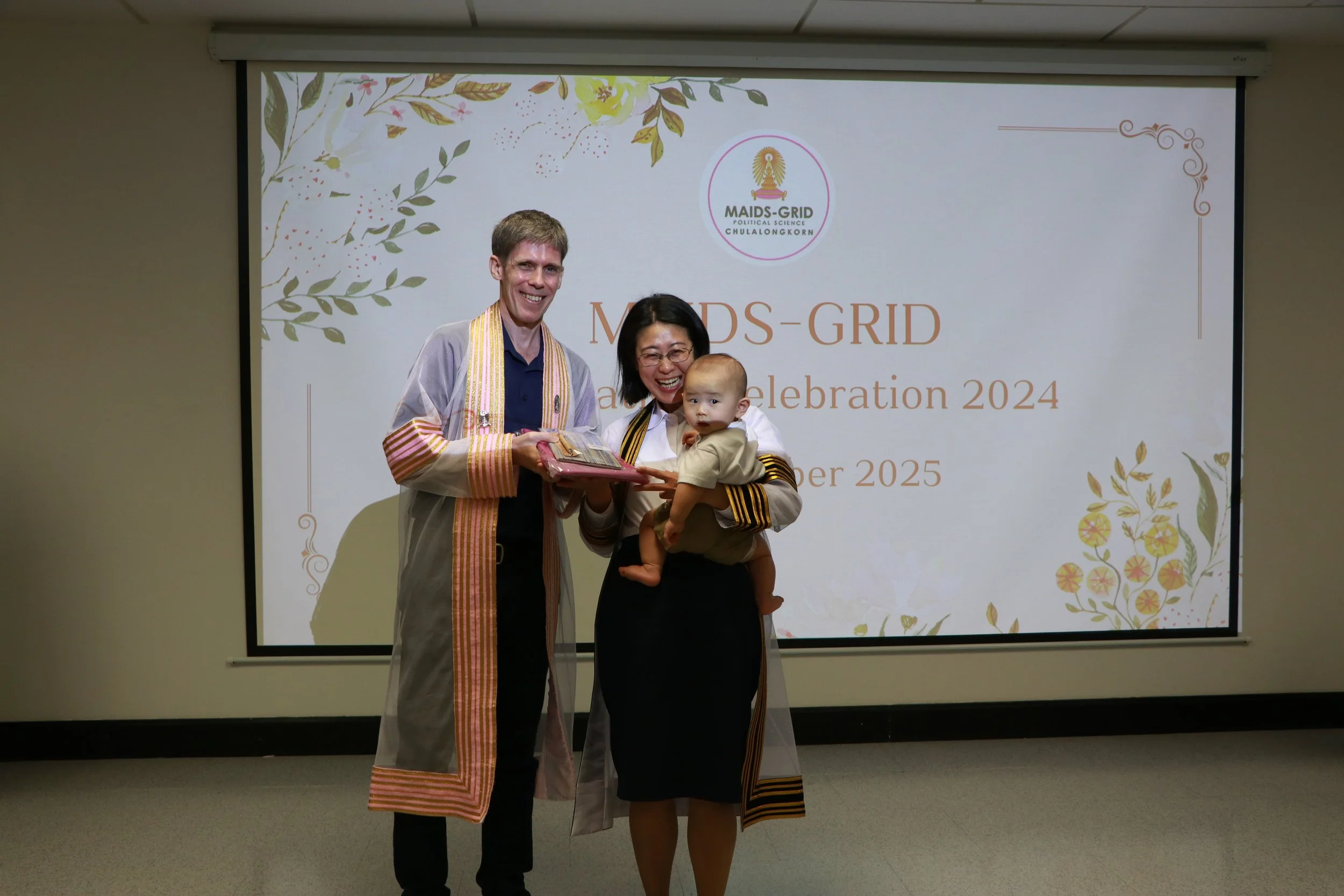
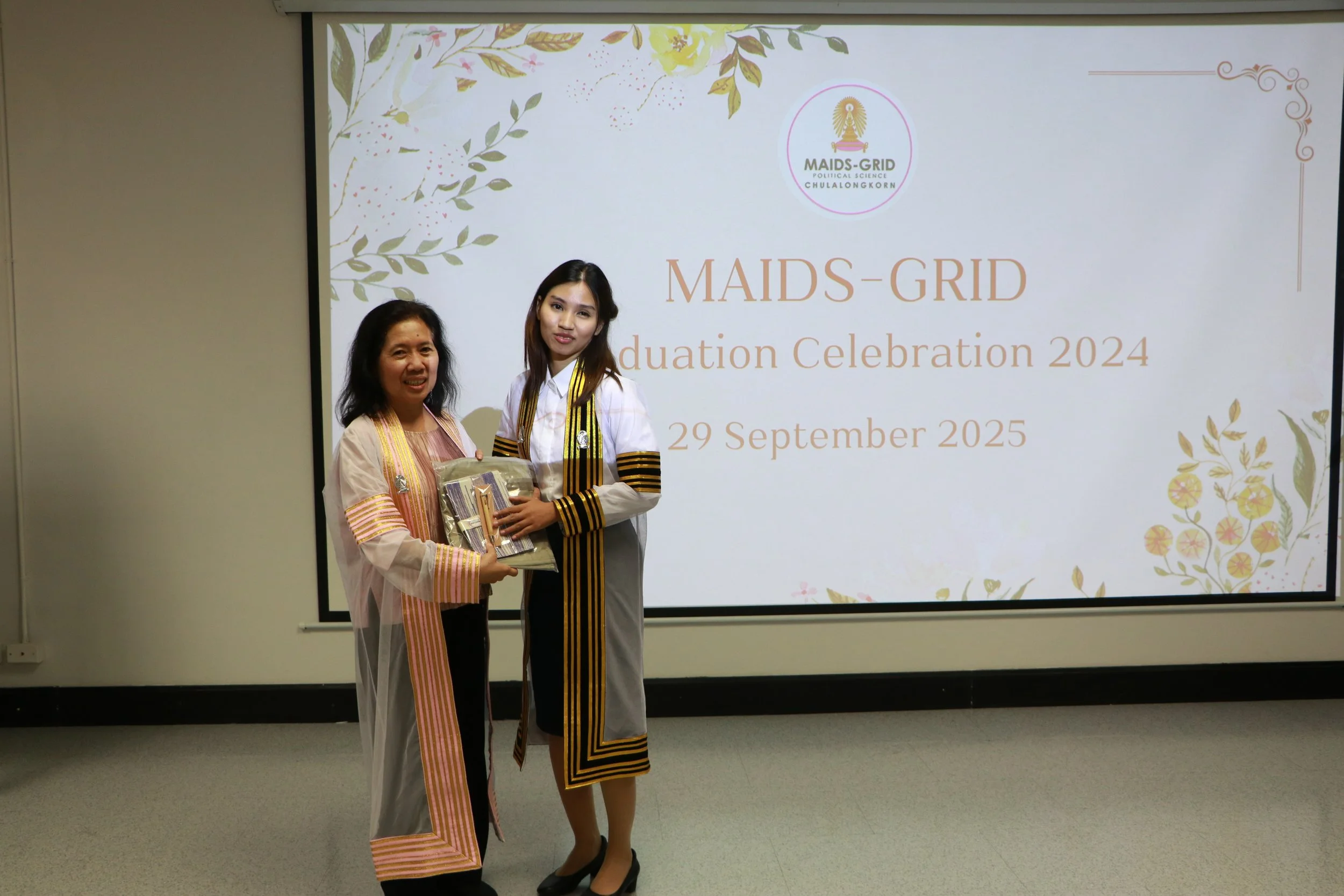
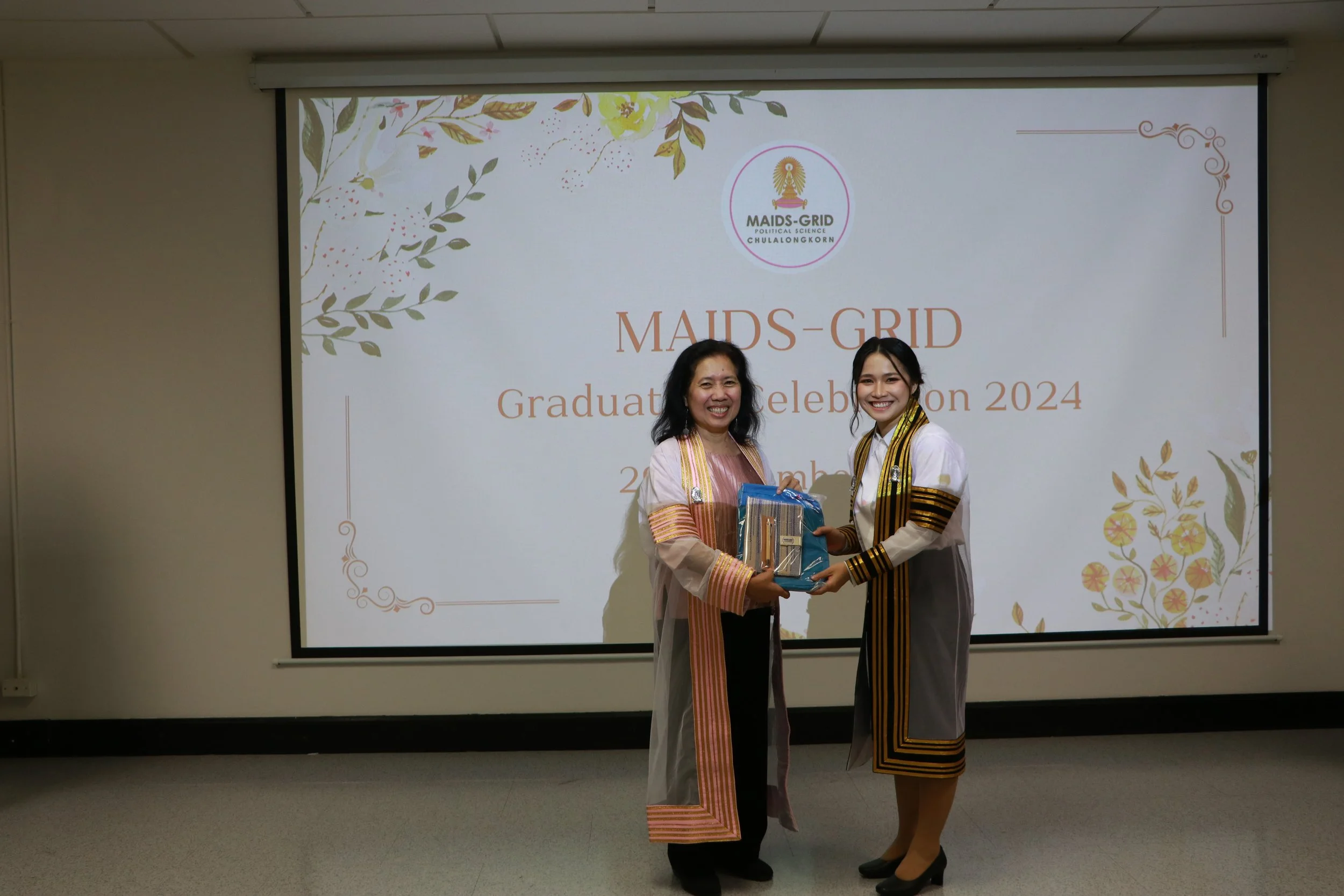
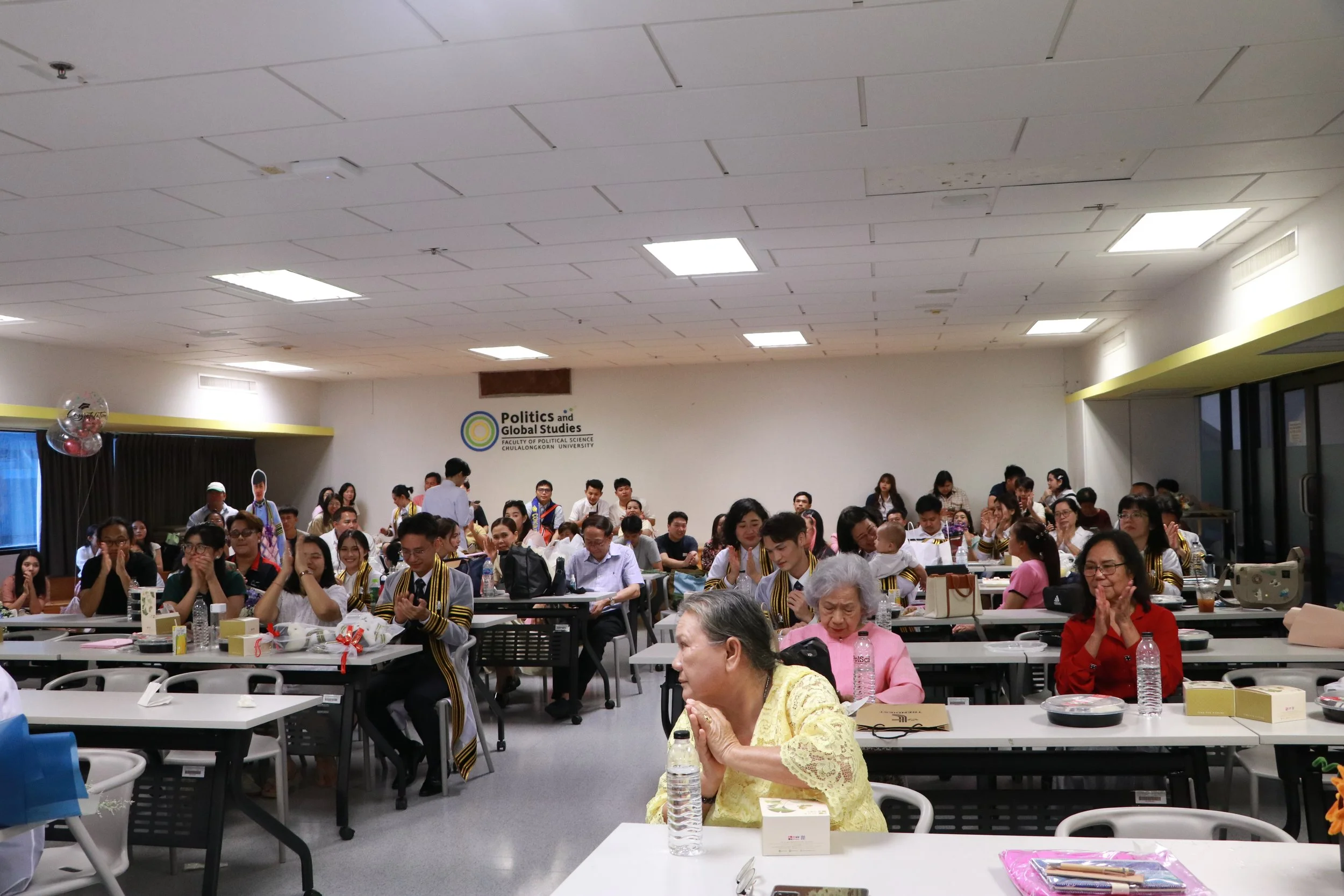
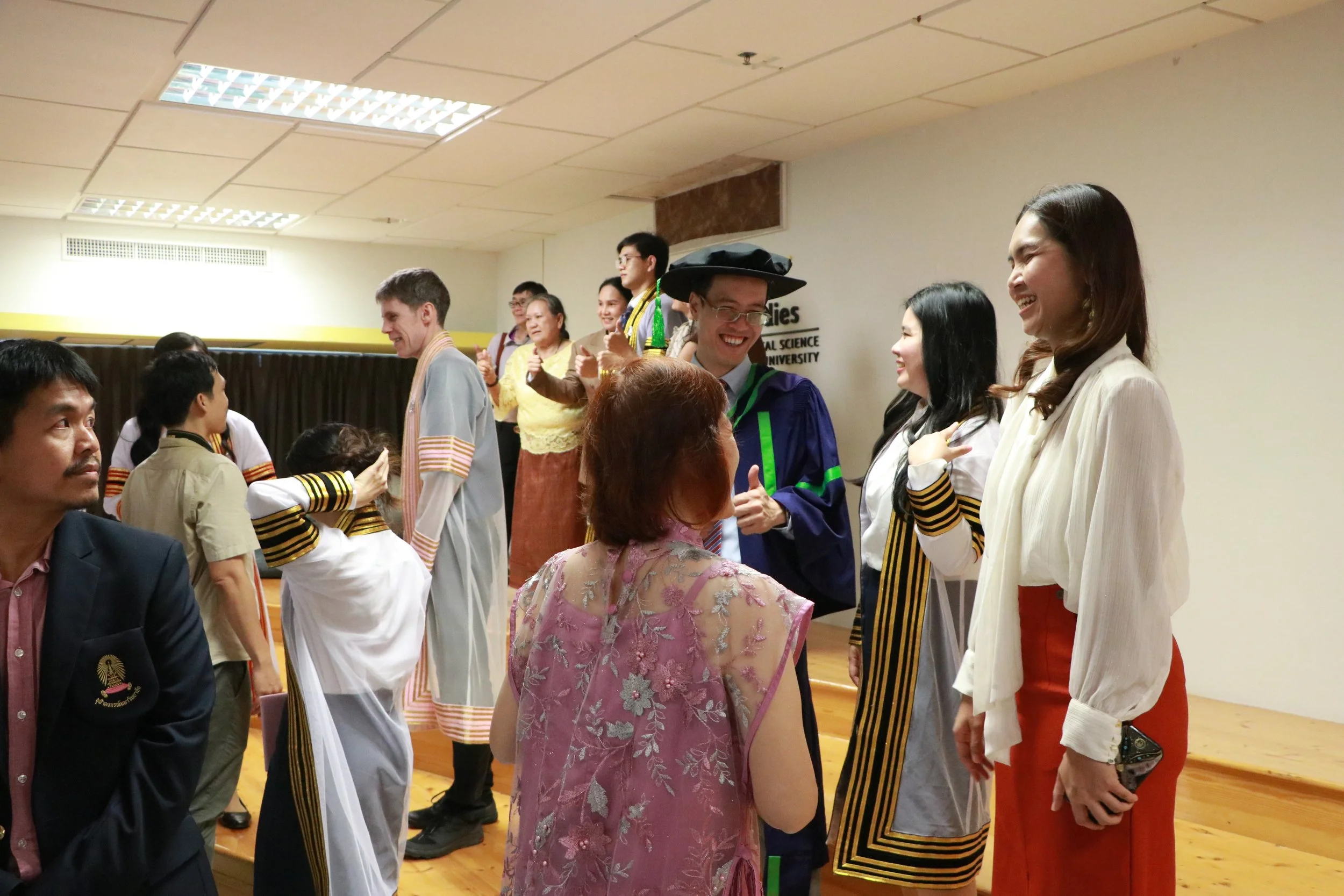
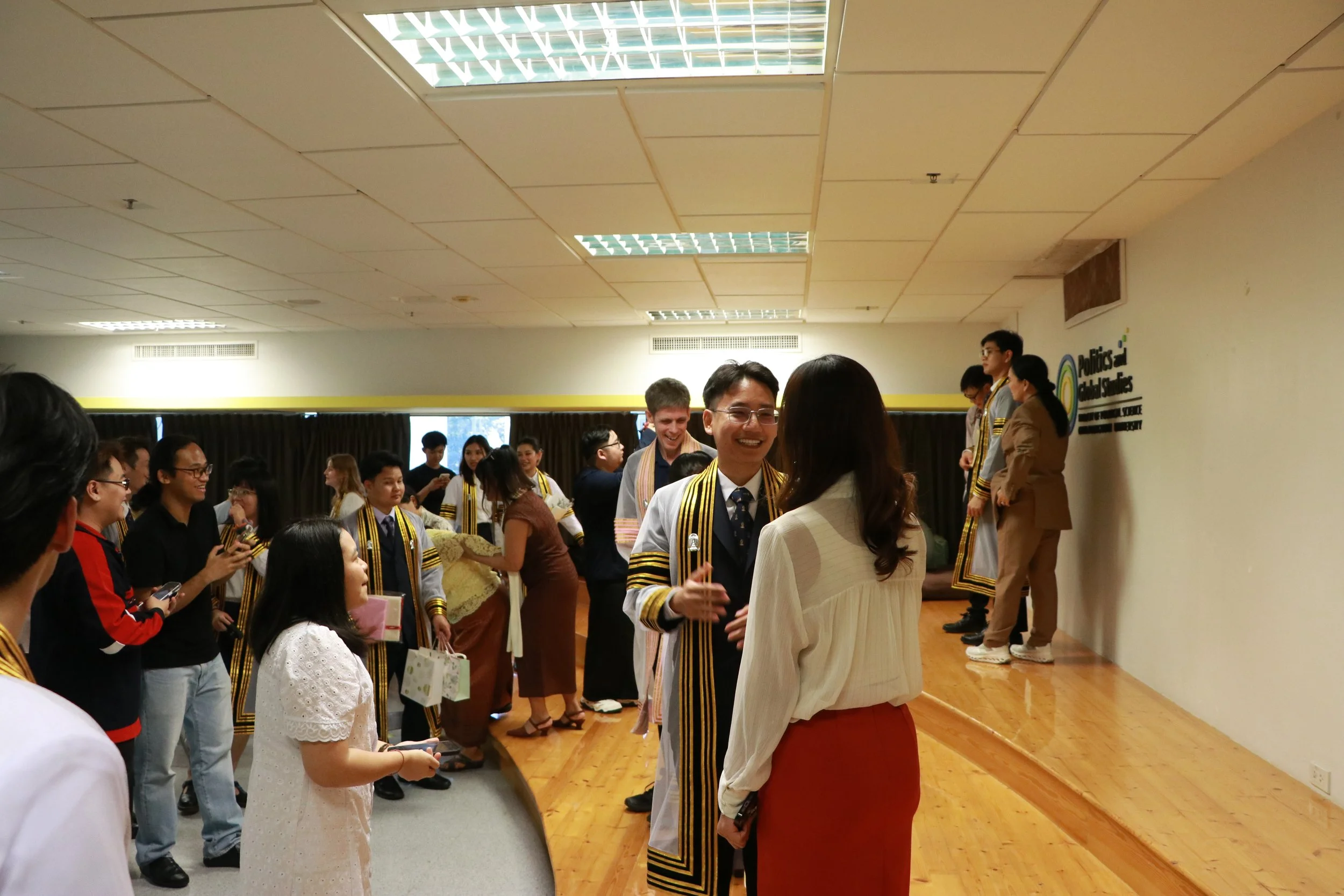
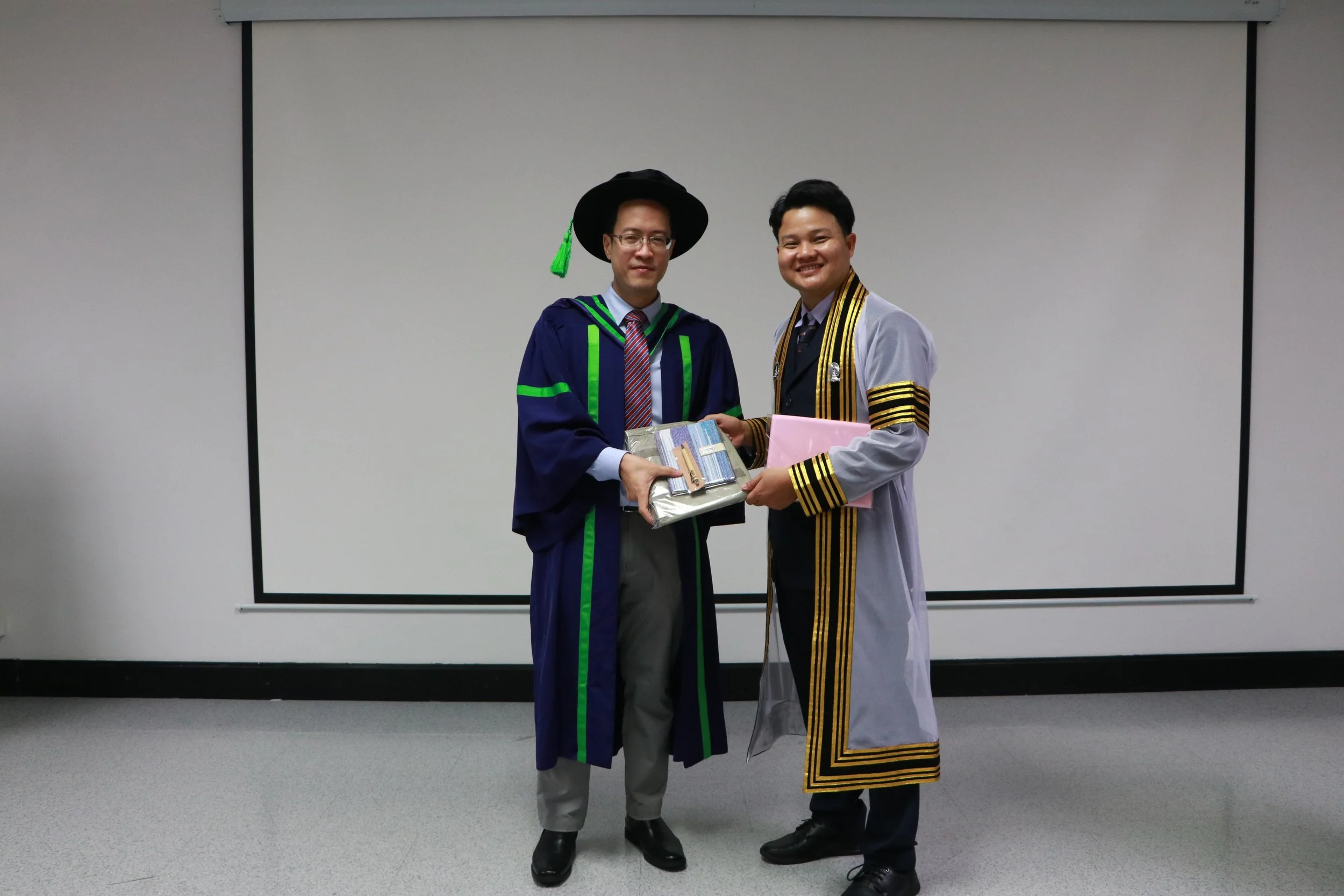
On 29 September 2025, the class of 2024 Master’s and Ph.D. students of the MAIDS-GRID International Development Studies program at Chulalongkorn University gathered for a memorable graduation ceremony, marking the culmination of years of hard work, resilience, and commitment to academic excellence.

The ceremony brought together graduating students, faculty, family, and friends in an atmosphere filled with pride and joy. It was not only a celebration of academic achievement but also a moment to honor the diverse journeys of students who came from across Asia and beyond to pursue knowledge and skills in the field of international development.

Associate Professor Carl Middleton, the Program Director, together with Dr. Sorasich Swangsilp, Deputy Director, and faculty members and thesis advisors—Professor Supang Chantavanich, Professor Naruemon Thabchumpon, and Dr. Khathaleeya Liamdee commended the graduates for their perseverance in completing their studies during a period of global uncertainty and rapid change. They emphasized that, as emerging development scholars and practitioners, the cohort now carries a crucial responsibility to help build more inclusive, sustainable, and just societies. The ceremony also provided an opportunity to reflect on the personal and professional growth of the graduates, many of whom described the MAIDS-GRID program as not only an academic journey but also a community that fostered lasting friendships, cross-cultural exchange, and a spirit of collaboration.

As the MAIDS-GRID Class of 2024 steps into the next chapter of their journey, whether in academia, international organizations, NGOs, or policymaking, they carry with them the values of critical thinking, inclusivity, and social responsibility that define the MAIDS-GRID program.

Congratulations to the Master’s and Ph.D. graduates of 2024! Your achievements inspire future cohorts and reinforce the program’s mission to cultivate leaders who will contribute to positive change at both local and global levels.

EI EI LIN

Communication Coordinator

MAIDS-GRID Program
Domestic Fieldtrip: Ayutthaya Province 11th –12th September 2025

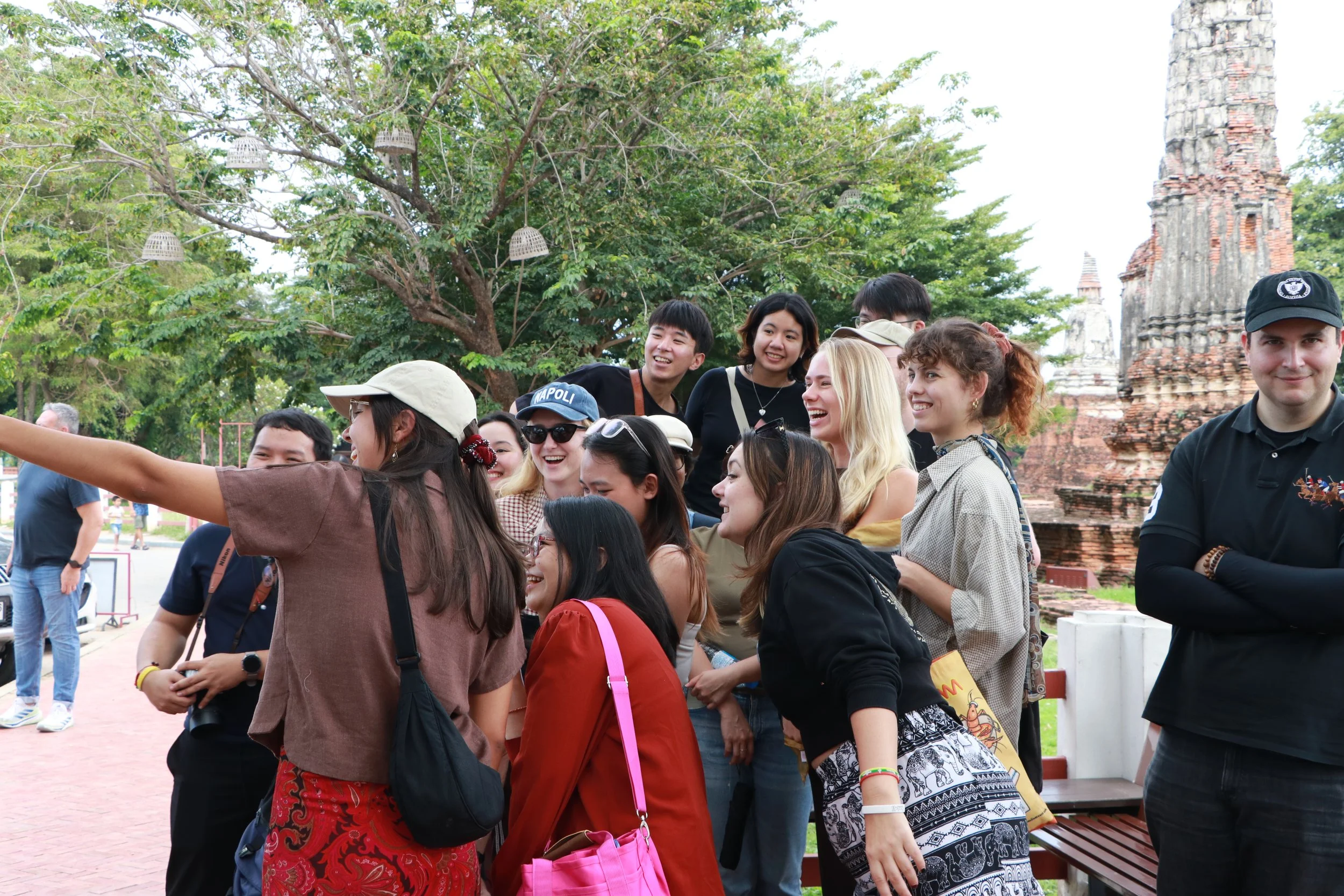
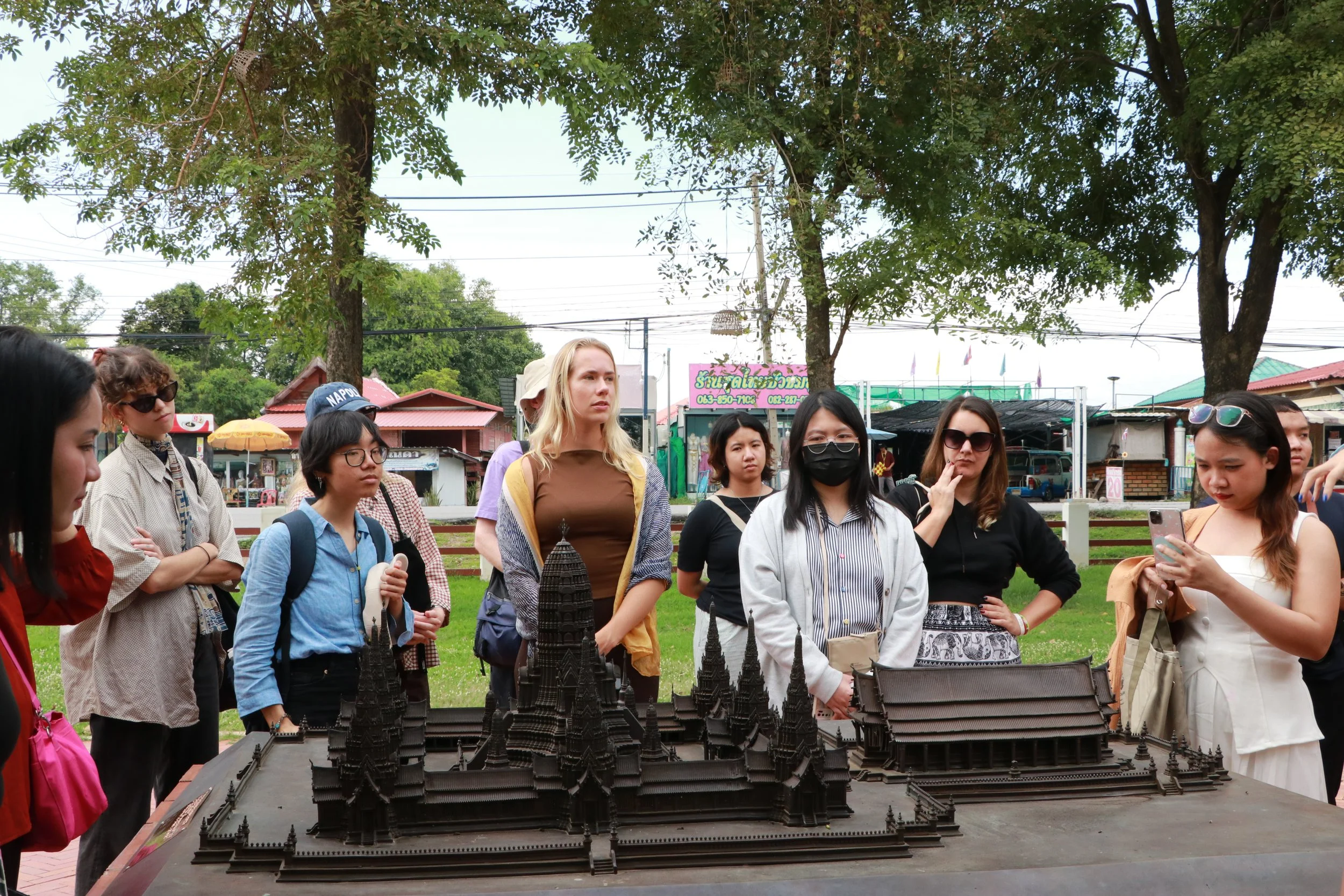
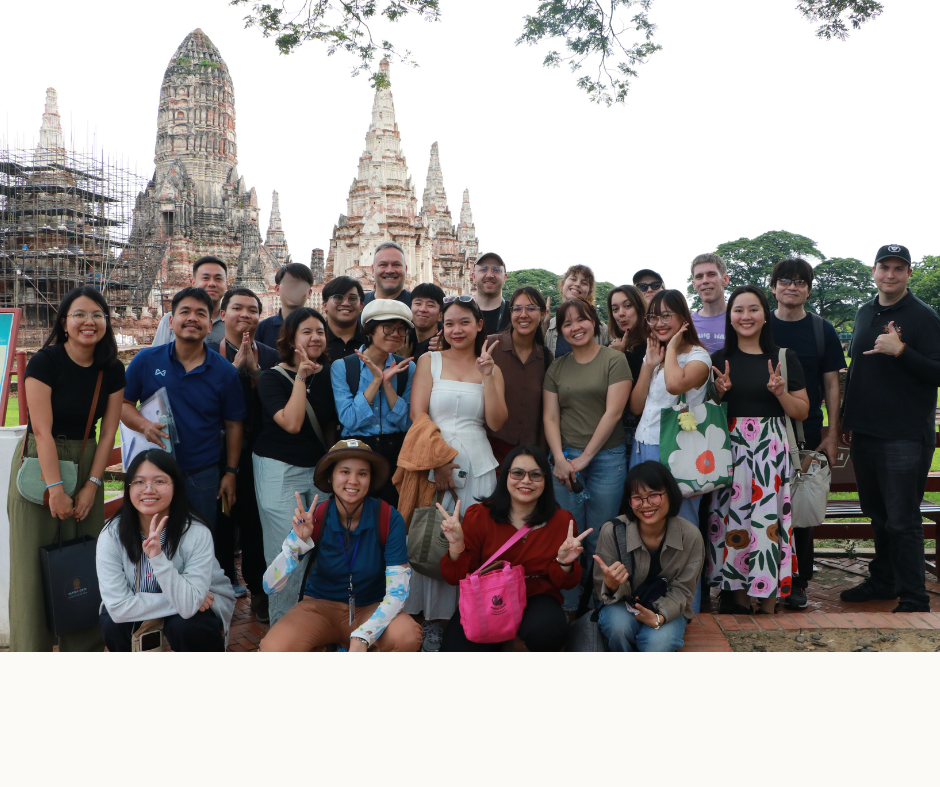
On 11–12 September 2025, students from the MAIDS-GRID programs joined a two-day domestic field trip to Ayutthaya Province, Thailand. The visit combined learning from a flood-impacted agricultural community, an industry park, and a heritage site, and provided students with the opportunity to connect classroom concepts with real-world development issues.

From Floods to Community Resilience

The field trip began in Bang Ban Subdistrict, an area heavily impacted by the 2011 floods and subsequent Chao Phraya River water management practices. Students met with local community leaders, who shared how water management policies, including the “monkey cheek” system, affect their present-day farming livelihoods. A community-hosted lunch and field visits to farming areas affected by sand mining and flooding provided students with a deeper understanding of how residents are adapting to and negotiating these challenges. The community also shared with the students about their history, situated knowledge, and aspirations for the future.

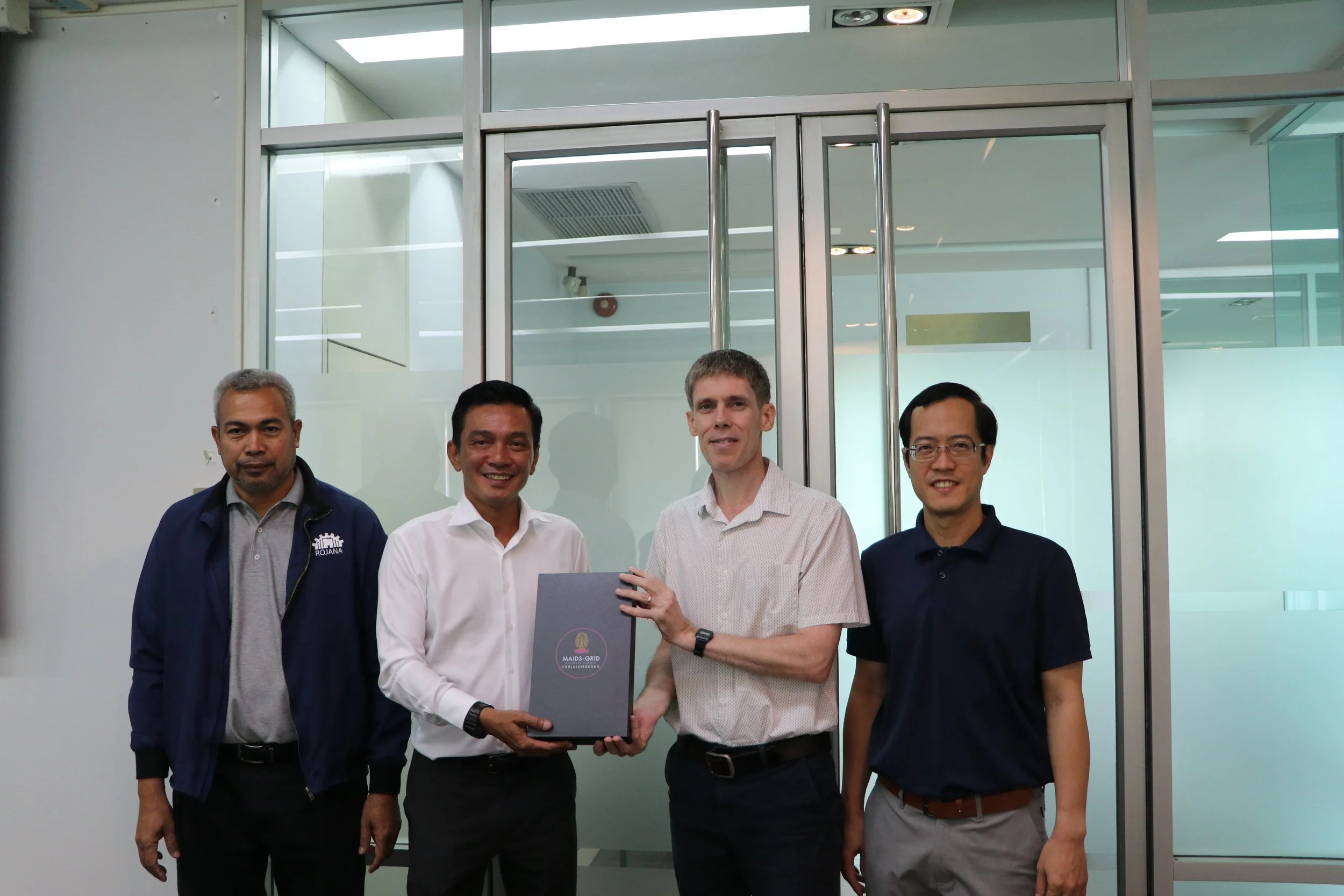
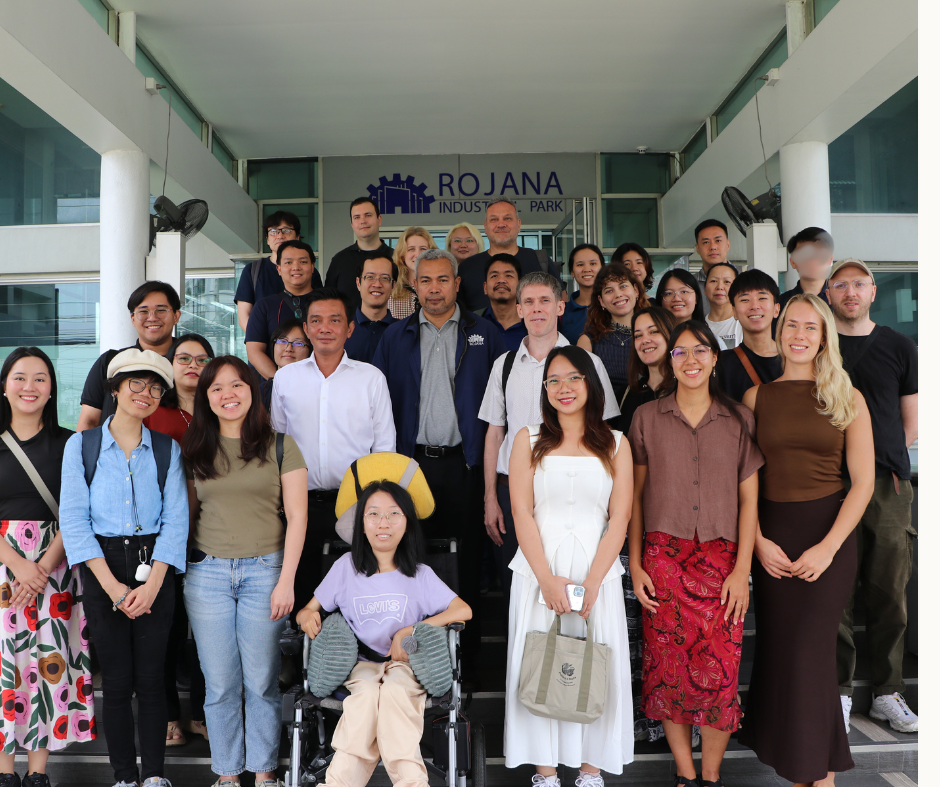
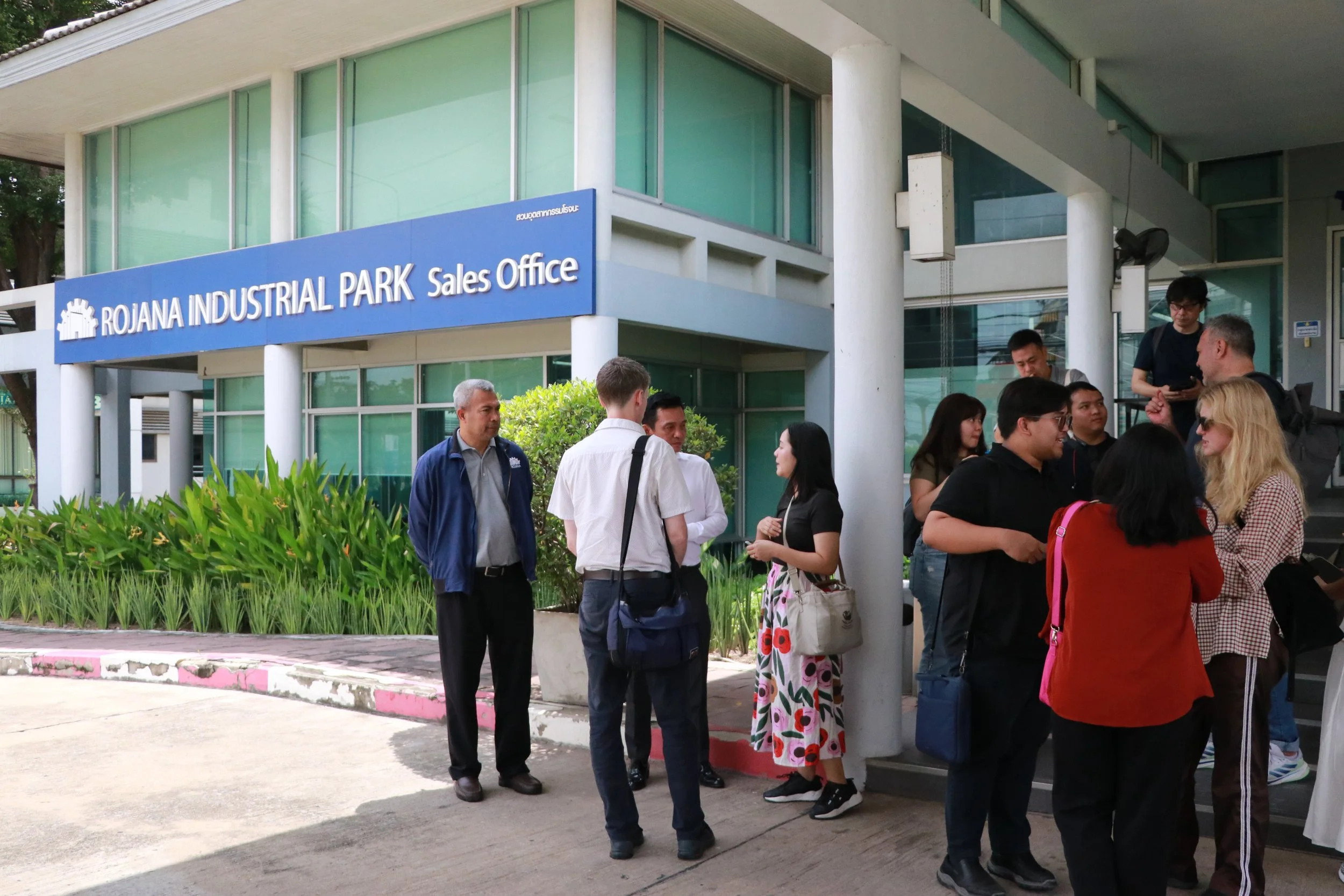
The next day, the group visited the Rojana Industrial Estate, one of Thailand’s major electronics and automotive production hubs. The representatives from Rojana Industrial Estate detailed the company’s history, their recovery from the 2011 flood, lessons learned, and the changing characteristics of investment into Thailand. Discussions there focused on balancing industrial growth with flood protection and environmental sustainability.

Exploring Heritage at Wat Chaiwatthanaram

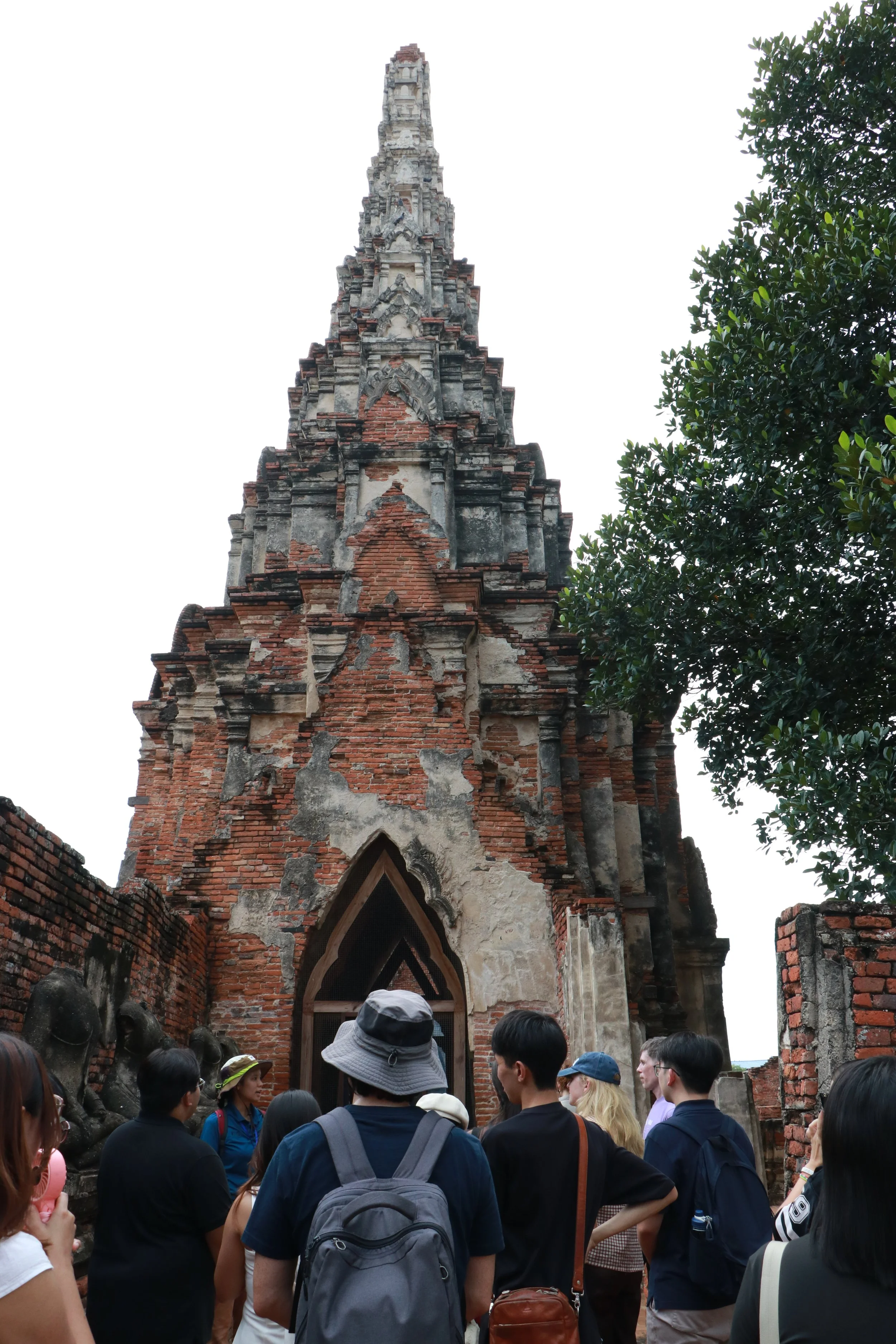
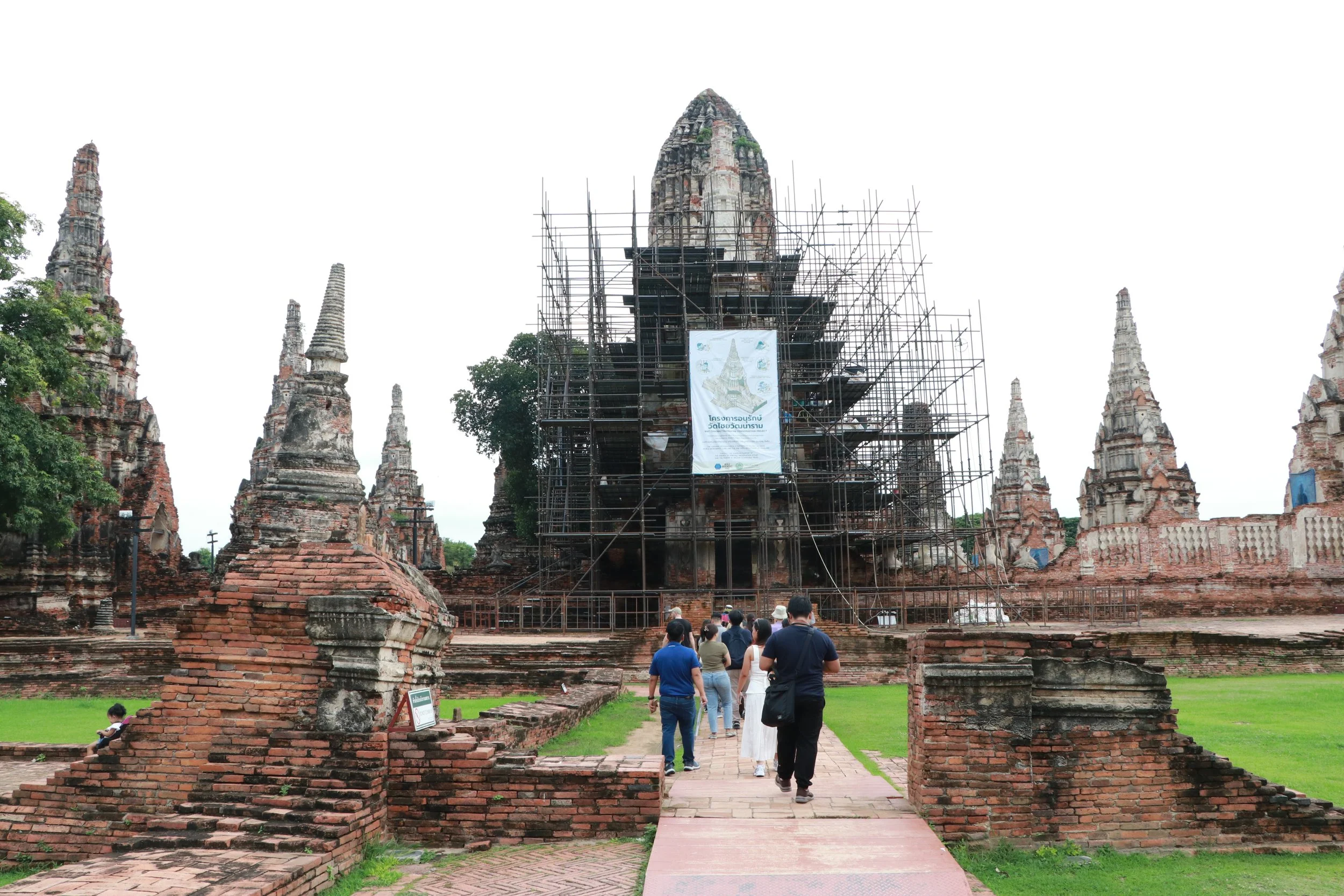
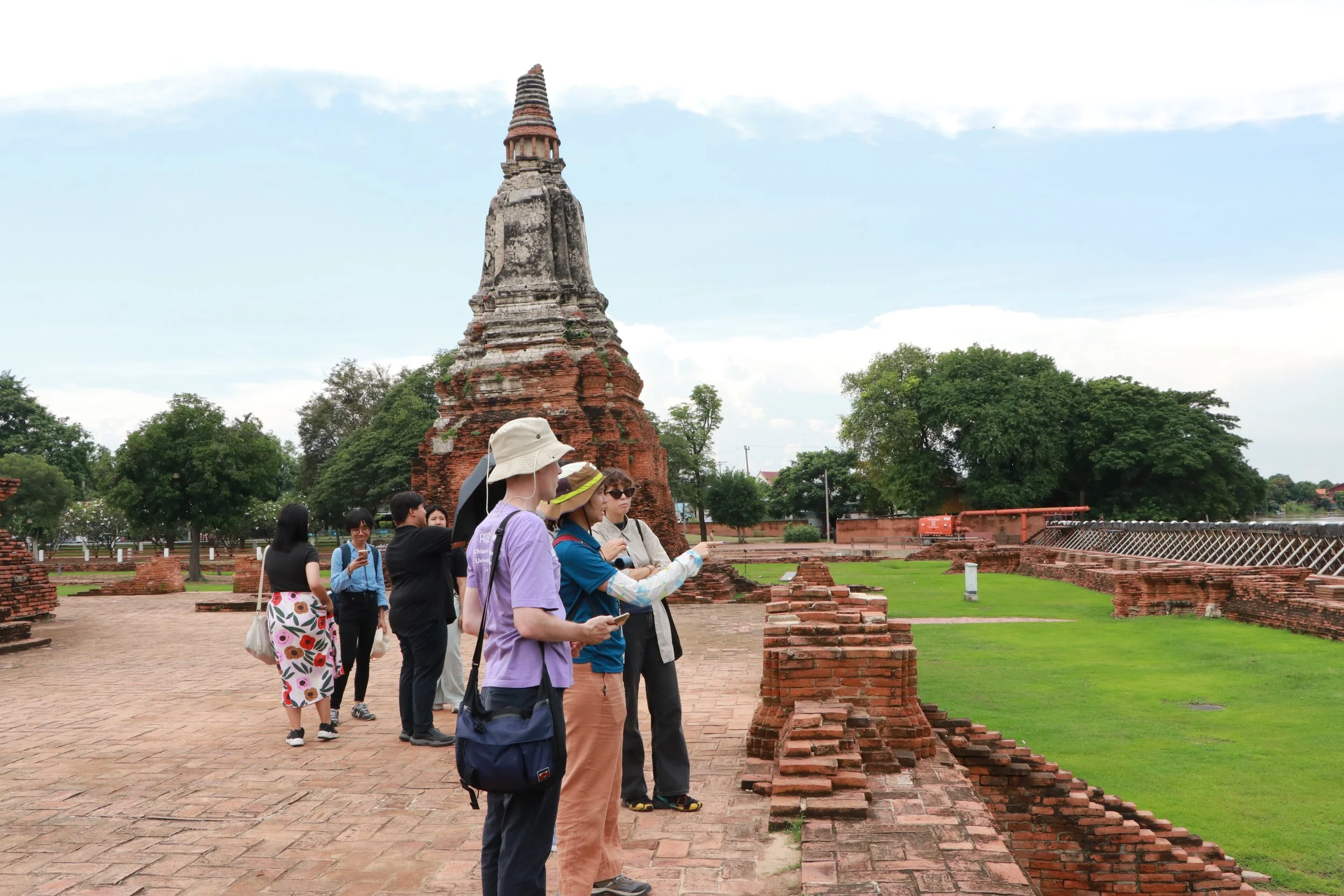
The field trip concluded with a visit to Wat Chaiwatthanaram, one of Ayutthaya’s most iconic temples and a UNESCO World Heritage Site. Our student Grace, who is also a tour guide, led us through the temple grounds and shared its fascinating history and significance. It was a chance to reflect on how cultural heritage and tourism are tied to development in the province. The visit was not only a cultural highlight but also a reminder of the importance of preserving history alongside modern growth. 

Key Takeaways

This field trip gave students a unique opportunity to see how flood management, industrialization, community resilience, and cultural heritage intersect in shaping Ayutthaya’s development. More than just a study visit, it was also a chance to reflect, connect, and learn directly from those living and working at the heart of these challenges.

EI EI LIN

Communication Coordinator

MAIDS-GRID Program


MAIDS-GRIDS Orientation 2025: Welcoming a New Cohort!

We are pleased to welcome the 2025 cohort of students to the Master’s in International Development Studies (MAIDS) and the Graduate Program in International Development Studies (GRID) at the Faculty of Political Science, Chulalongkorn University.
On 4th August 2025, the MAIDS-GRID Orientation began on campus at the Faculty of Political Science. New students were welcomed with remarks from faculty members, introductions to the academic and administrative teams, and guidance from current students. They also toured the Faculty’s learning facilities and the wider Chula campus, gaining a first look at the resources and community that will support their studies.
From 5 to 6 August, the orientation continued with an off-campus retreat in Amphawa, Samut Songkhram. Through reflective discussions, workshops, and cultural activities, students had the chance to bond with their peers while experiencing the program’s collaborative spirit. The retreat wrapped up with academic sessions on research preparation, thesis requirements, and the thoughtful use of AI tools, giving students a solid foundation for the journey ahead. It was a wonderful beginning that brought the new cohort closer together and set the stage for a year of shared learning and growth.

EI EI LIN

Communication Coordinator

MAIDS-GRID