
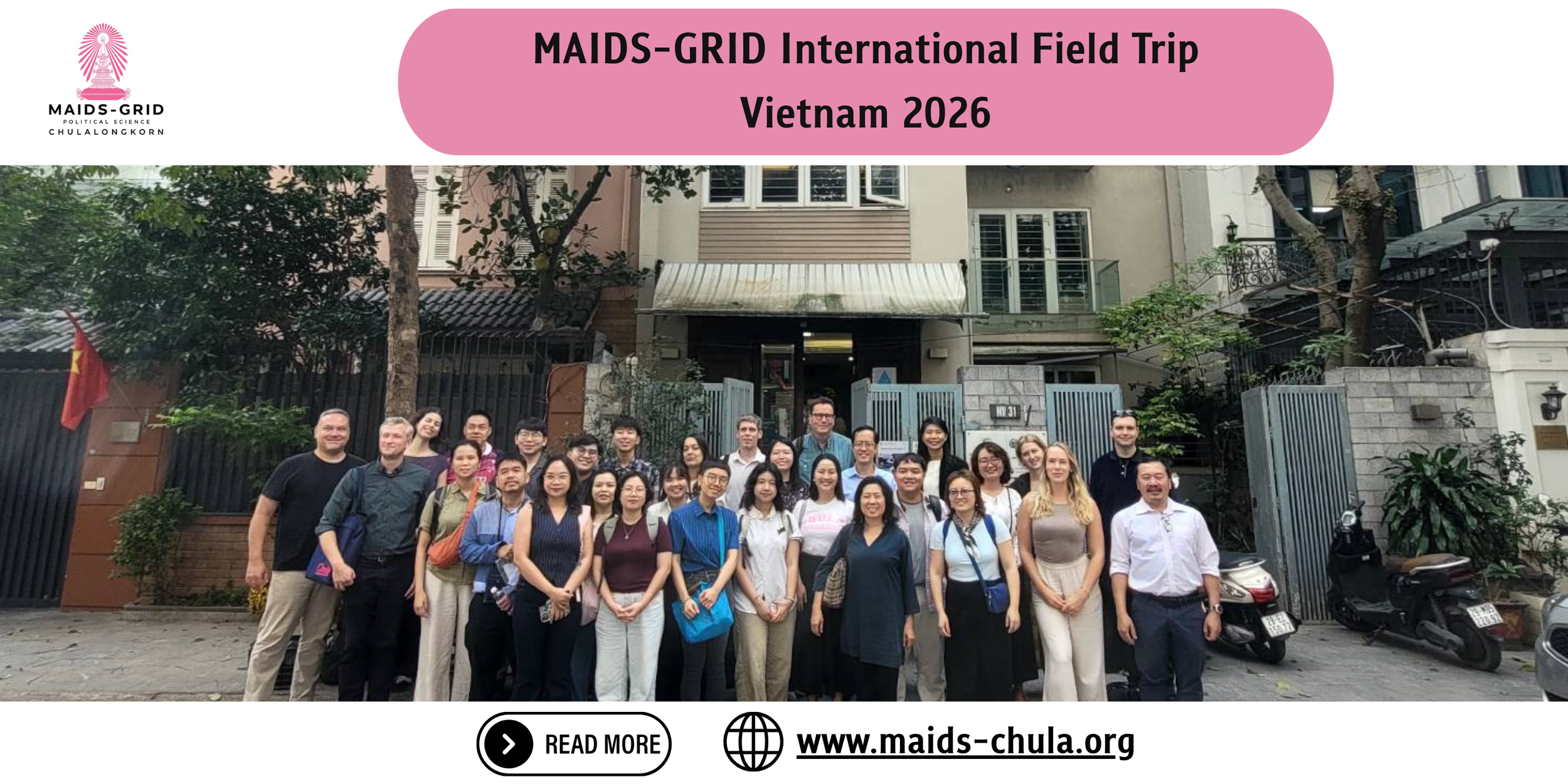
As part of the Master of Arts in International Development Studies (MAIDS-GRID) program at Chulalongkorn University, students embarked on an international field trip to Vietnam, combining academic exchange, field-based learning, and regional development. This trip reflects MAIDS-GRID's commitment to connecting classroom knowledge with real-world development contexts in different sectors.
We started our learning journey by traveling from Bangkok to Hanoi, the capital of Vietnam, a country experiencing rapid economic and tourism growth. Arriving in Vietnam, one thing became immediately clear: this is a country in motion. From the busy streets of Hanoi to the growing number of international visitors, Vietnam’s rapid economic growth and tourism expansion are visible everywhere. The country is emerging as one of Southeast Asia’s fastest-growing economies, with tourism playing a major role in shaping cities, infrastructure, and local livelihoods.
PanNature Visit
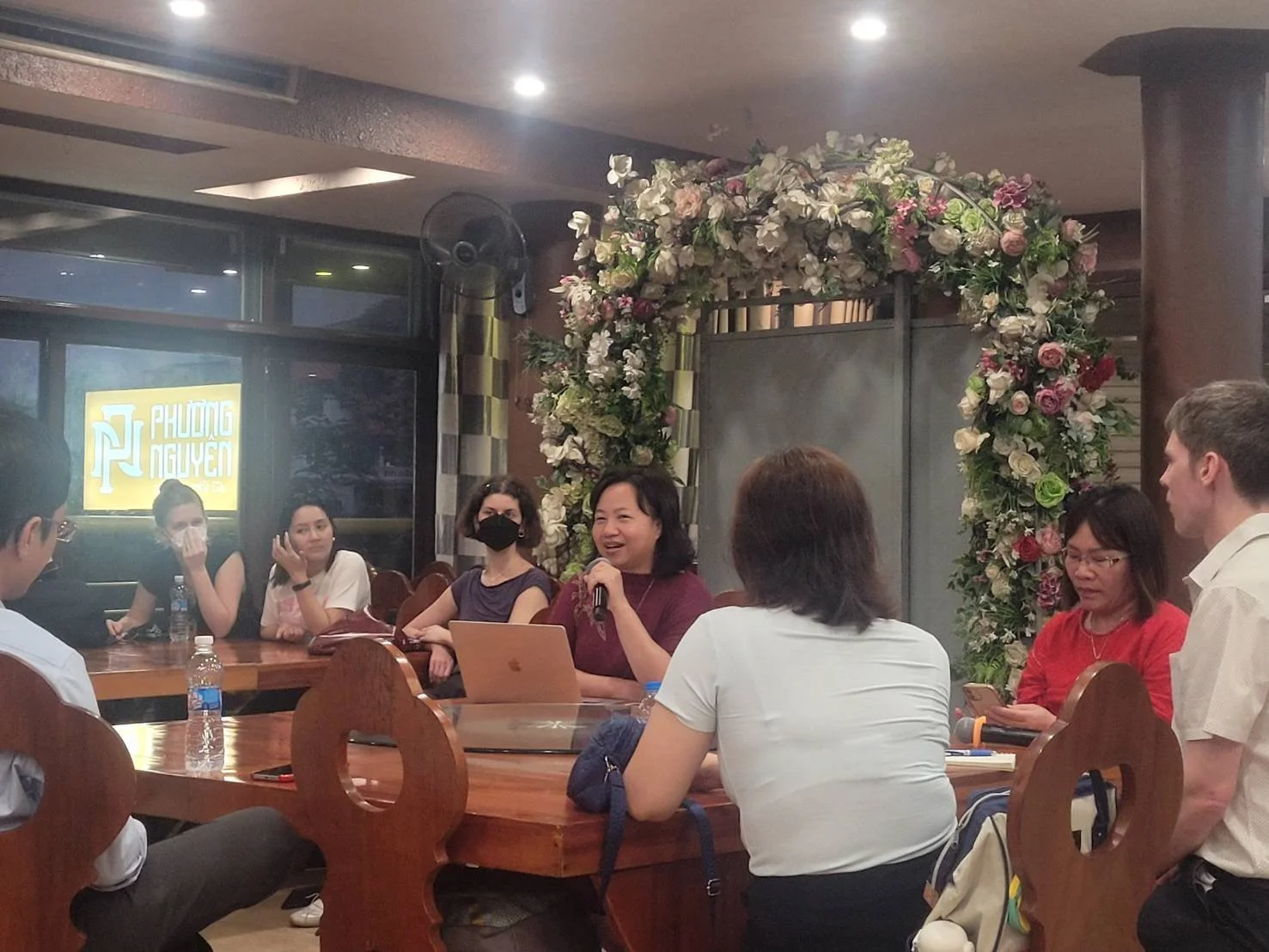
One of the first highlights of the trip was a visit to PanNature, an environmental conservation NGO based in Hanoi. During the session, MAIDS-GRID students joined a learning and exchange program hosted by the organization, engaging directly with practitioners working in conservation and environmental governance. Through these discussions, students explored how environmental protection is approached in a fast-developing country, gaining deeper insight into the challenges of economic growth and sustainability.
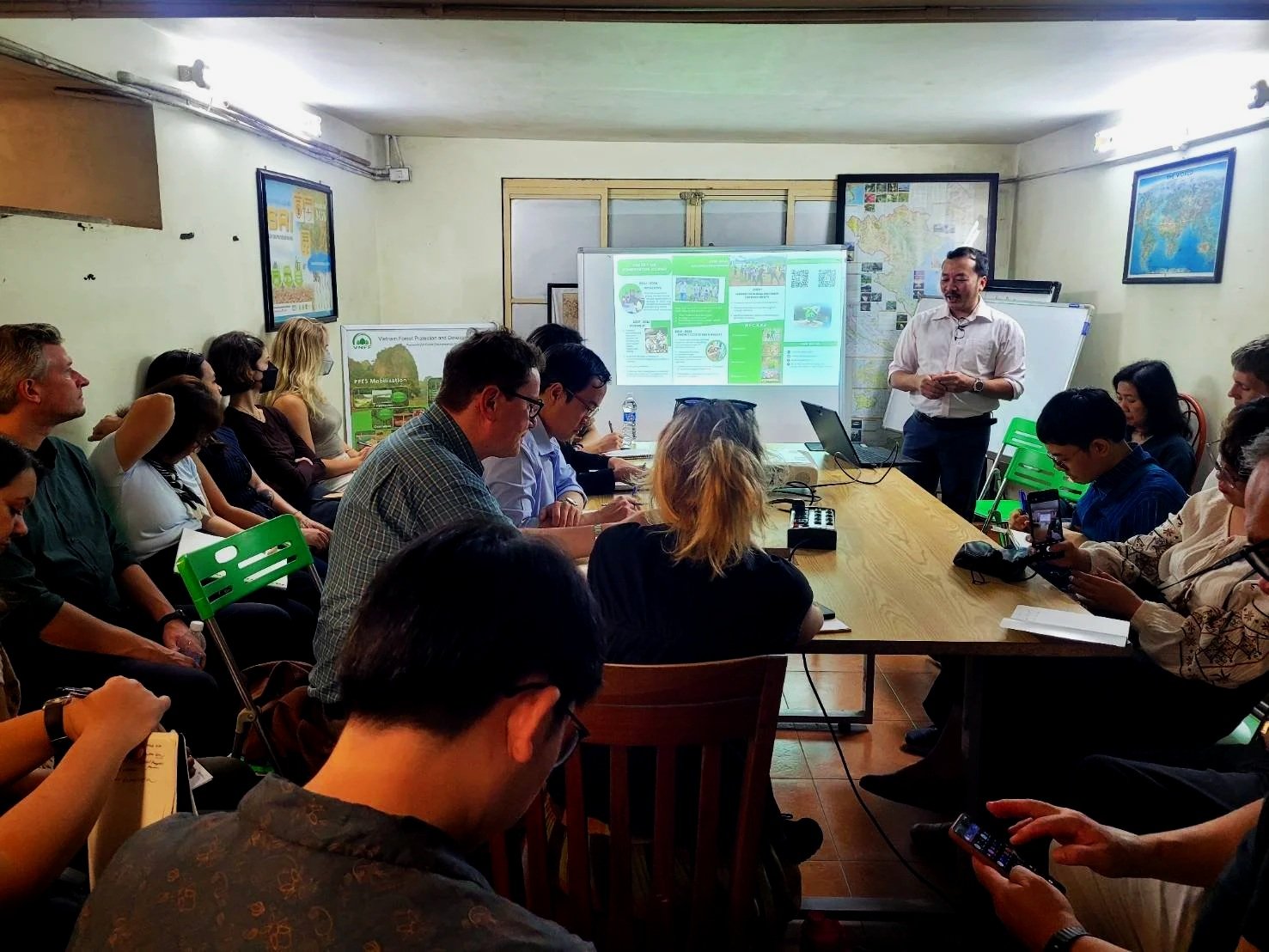
Photo: PanNature Office, Hanoi, Vietnam
During the session, students learned about several of PanNature’s key initiatives, including the Grassroots Conservation Grant Program, which supports community-led conservation, as well as ecological restoration efforts in the Northern Mountains and Central Highlands. The session became even more engaging during the Q&A, where students actively exchanged ideas with PanNature representatives. Questions ranged from the everyday challenges of conservation work to the role of the nonprofit sector in shaping environmental governance in Vietnam and the importance of community-driven approaches to sustainable development. The open dialogue created a meaningful space for students to translate academic knowledge into practical work in the field. It also offered students a closer look at how development and conservation work on the ground.
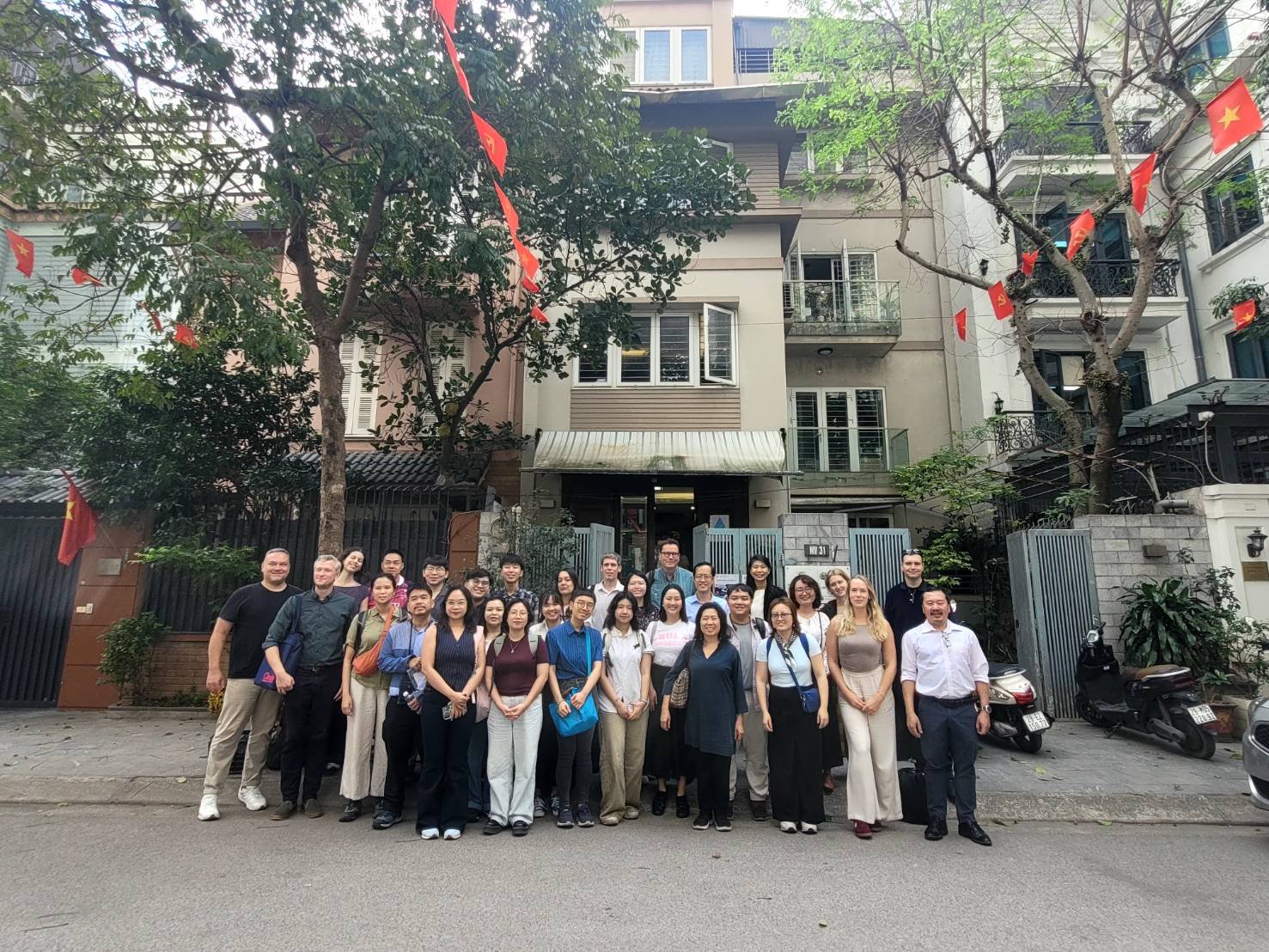
Photo: PanNature Office, Hanoi, Vietnam
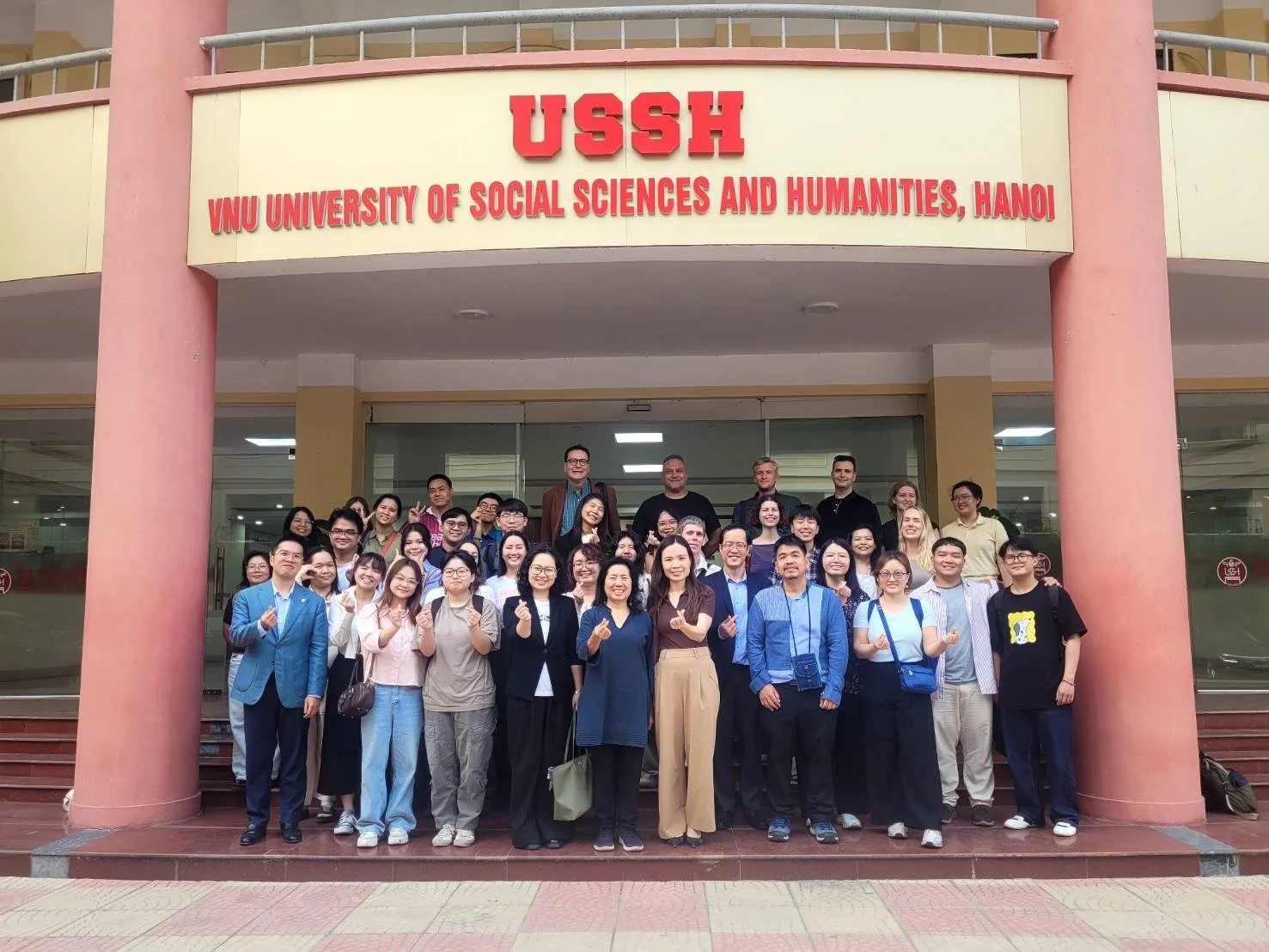
Student academic exchange between Chulalongkorn University and the Vietnam National University-University of Social Sciences and Humanities (USSH)
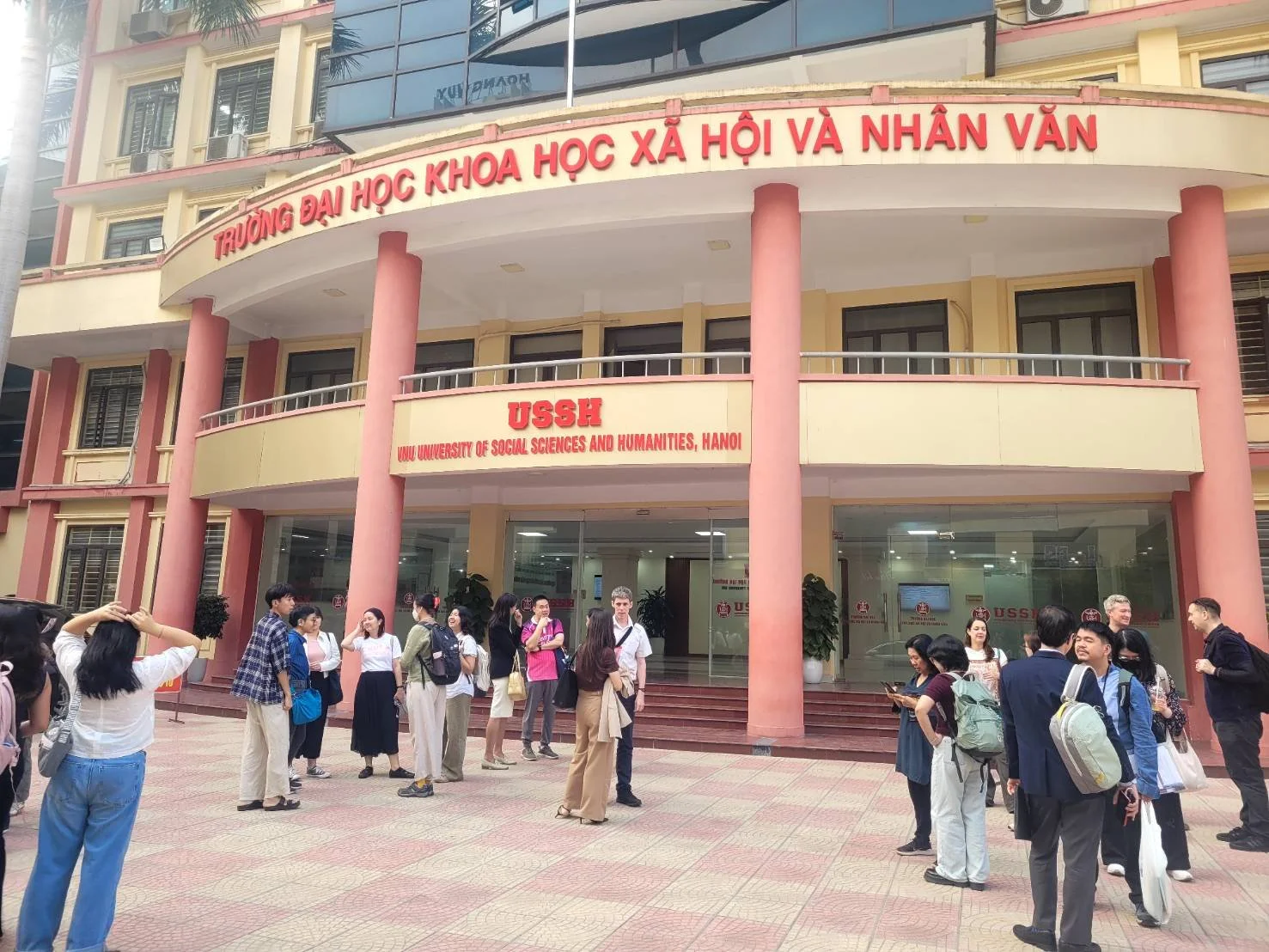
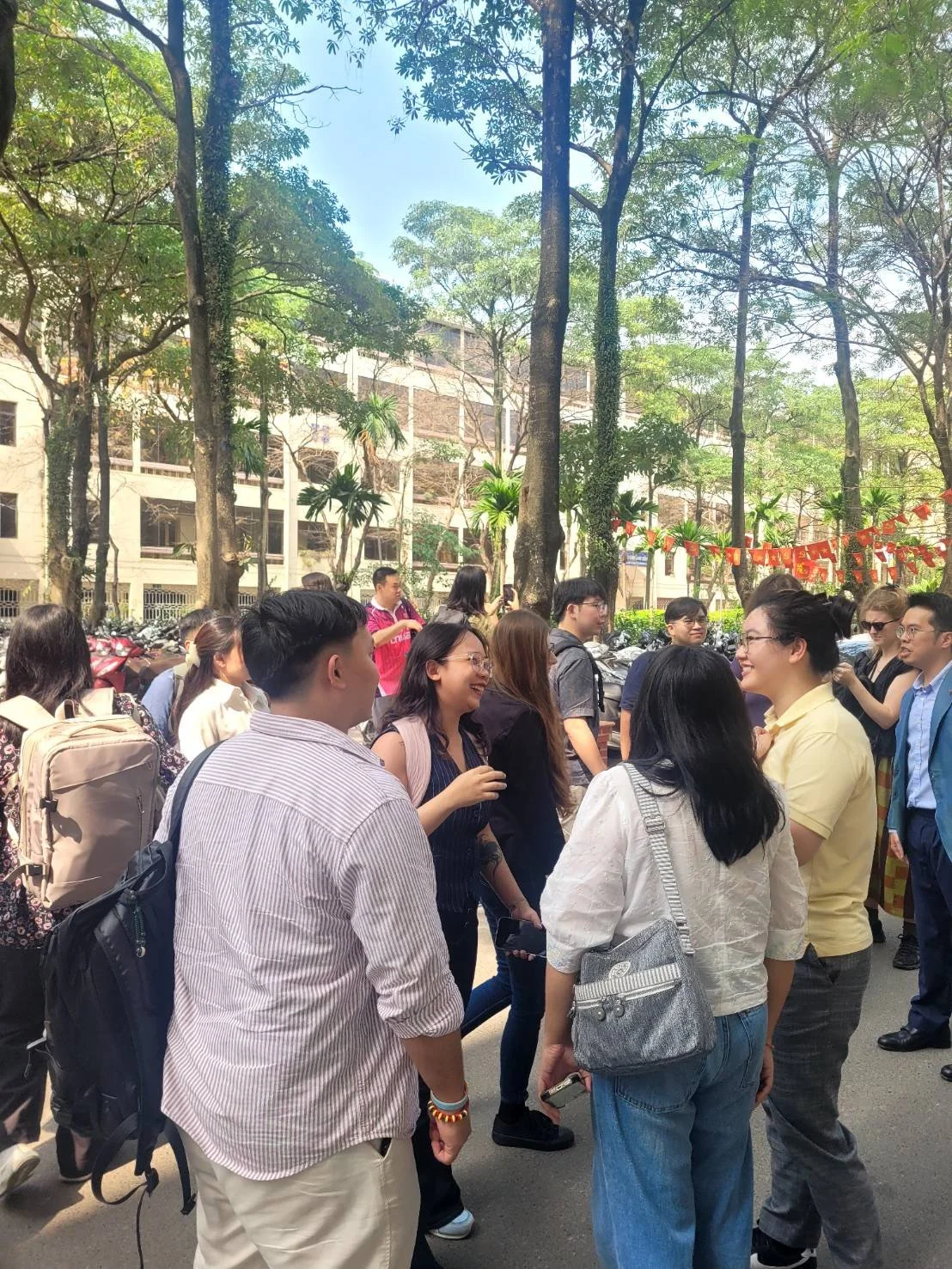
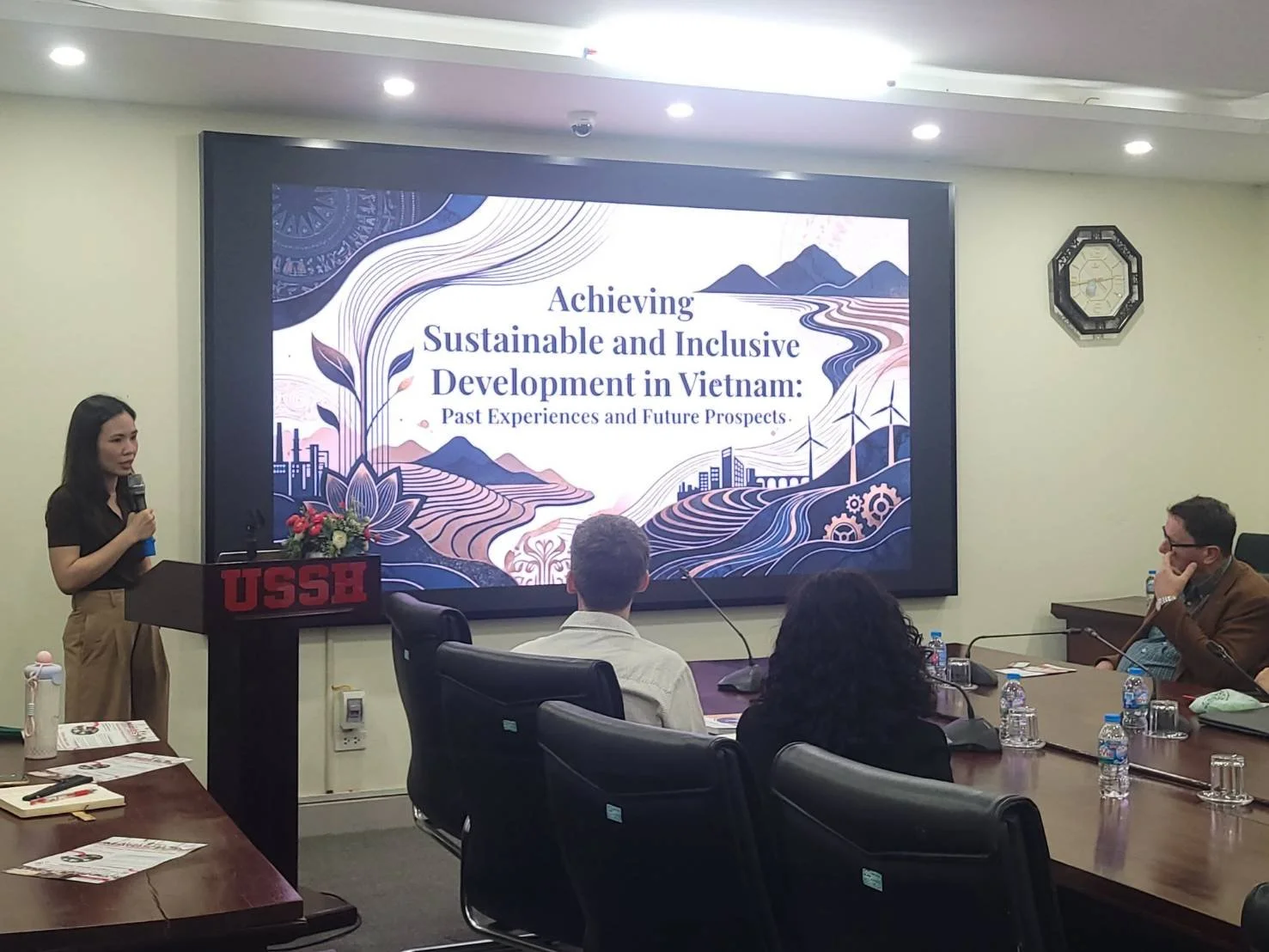
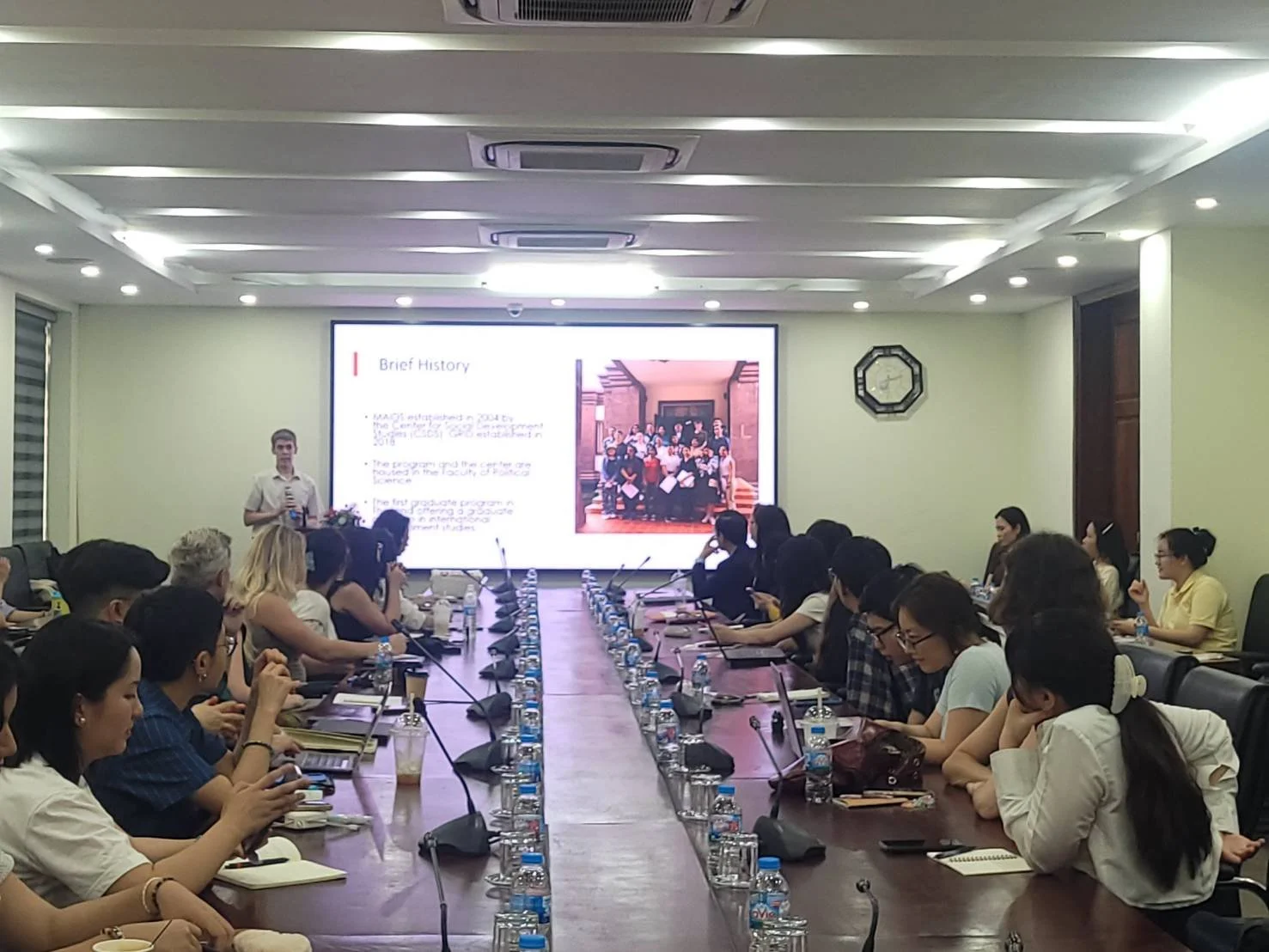
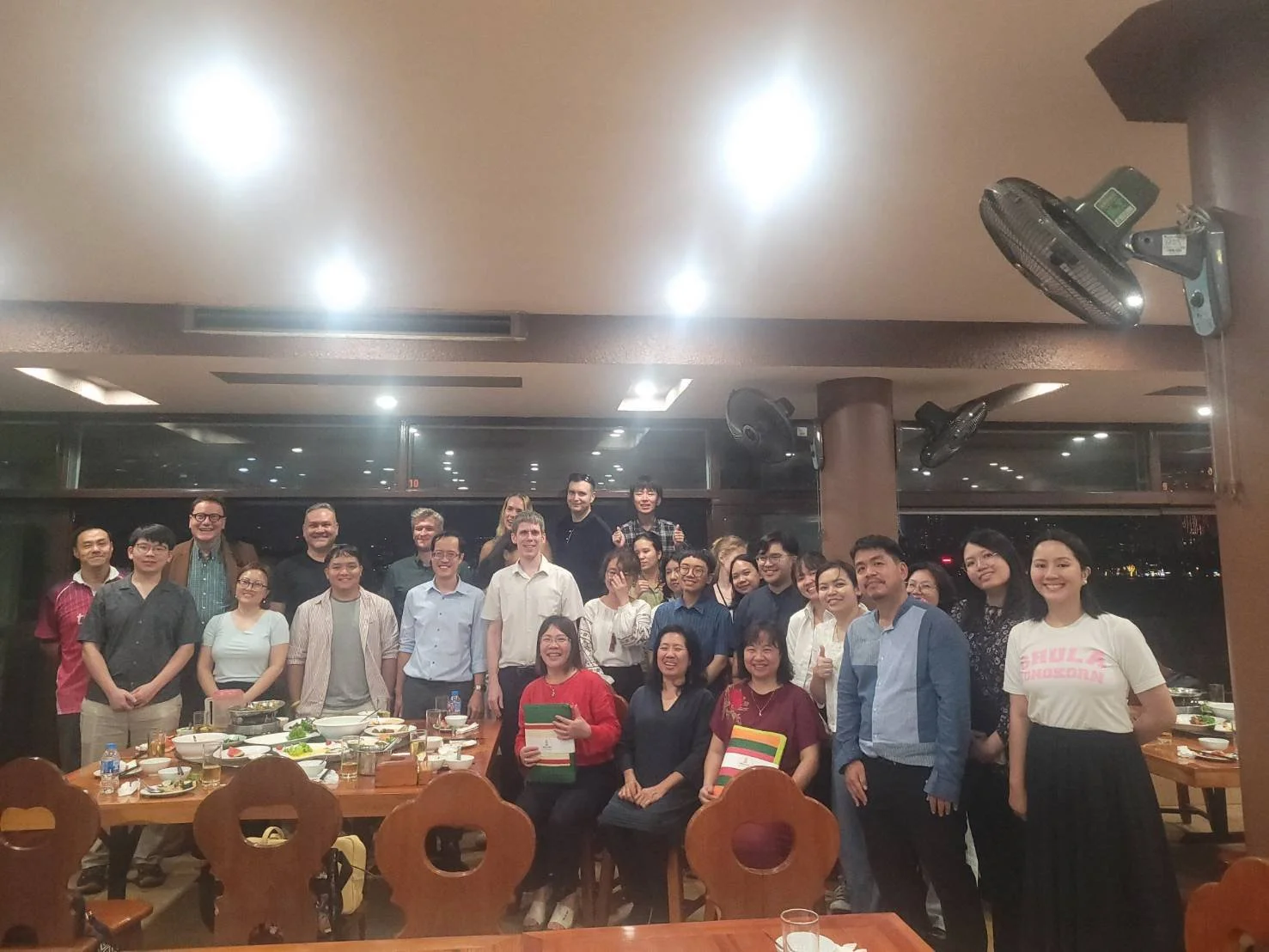
MAIDS-GRID students also visited the Vietnam National University – University of Social Sciences and Humanities (USSH), where they engaged in academic exchange sessions with professors and students. The discussions were lively and insightful, creating space to share perspectives on development challenges across the Mekong region. Through these conversations, students gained a deeper understanding of Vietnam’s development pathways and the growing role of young people in shaping the country’s development landscape. The day concluded with a dinner discussion in which students had the opportunity to engage with academics Nguyen Thi Dien and Nguyen Phuong Le from the Faculty of Social Sciences at Vietnam National University of Agriculture. In a more relaxed setting, the conversation flowed naturally, allowing students to explore topics around sustainable agriculture development in Vietnam.
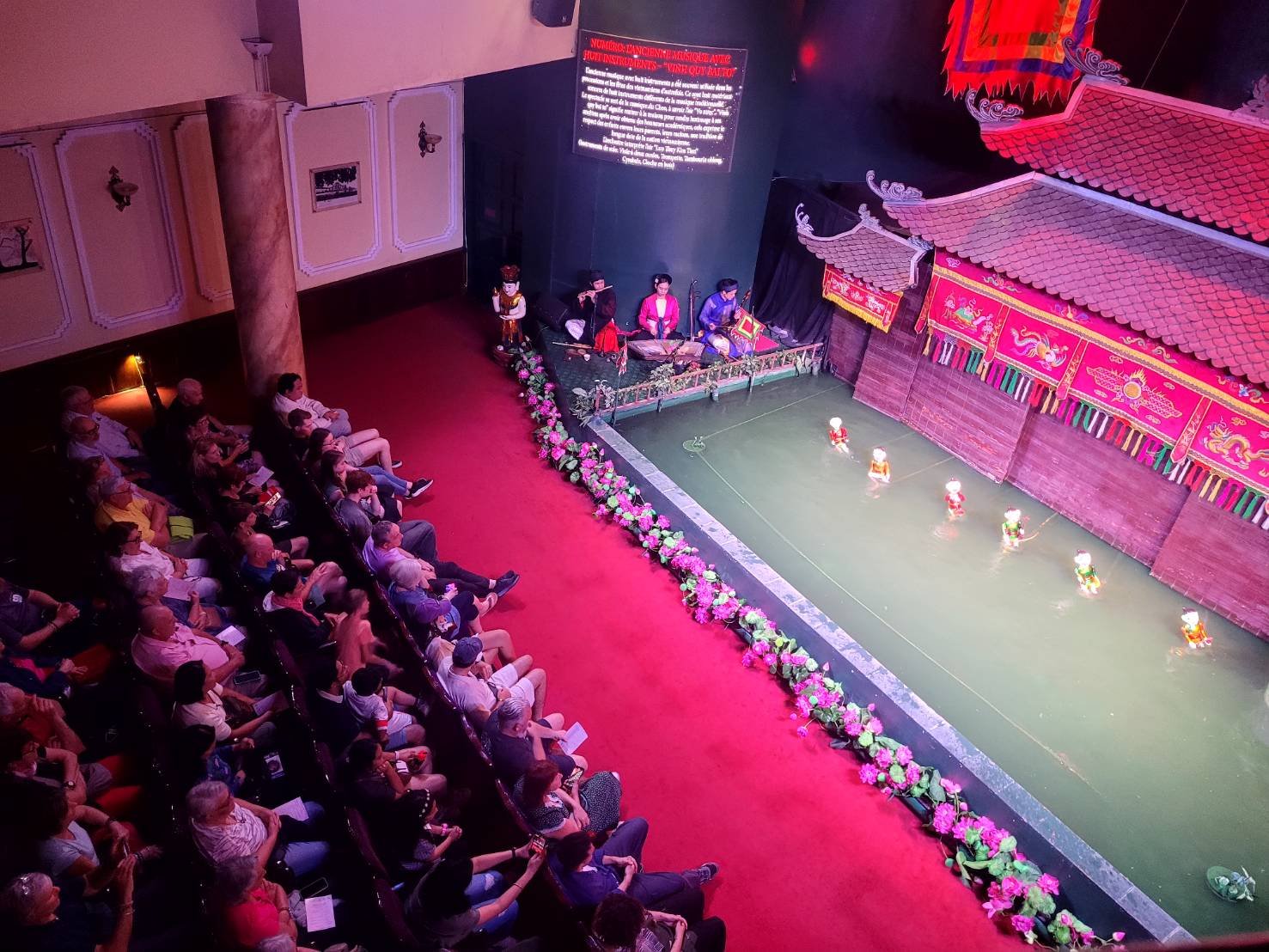
Exploring Hanoi: the Ho Chi Minh Museum and Ho Chi Minh's house in the Ba Đình Square complex, and the water puppet show
Hanoi is a city where the past and present coexist side by side. From the Ho Chi Minh complex to the lively Old Quarter, students could feel how history is still very much alive, even as the city continues to grow and modernize. Tourism is clearly shaping Hanoi, with new businesses, busy streets, and a growing international presence. At the same time, students experienced a traditional water puppet show, a unique cultural performance that reflects everyday life, local stories, and the deep connection between people and nature. These moments made it easier to understand how Hanoi is constantly balancing change and tradition, holding on to its cultural identity while moving forward with rapid development.
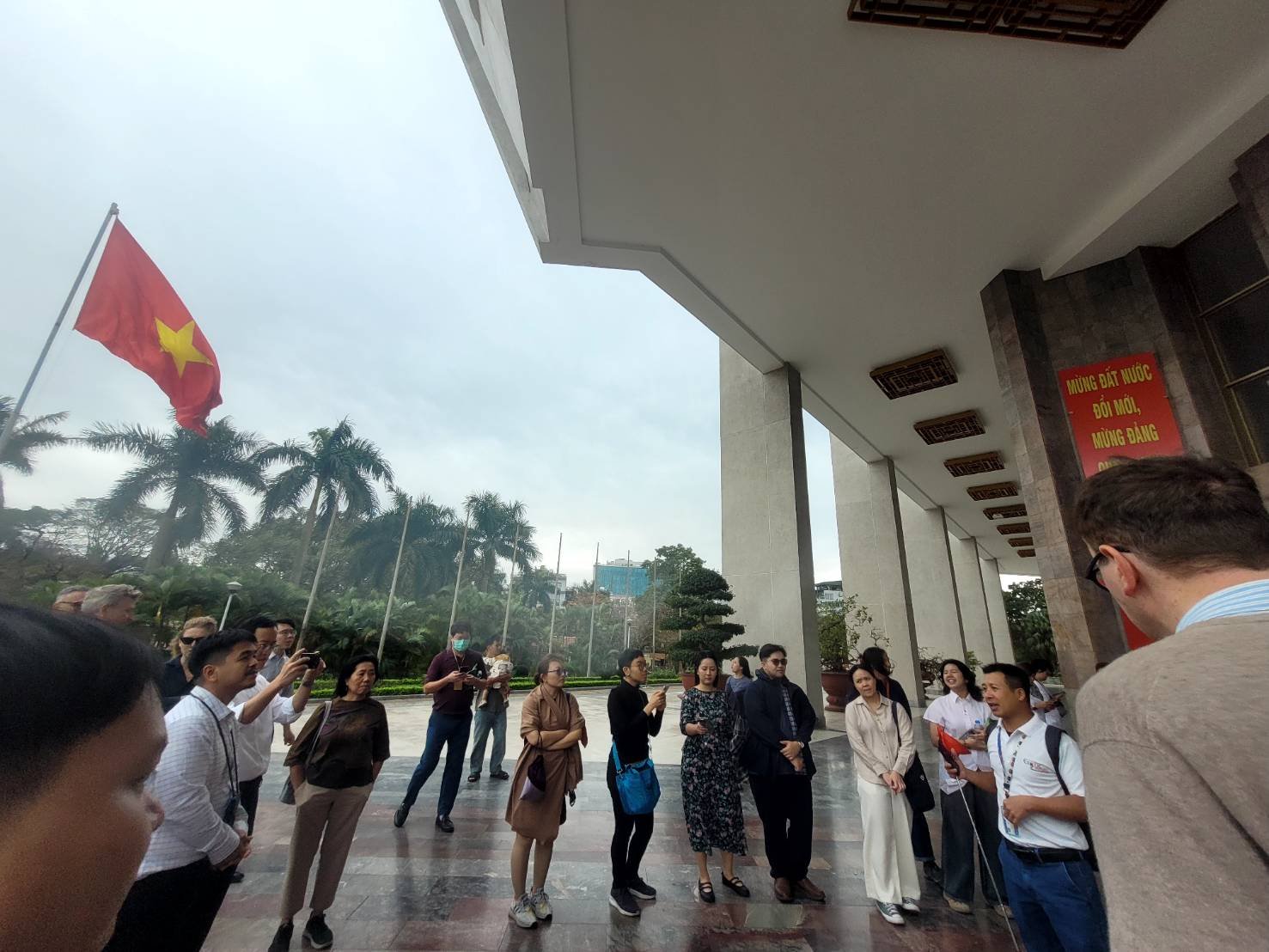
Photo: MAIDS-GRID students visited to the Ho Chi Minh Museum
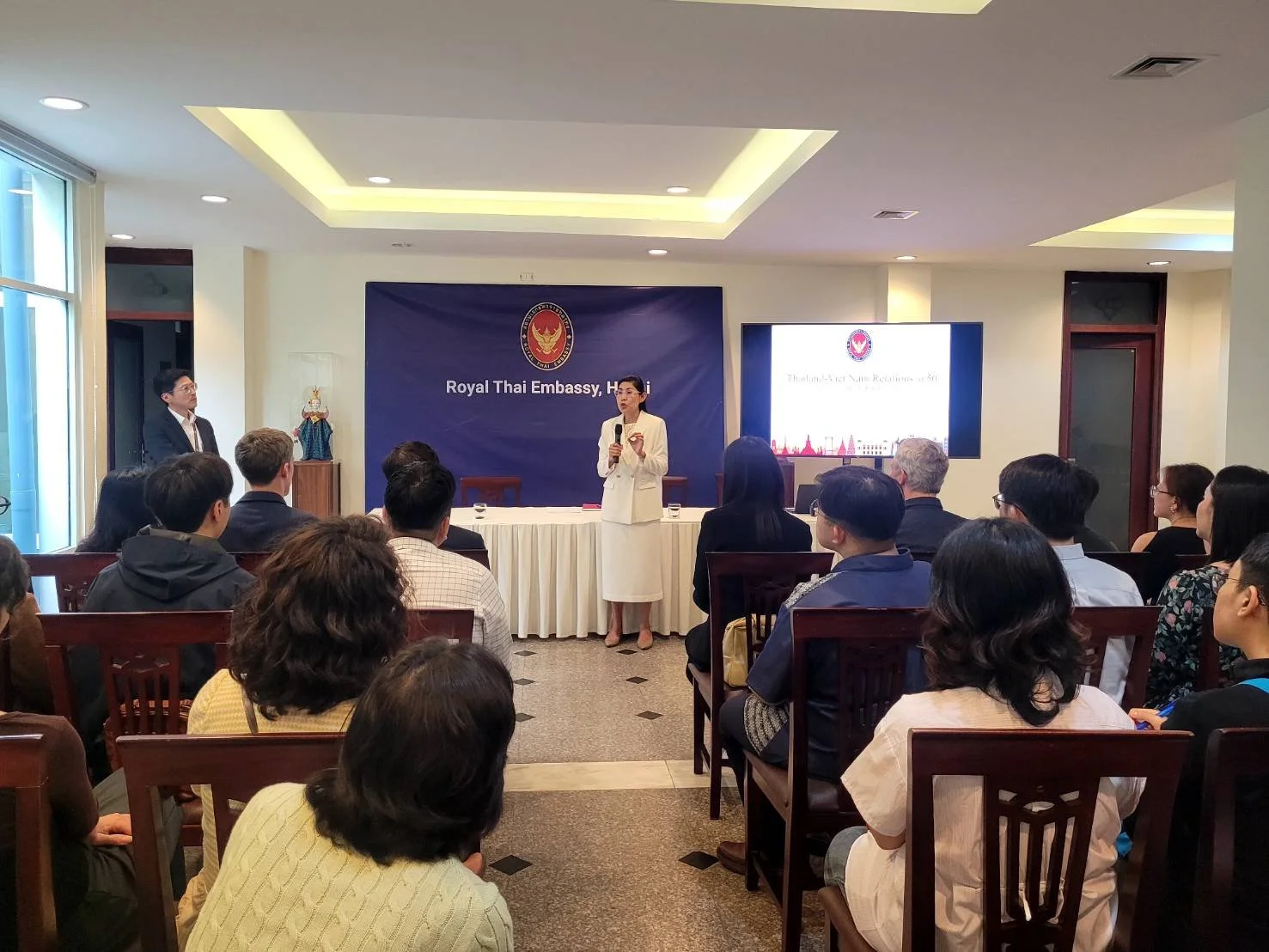
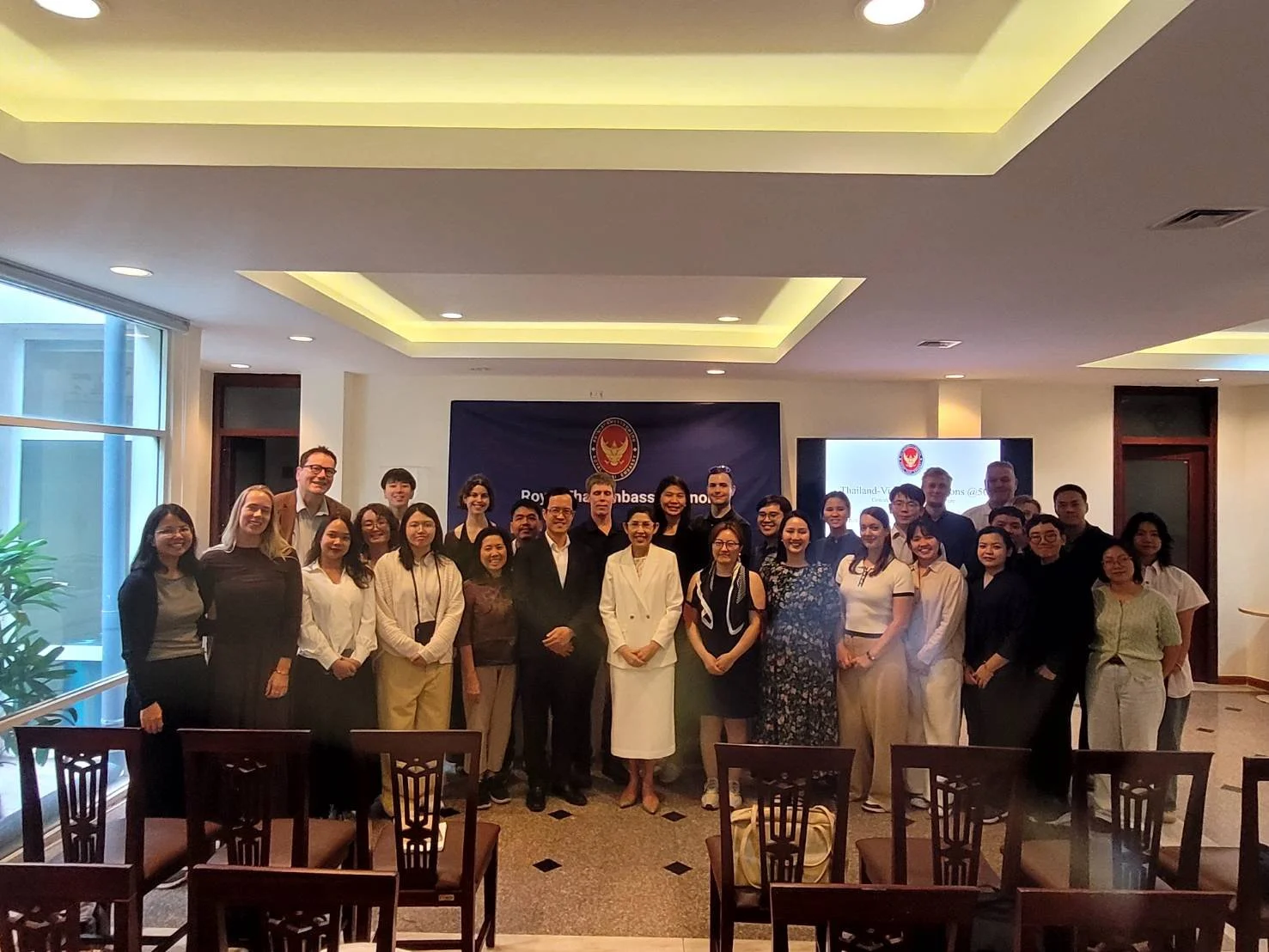
Visit the Royal Thai Embassy in Hanoi, Vietnam.
Moving from community-based development discussions at PanNature to academic exchanges at the university, students gradually expanded their perspective from local to regional levels. This learning journey continued with a visit to the Royal Thai Embassy in Hanoi, where students gained insight into how policy, dialogue, and diplomatic relations between Thailand and Vietnam work. It offered a clearer understanding of how development is not only driven at the community level but also through regional cooperation and ongoing dialogue between countries.
Journey to Sa Pa: Community and Sustainability
The next day, students took an overnight train to Sa Pa town and stayed at a homestay in Ta Phin Village to engage with the Red Dao community. Through the hosted activities such as learning handicrafts, exploring local livelihoods, learning about natural herbs, and walking through the forest, students gained a closer understanding of how community-based tourism works in everyday life.
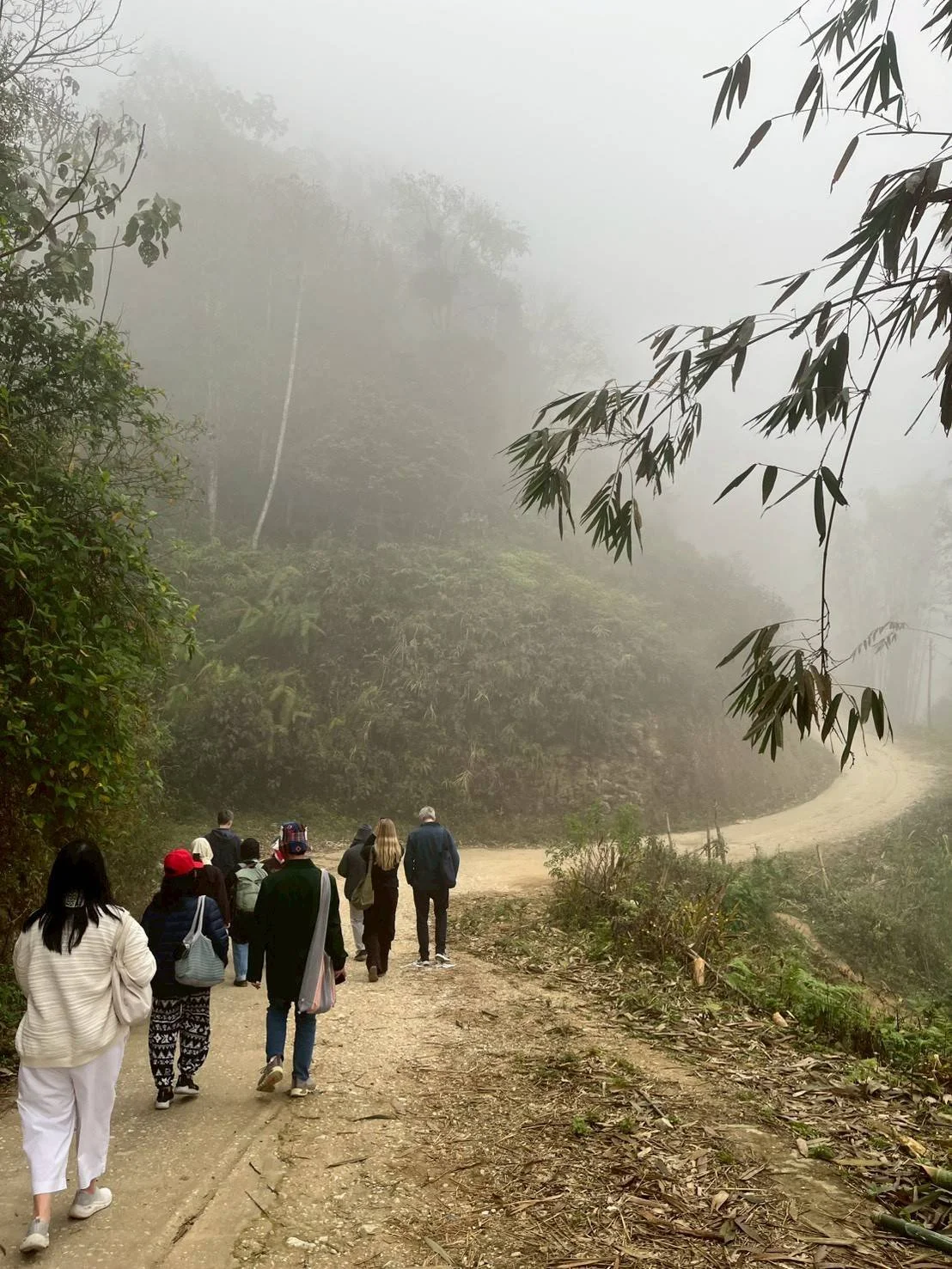
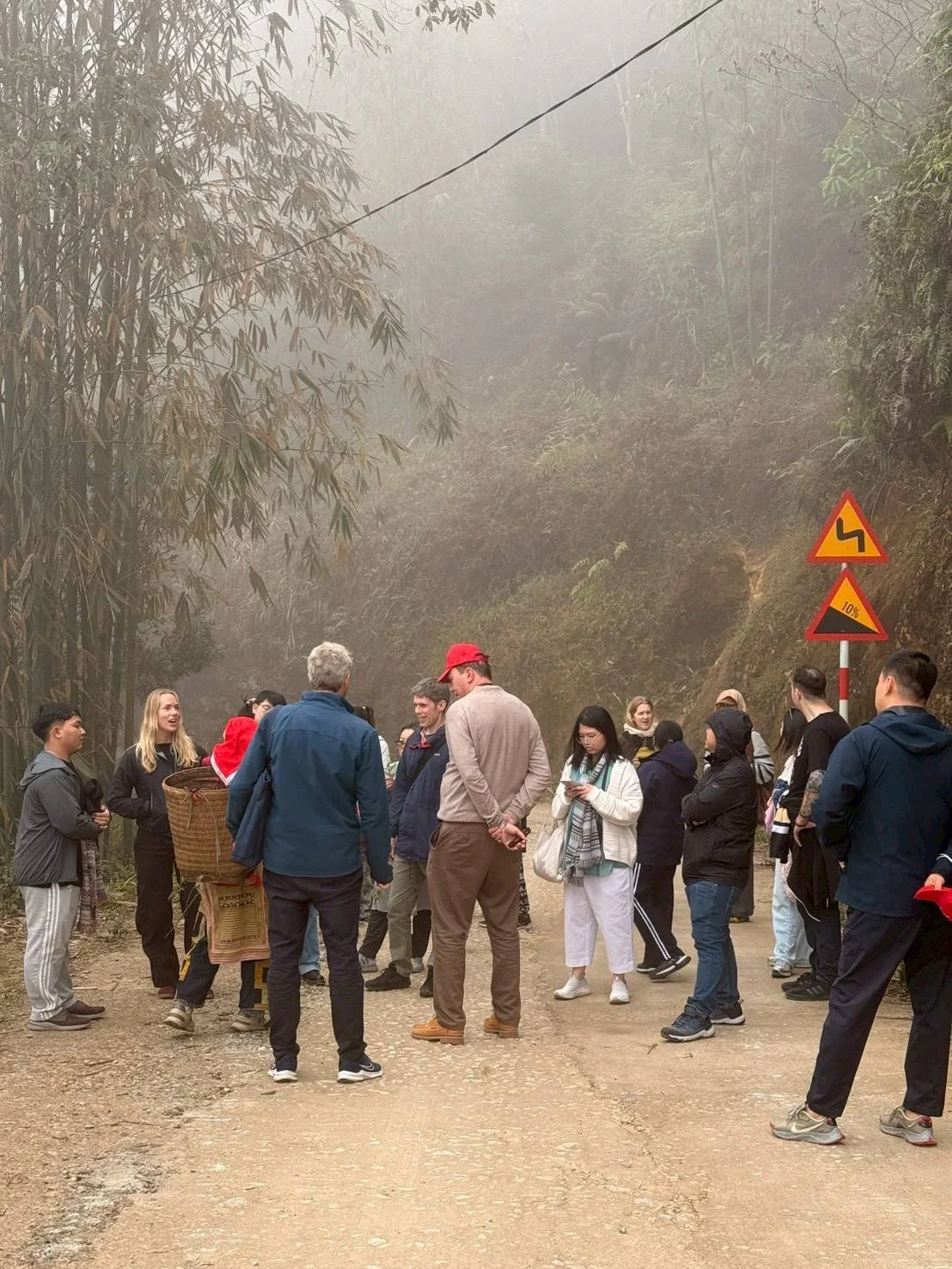
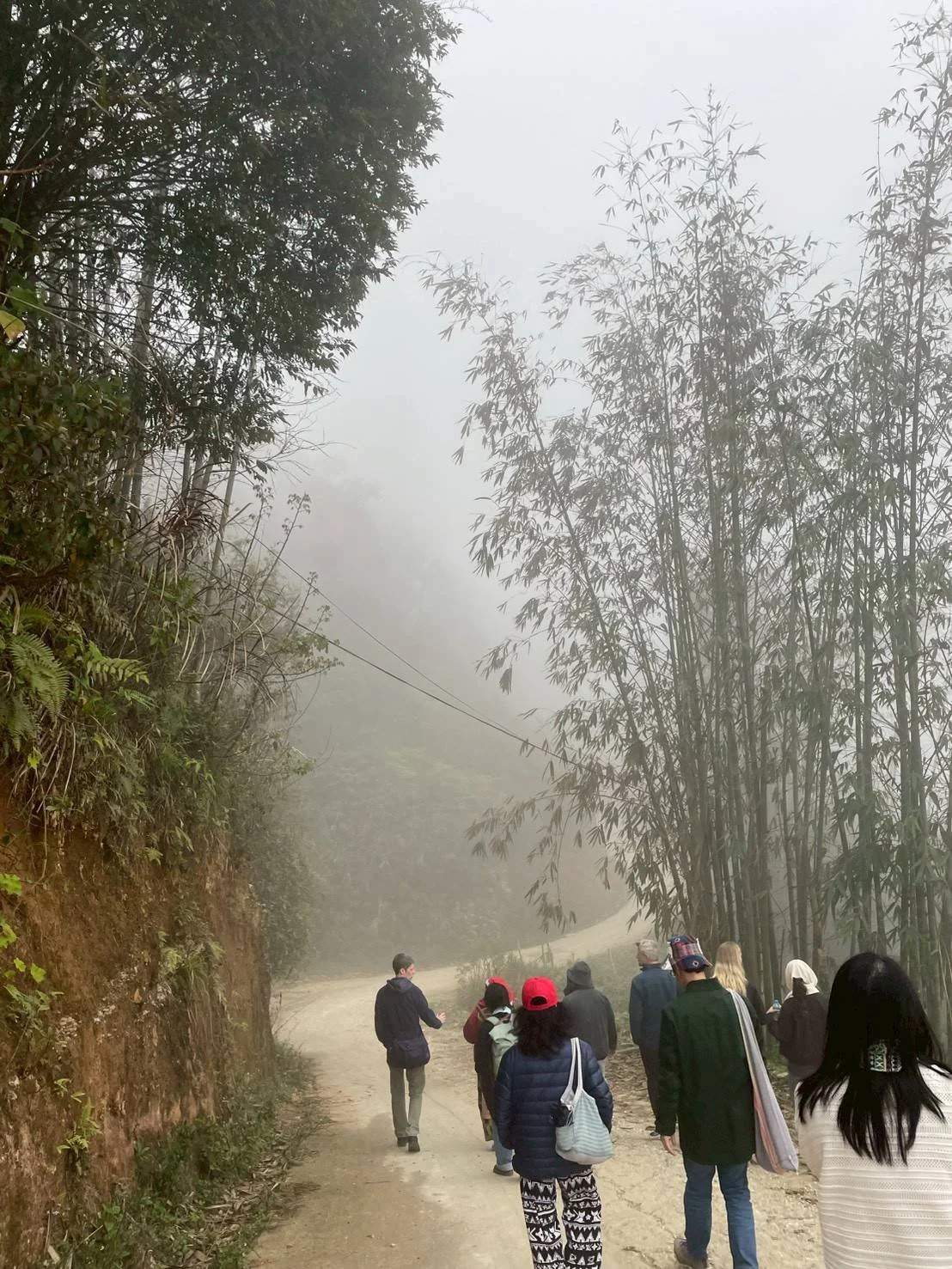
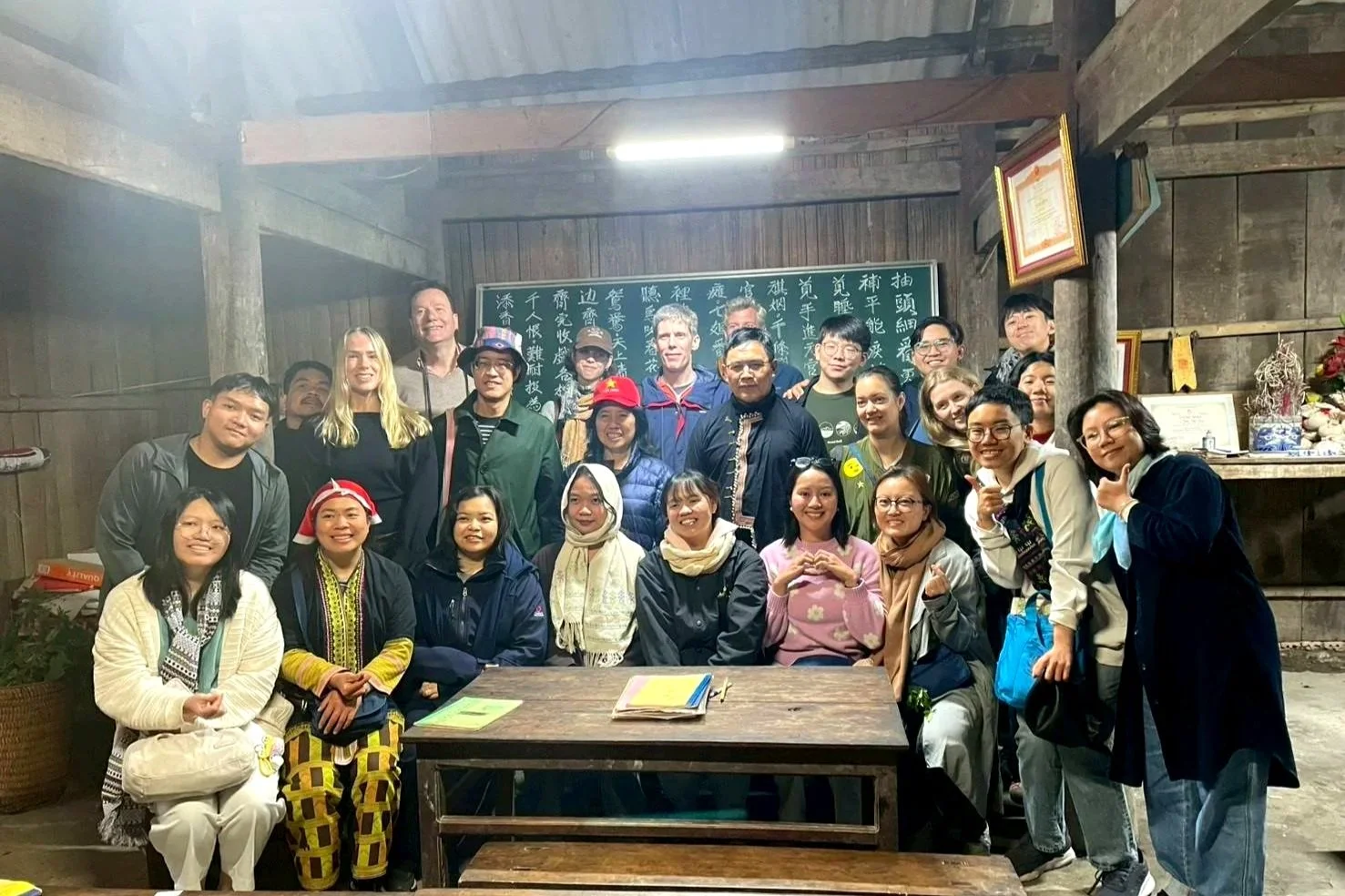
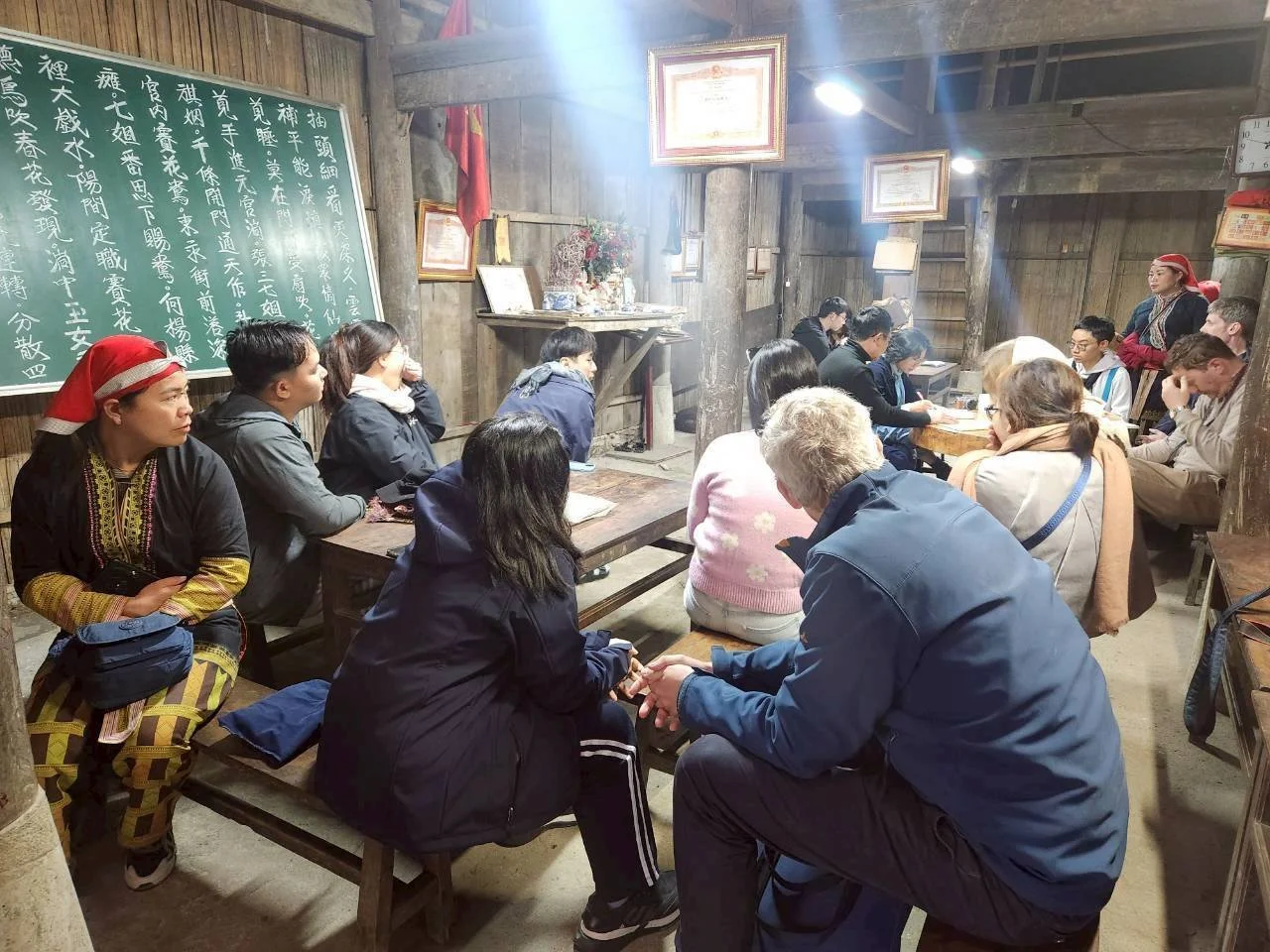
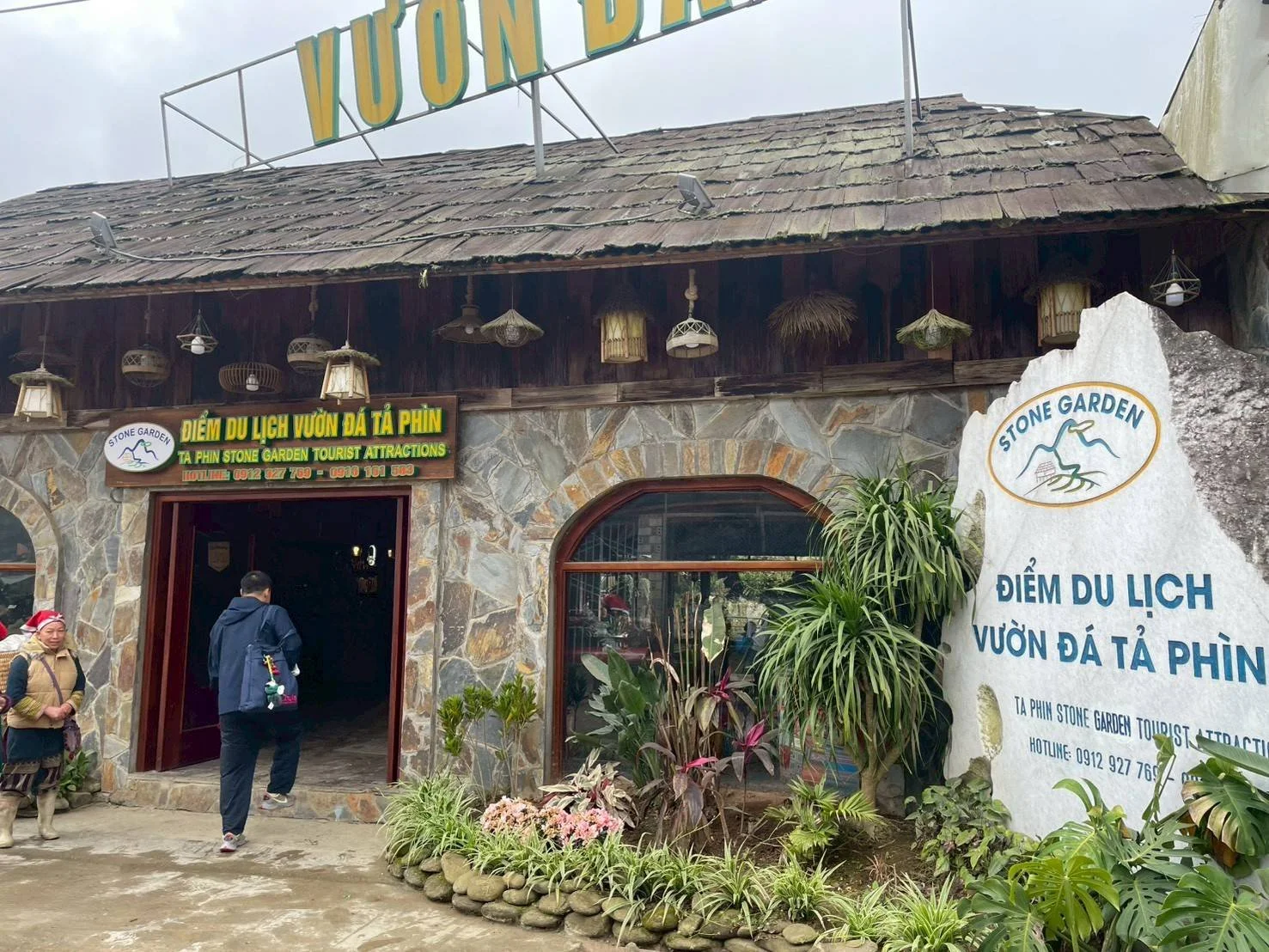
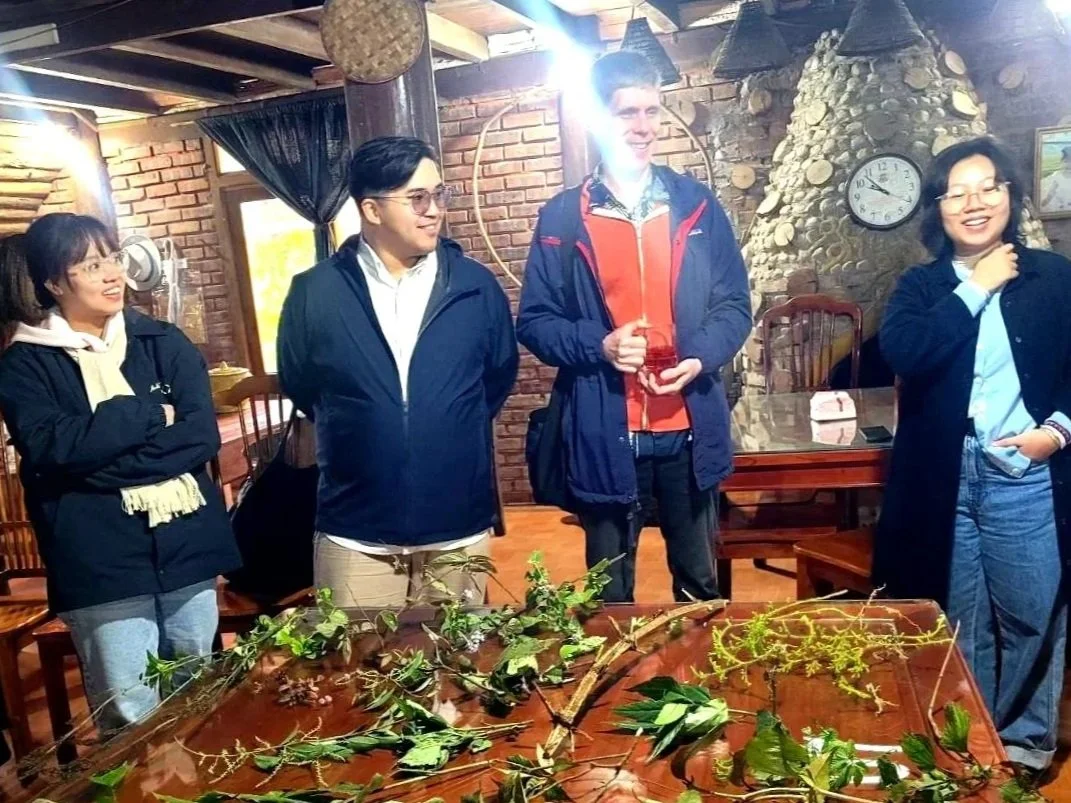
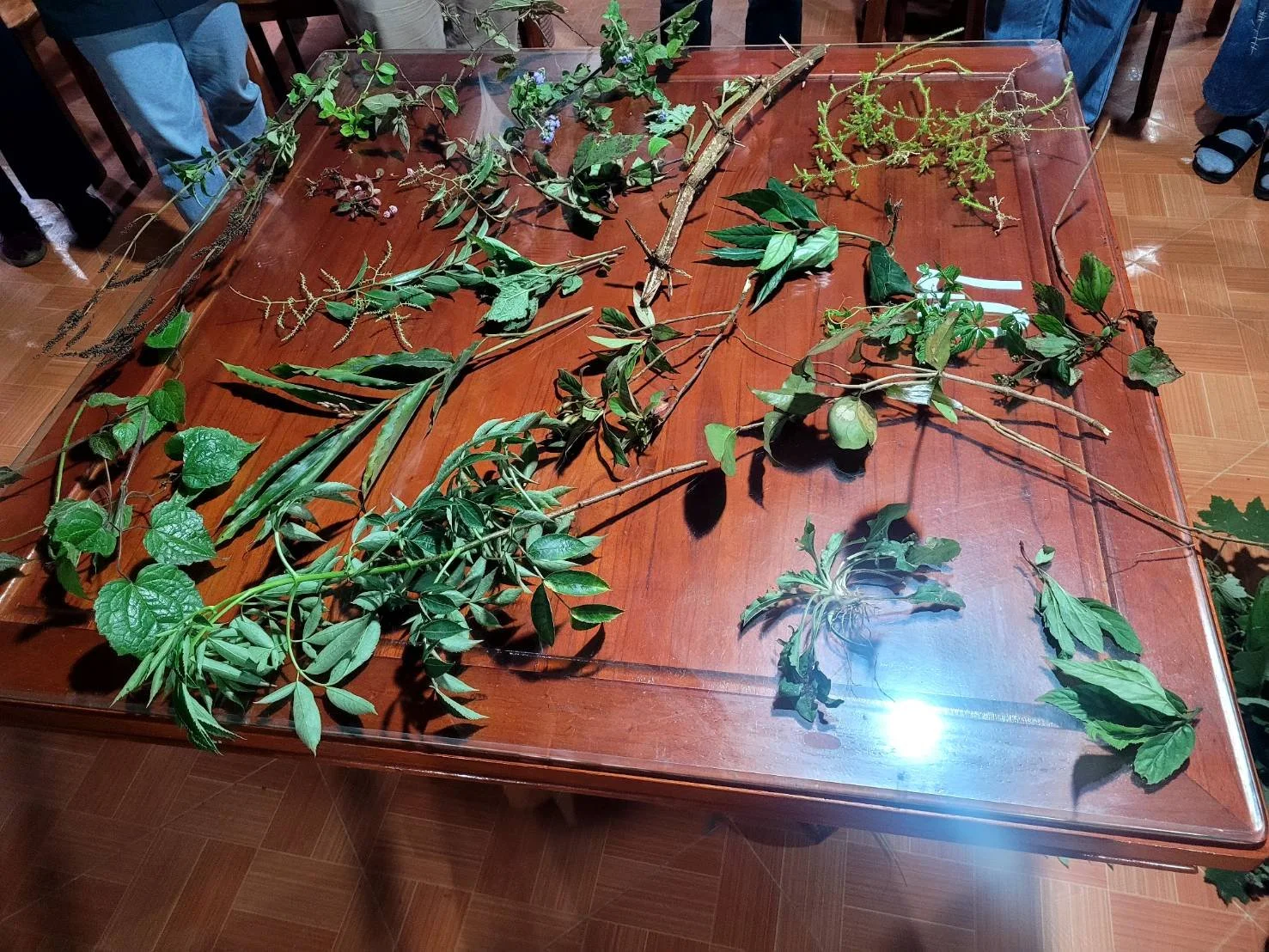
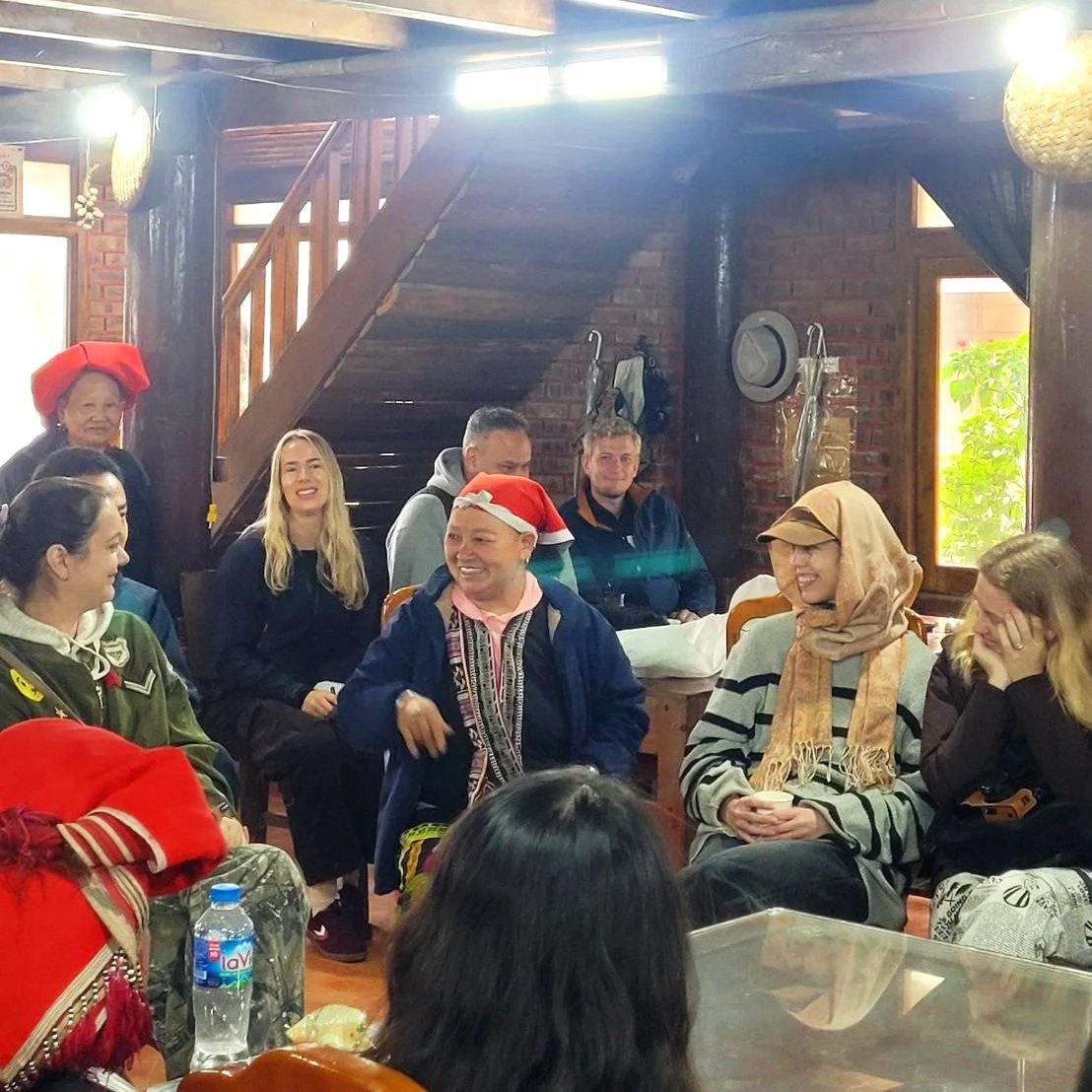
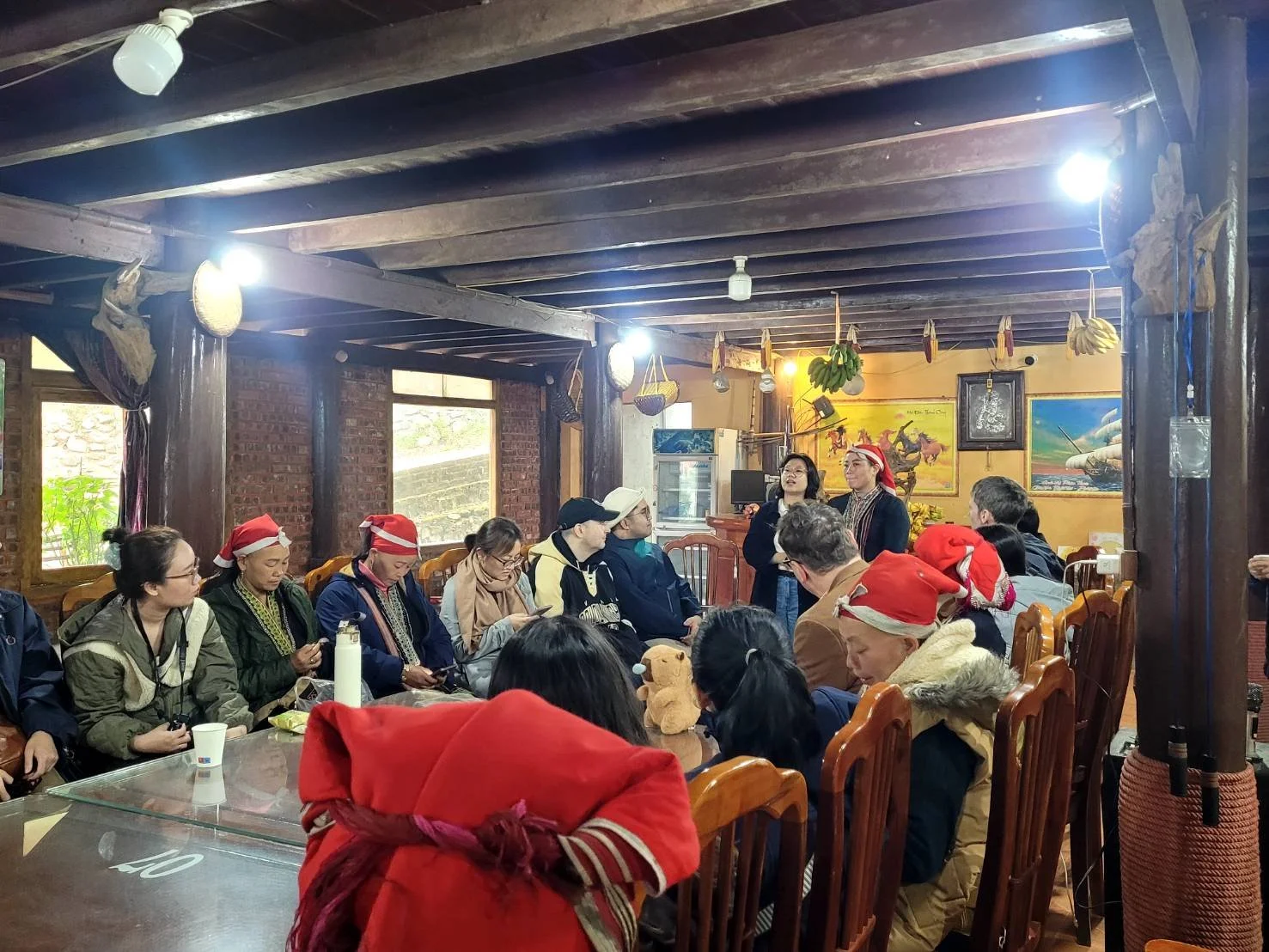
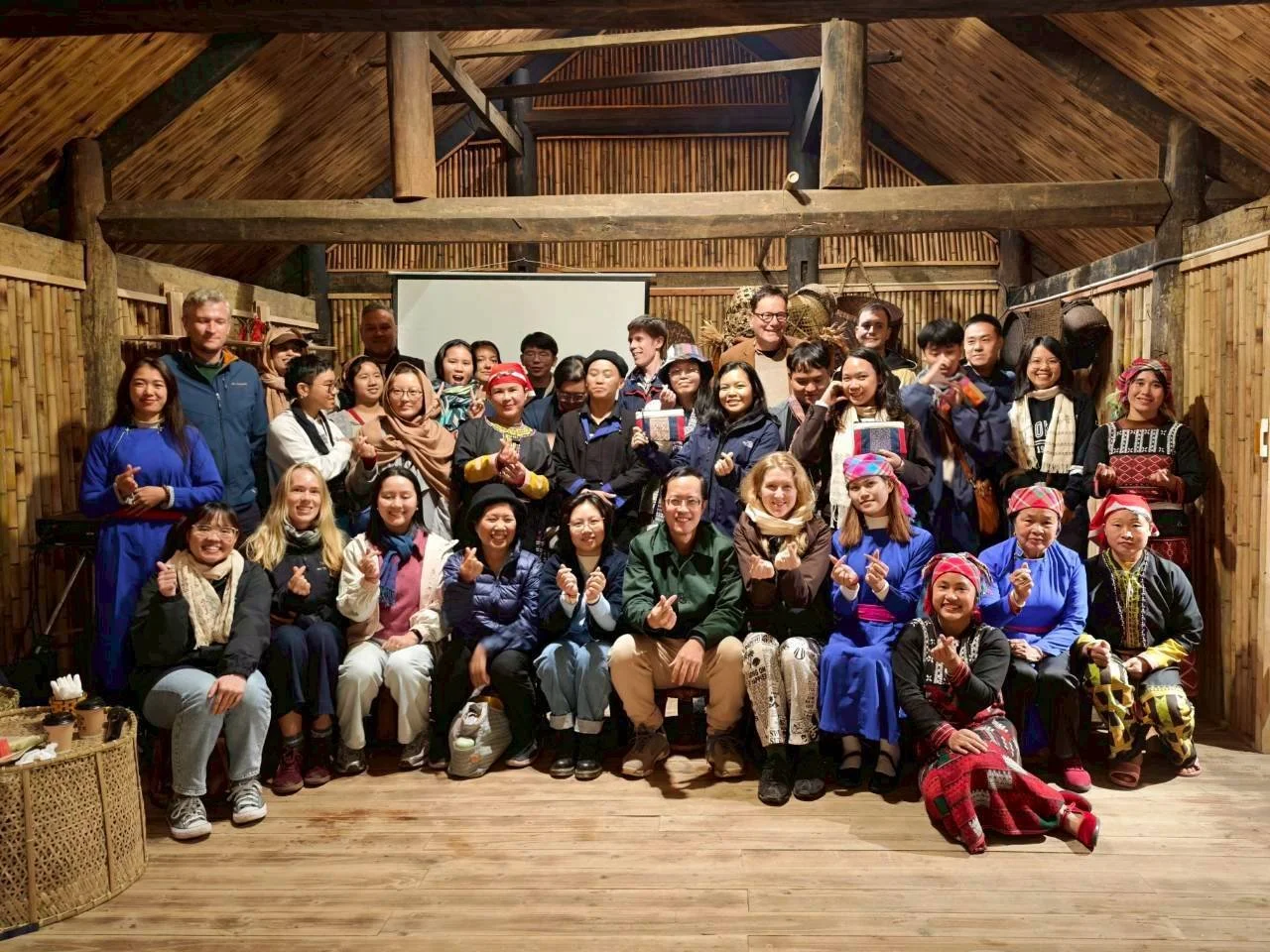
In Sa Pa town, students explored public spaces, cultural sites, the ethnic museum, and tourism areas, giving them a chance to see how development is actually lived and experienced on the ground. Being in Sa Pa contrasted with Hanoi feel very real. While tourism creates income and new opportunities, it also brings challenges around cultural preservation, environmental sustainability, and fair development. Experiencing this firsthand helped students see how local communities are actively navigating these changes while trying to maintain their identity and way of life.
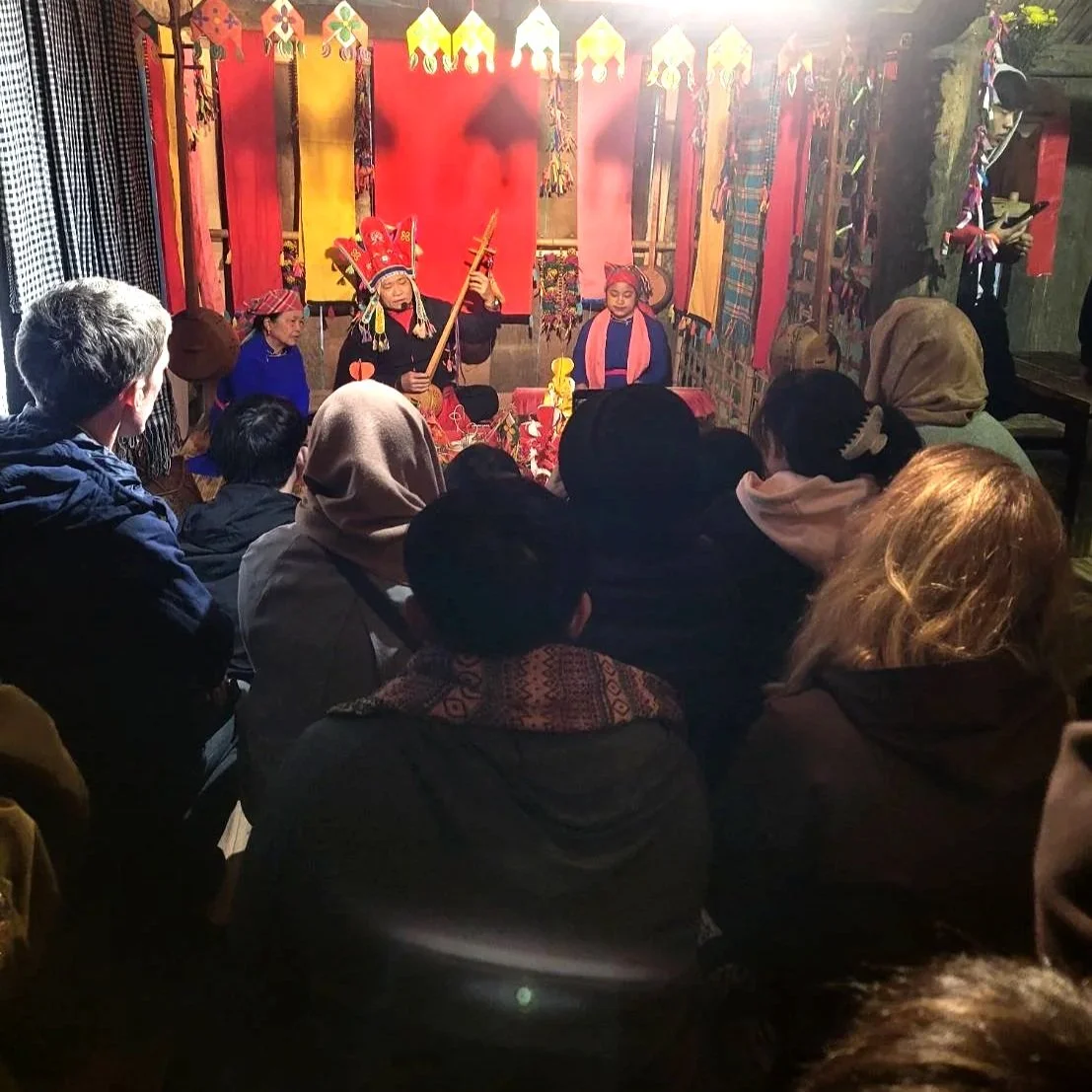
Sa Pa is home to diverse ethnic communities, including the Hmong, Red Dao, Tay, and Giay, each with their own traditions, livelihoods, and cultural practices that have been passed down over generations. In recent years, ethnic cultural identities have become closely linked to tourism development, especially through community-based tourism such as homestays, handicrafts, and village experiences. The cultural session at the Sapa Cultural Space provided meaningful discussion on sustainable tourism, cultural preservation and collaboration with local governance to help connect with bigger ideas about development in practice.
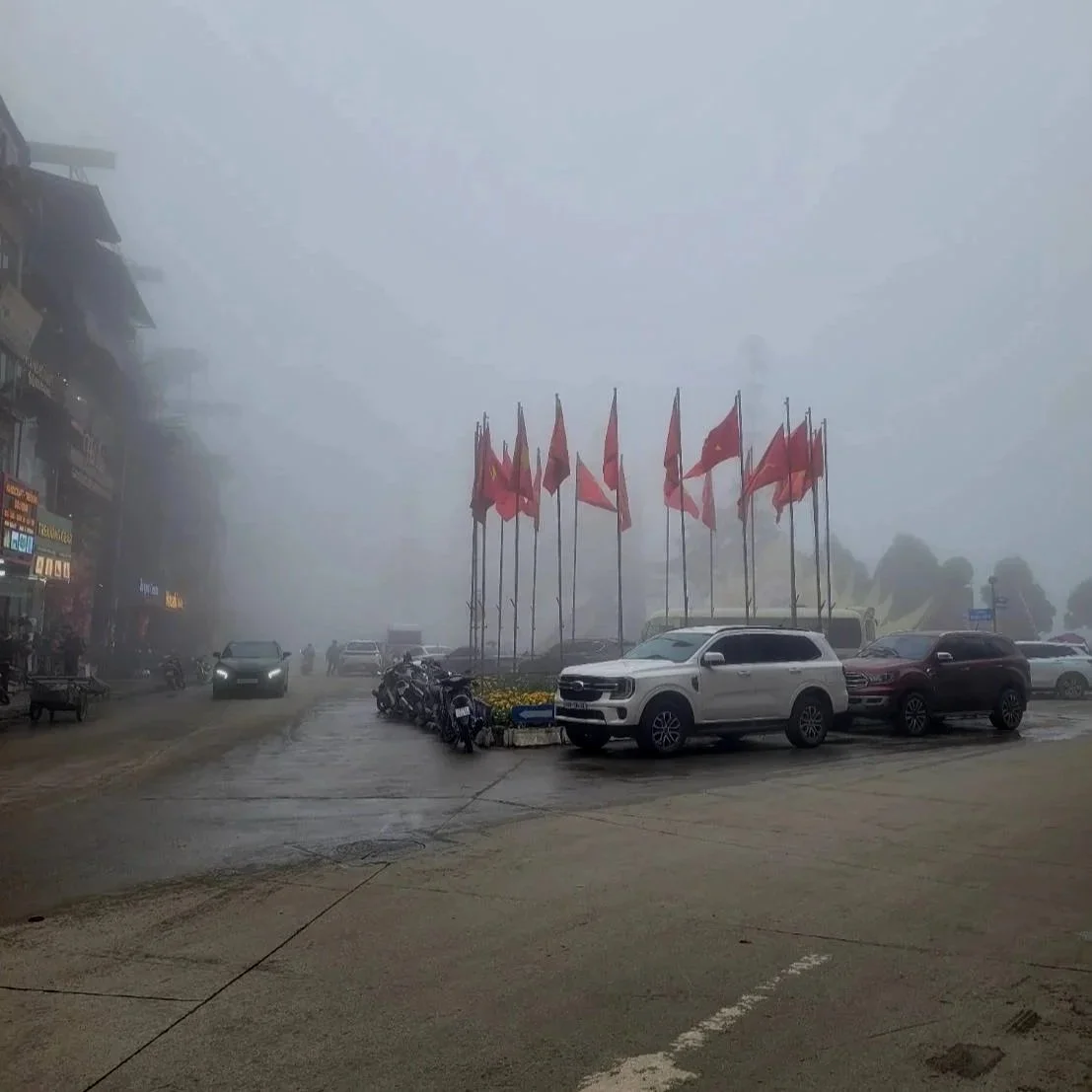
Photo: Sa Pa Town, Hanoi, Vietnam
The rapid growth of tourism in Sa Pa made both the income opportunities for locals and the challenges very visible as well. While tourism brings new possibilities, it also raises important questions about maintaining cultural identity and protecting the environment. These experiences encouraged students to reflect on what inclusive and sustainable developments look like in the real world.
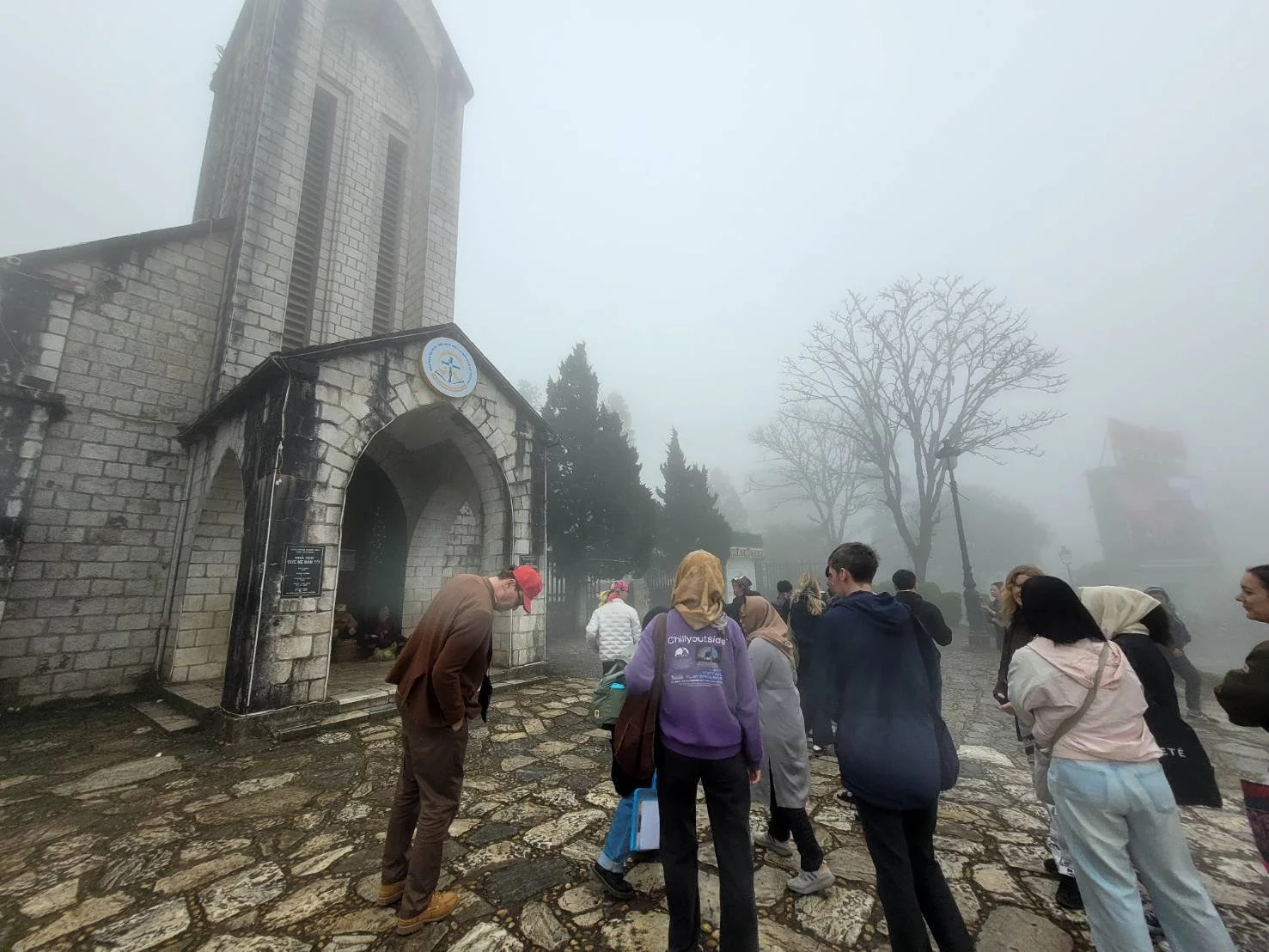
Photo: SA PA Stone Church
The field trip highlighted the strength of the MAIDS-GRID program in offering practical experiences to engage with different stakeholders. This year, Vietnam provided a learning opportunity for students to engage with rapid development in the country, from economic development to environmental governance to tourism and community resilience. These experiences will provide students the opportunity to think deeply about the kind of development they want to contribute to in the future that is not only economic growth but also long-term environmental sustainability.